US to zero out tariffs on UK pharma under trade deal / Photo: Jonathan NACKSTRAND - AFP

 France's Macron, Canada's Carney announce closer ties
 AI 'warning shots' focus Beijing on national security risks
 Philippine tribe in limbo over US-led tech hub
 Saudi-led coalition says Houthis fired ballistic missile at Riyadh
 Cuba works to restore power after another blackout
 Brigitte Bardot widower slams sale of star's belongings

 Indonesia accepts Malaysia's help to tackle wildfires

 Nvidia, OpenAI CEOs to attend Xi dinner at White House

 Cuba hit with seventh major blackout of the year

 Nigeria miners struggled to breathe in cell before 37 died: survivors

 Warren Buffett steps down as Berkshire Hathaway chairman

 Isolated Syrian-Druze city blames Damascus for shortages

 Kerry James Marshall: American 'blackness' painter celebrated in Europe

 Infantino 'must go', says German FA vice-president

 Japan's busiest rail station tests robot bins

 Backpackers fret over Australian visa crackdown

 Bank of Japan hikes rates to 31-year high to battle inflation

 AI doomsday warnings unlikely to slow IPOs but questions linger

 In Brazil's Amazon, the hunt for oil fuels hopes and fears

 Baby orangutans in India expose 'frightening' scale of trafficking

 Oversight Board blasts 'inadequate' Meta safeguards for AI deepfakes

 Harry makes first public appearance since return to UK

 Princess Diana's brother makes new explosive claims against Charles

 Trump admin overhauls key protection for endangered species

 Mbappe draws political fire over Ceuta t-shirt controversy

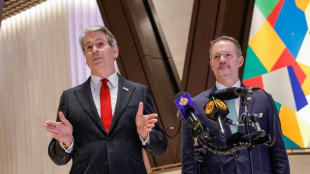
The United States on Monday exempted British pharmaceuticals from import tariffs under a unique deal which sees the UK increase spending on American drugs by 25 percent.
The accord aims to "address long-standing imbalances in US-UK pharmaceutical trade," ending what US trade ambassador Jamieson Greer called an arrangement where "American patients have been forced to subsidise prescription drugs and biologics in other developed countries."
Under the deal struck between the administrations of US President Donald Trump and British Prime Minister Keir Starmer, Britain's publicly-funded National Health Service (NHS) will increase its prices for new US treatments by 25 percent.
The agreement means Britain will be exempted from hefty US tariffs imposed on pharma imports that entered force on October 1. It is the only country to reach such a deal.
The lofty price of medications has been a major political issue in the United States for years, with a Rand Corporation study showing Americans paid 2.5 times as much for pharmaceuticals as in France.
Prior to Monday's announcement, the Trump administration had announced tariffs of 100 percent on branded pharmaceuticals.
At the same time, the White House delayed the tariffs for three years with Pfizer and British group AstraZeneca after both agreed to invest in US manufacturing capacity.
British Science and Technology Secretary Liz Kendall said the latest deal will "ensure UK patients get the cutting-edge medicines they need sooner," while also enabling "life sciences companies to continue to invest and innovate right here in the UK."
- Deals elsewhere -
The Trump administration said it "is reviewing the pharmaceutical pricing practices of many other US trading partners and hopes that they will follow suit with constructive negotiations".
As it stands, the European Union and Switzerland face pharma tariffs totalling 15 percent.
AstraZeneca in July announced plans to invest $50 billion by 2030 on boosting its US manufacturing and research operations.
Around the same time, British rival GSK revealed it planned to invest $30 billion in the United States over the next five years.
The UK government on Monday said it will "invest around 25 percent more in innovative, safe, and effective treatments -- the first major increase in over two decades."
It meant the NHS "will be able to approve medicines that deliver significant health improvements but might have previously been declined purely on cost-effectiveness grounds."
AstraZeneca and Merck recently axed plans for sizeable infrastructure investment in Britain, with the US pharma group citing UK drugs prices as a major reason for its U-turn.
Critics argue high taxes and a lack of British government subsidies and investment are hindering foreign investment across various sectors.
C.Smith--CPN