Nuts and beer: booze-free bar offers Saudis a pub vibe / Photo: Fayez Nureldine - AFP

 Asia stocks rise on AI, US-China trade talks optimism
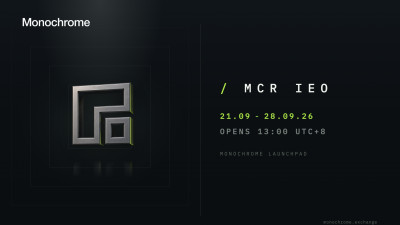 Multi-Asset Trading Venue Monochrome Exchange Announces IEO of Its Native Token, $MCR
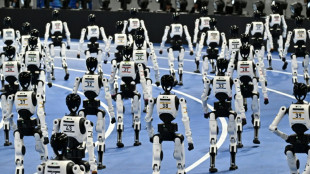
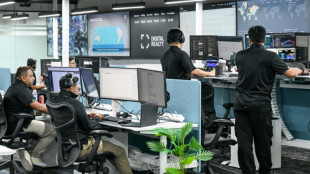 Data centre command hub keeps AI up and running
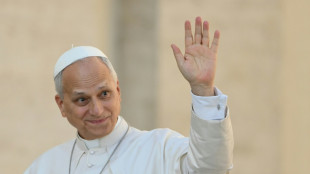 Leo XIV, first US pope transcends his restrained style
 France's debt climbs to highest since 1978: ministry
 Thousands protest inaction over climate crisis in Switzerland
 UK actor Naomi Watts honoured at Spain film festival
 Trump signs bill authorizing sweeping Russia sanctions
 Anthropic picks Accenture for in-house AI safety evaluation
 Hushing and hedging: US companies retreat on climate

 Crisis-wracked Volkswagen warns of 10-bn-euro hit to profits

 Shakira to cap off world tour with Madrid 12-gig run

 Isolated Syrian-Druze city shortages

 UNESCO can be 'moderator' in AI debate: chief to AFP

 Russia seizes assets of Nestle, French firms

 Anthropic says AI systems moving towards building themselves

 Asian stocks boosted by falling oil, yen weakens after BoJ rate hike

 Afghan medical students in Pakistan hope court stops college expulsions

 Australia to detain tourists who overstay visa, minister says

 Asian stocks track Wall St rally as oil prices drop

 Prized Mexican relic returns on loan, two centuries on

 'In our lane': Fed's Warsh defies Trump but still fighting for credibility

 Trump admin makes major cut to endangered species protections

 GM delivers first components for US interceptor missiles

 Travis Scott and Keith Richards feature on GTA VI soundtrack

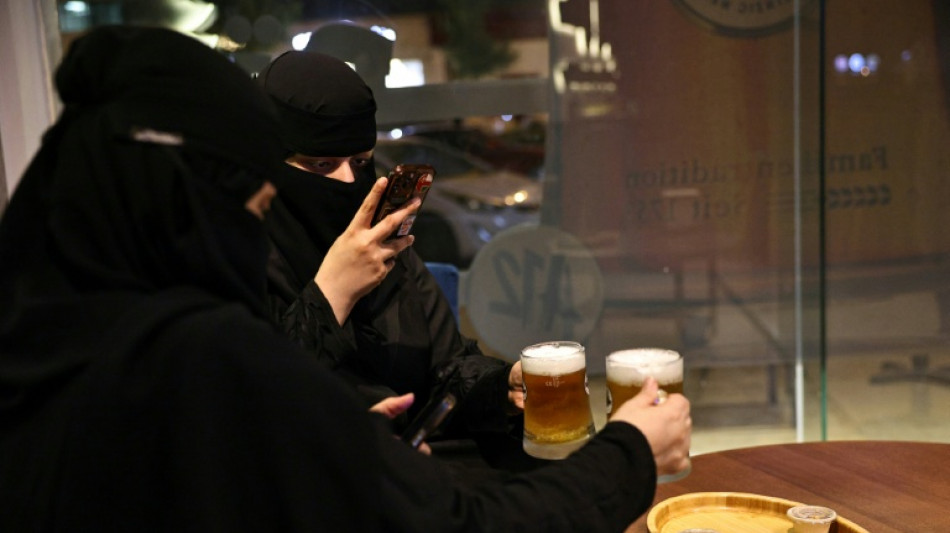
Draft beer, peanuts and big-screen sports... the scene is reminiscent of pubs worldwide, but in Saudi Arabia's capital, customers in white robes or black veils sip alcohol-free pints with no expectation of a hangover.
"The idea is to offer customers an original experience they can share on social media," Abdallah Islam, manager of the A12 cafe in Riyadh, told AFP.
At the cafe, Saudi women lift their black face veils to sip ice-cold beer.
"Is there alcohol in this?" one customer asked, nervously eyeing his pint.
The incongruous scene, with veiled women clinking glasses, signals the changes under way and in the conservative kingdom, home to Islam's holiest sites, as deep-seated taboos are gently prodded.
The A12 cafe, on one of the busiest avenues in the capital, displays a large picture of a foaming pint on its window.
Its managers say the cafe has been packed since April when it began serving draft beer -- a German Warsteiner with 0.0 percent alcohol, poured into large mugs and served with peanuts, pub-style.
Around the tables, young men in white thobes -- the traditional Saudi garment -- film themselves sipping their drinks, while a waiter pulls pints behind a shiny black bar.
Some watch football on a television screen while enjoying a cold brew.
Since the rise to power of Saudi crown prince and de facto ruler Mohammed bin Salman, cinemas have reopened, women are allowed to drive and foreign tourists are being welcomed.
Alcohol, however, remains a red line.
Booze has been banned in Saudi Arabia since 1952, shortly after the son of then-King Abdulaziz got drunk and, in a rage, shot dead a British diplomat.
- Beer fear -
For years, some residents of the city have been known to make their own bootleg wine. Others turn to the black market, where a bottle of whisky can fetch several hundred dollars.
In January 2024, the country opened its first liquor store in Riyadh, catering exclusively to non-Muslim diplomats.
But alcohol will not be served during the 2034 World Cup, the Saudi ambassador in London told a British broadcaster this year.
"The kingdom must tread carefully with any potential legalisation of alcohol, as it would contradict its image as a credible leader of the Islamic world," Sebastian Sons of the German think tank CARPO told AFP.
Saudi Arabia and Kuwait are the only Gulf countries that still ban alcohol.
Back at the A12 cafe, curious Saudis are coming to see what the fuss is about.
"The look of it is scary -- it looks like alcohol," said Sheikha, 18, who asked to be identified by her first name only.
"The word 'beer' alone is scary," she laughed. "But I got over my fear, and honestly it's refreshing."
The young woman, accompanied by a friend, decided to try the experience after seeing videos on TikTok.
For the cafe's manager, the point is to be able to offer the bar experience "but within the limits of local values".
It is a delicate balance in a youthful country where many are keen to experiment -- but without crossing the line.
"In our country, there are no alcoholic drinks," said Ahmed Mohammed, 18, as he set down his empty mug.
"And we don't want there to be any."
Y.Tengku--CPN