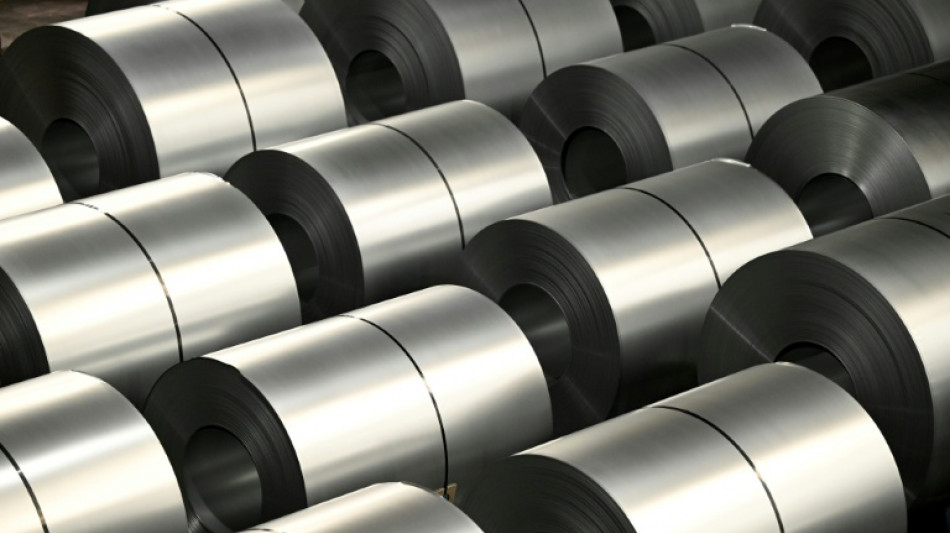
German plans to lower industrial power costs from January / Photo: Ina FASSBENDER - AFP

 Global stocks rally on lower oil prices, US-China hopes
 Spanish PM says unregulated AI could be 'devastating'

 From Korean Chipmakers to Leveraged Semiconductor ETFs: STARTRADER Launches 49 New 24/7 Stock and ETF CFDs

 Asia stocks rise on AI, US-China trade talks optimism
 Multi-Asset Trading Venue Monochrome Exchange Announces IEO of Its Native Token, $MCR
 Data centre command hub keeps AI up and running

 Leo XIV, first US pope transcends his restrained style

 France's debt climbs to highest since 1978: ministry
 Thousands protest inaction over climate crisis in Switzerland

 UK actor Naomi Watts honoured at Spain film festival

 Trump signs bill authorizing sweeping Russia sanctions

 Anthropic picks Accenture for in-house AI safety evaluation
 Hushing and hedging: US companies retreat on climate

 Crisis-wracked Volkswagen warns of 10-bn-euro hit to profits

 Shakira to cap off world tour with Madrid 12-gig run

 Isolated Syrian-Druze city shortages

 UNESCO can be 'moderator' in AI debate: chief to AFP

 Russia seizes assets of Nestle, French firms

 Anthropic says AI systems moving towards building themselves

 Asian stocks boosted by falling oil, yen weakens after BoJ rate hike

 Afghan medical students in Pakistan hope court stops college expulsions

 Australia to detain tourists who overstay visa, minister says

 Asian stocks track Wall St rally as oil prices drop

 Prized Mexican relic returns on loan, two centuries on

 'In our lane': Fed's Warsh defies Trump but still fighting for credibility

Germany plans to begin a scheme to slash energy costs for power-hungry manufacturers in January, the economy minister said Monday, part of efforts to revive Europe's struggling industrial powerhouse.
Sectors like chemicals and steel production have long been complaining that high electricity prices in Germany are adding to their burdens.
The conservative-led government, which took power in May, has promised to bring them down as it seeks to turn around Europe's biggest economy following two years of recession.
"I am assuming that we will introduce the industrial electricity price from January 1, 2026," Economy Minister Katherina Reiche said at a conference in Berlin.
"We are in the final stages of negotiations with the European Commission".
Reiche did not give further details. But the Handelsblatt financial daily reported that, under proposals put forward for the scheme, it could cost the government up to 4.5 billion euros ($5.2 billion) over three years.
To implement the plan, Berlin needs an exemption from EU state aid laws that generally ban high national subsidies. Exceptions are permitted to protect domestic industries.
Reiche said lower power prices would in particular be "key to the competitiveness of steel".
Crisis talks are due to take place in Berlin Thursday on helping the country's steel industry, which is facing fierce competition from cheaper Asian producers.
According to the Handelsblatt report, an energy advisory body and think tanks suggest targeting a subsidised price of five cents per kilowatt hour, substantially lower than the average now, and some 2,000 companies could benefit.
Firms that receive the subsidies would be obliged to boost investments in reducing greenhouse gas emissions.
The plan has faced criticism from some quarters, including that it could discourage companies from lowering energy consumption, slow the green transition, and that it applies only to firms and not households.
German energy prices surged after Russia slashed supplies of cheap gas to the country in 2022 amid soaring tensions over Moscow's invasion of Ukraine.
While Berlin has found alternative sources of energy since then, prices still remain far higher than before the war began.
M.P.Jacobs--CPN