Canada crime bill and rap group fracas spark free-speech debate / Photo: Guillaume BAPTISTE - AFP/File

 South Africa arrests three more suspects, after nine women murdered
 Paramount settles with US states to clear Warner Bros. mega-merger

 Climate crisis a job for world leaders, not just activists: UK FM
 COP31 host says AI's climate footprint to be a summit priority
 EU proposes energy rating for data centres

 TradersYard Shifts Focus to Futures Trading

 Indonesia doing 'everything' but struggling to curb fires
 FQ-42 Vengeance Finds New Home at Creech Air Force Base
 Multi-Asset Trading Venue Monochrome Exchange Announces IEO of Its Native Token, $MCR

 Data centre command hub keeps AI up and running
 Leo XIV, first US pope transcends his restrained style
 France's debt climbs to highest since 1978: ministry
 Thousands protest inaction over climate crisis in Switzerland

 UK actor Naomi Watts honoured at Spain film festival

 Trump signs bill authorizing sweeping Russia sanctions

 Anthropic picks Accenture for in-house AI safety evaluation

 Hushing and hedging: US companies retreat on climate

 Crisis-wracked Volkswagen warns of 10-bn-euro hit to profits

 Shakira to cap off world tour with Madrid 12-gig run

 Isolated Syrian-Druze city shortages

 UNESCO can be 'moderator' in AI debate: chief to AFP

 Russia seizes assets of Nestle, French firms

 Anthropic says AI systems moving towards building themselves

 Asian stocks boosted by falling oil, yen weakens after BoJ rate hike

 Afghan medical students in Pakistan hope court stops college expulsions

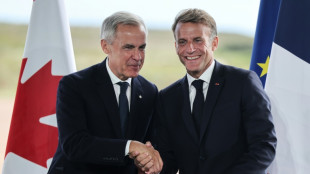
Prime Minister Mark Carney's hate crime bill and a controversy surrounding a Northern Irish rap group have focused Canadian attention on a complex legal question: should displaying certain symbols be a crime?
The legislation introduced by Carney's Liberal government last month has drawn mixed reviews.
Some have praised it as a measured response to soaring hate crime figures, but critics have raised alarm over a provision that, in its words, would "make it a crime to wilfully promote hatred against an identifiable group by displaying certain terrorism or hate symbols in public."
Such symbols would include those linked to Canada's official "listed terrorist entities," which include Hamas and Hezbollah.
Critics have warned the measures could be used to silence legitimate forms of protest, including related to Israel, if the bill becomes law.
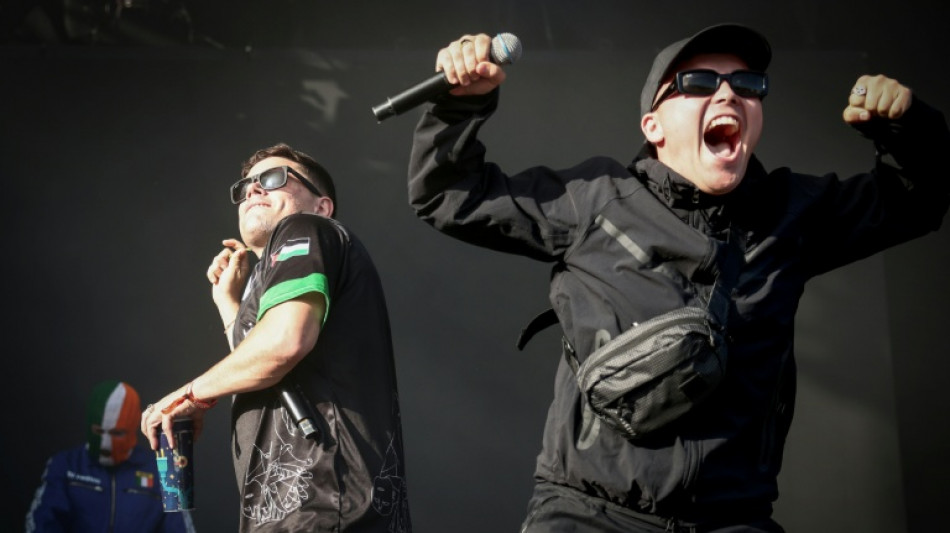
It's an issue at the center of an unusual fracas surrounding the punk rap group Kneecap, a trio that was barred from entering Canada and forced to cancel several shows scheduled for this month.
Kneecap, which sings in Irish and regularly leads chants in support of Gaza, has had multiple performances cancelled internationally over its pro-Palestinian stance and other controversies.
UK prosecutors have said they will appeal a judge's decision to drop a charge of supporting "terrorism" brought against band member Liam O'Hanna -- stage name Mo Chara -- for allegedly displaying a flag belonging to Lebanese group Hezbollah during a concert last November, an offence O'Hanna denies.
- 'Without precedent' -
The manner in which Kneecap was formally excluded from Canada has raised eyebrows.
A Liberal member of parliament responsible for combatting crime, Vince Gasparro, posted a video saying the group was denied entry because they supported terrorism.
Canadian immigration lawyer Andrew Koltun told AFP that announcement was "entirely without precedent," as it appeared to sidestep all recognized procedures for determining admissibility to Canada.
Immigration, Refugees and Citizenship Canada has not commented, citing privacy, while Gasparro's team said his video was based on "information that was available at the time."
Beyond the mechanics of the announcement, Koltun pointed to the larger issue of whether O'Hanna's alleged conduct abroad could be deemed a concern for Canada.
"The whole issue really revolves around whether picking up a Hezbollah flag that was thrown onto the stage, whether that constitutes being a danger to the security of Canada," he said.
Koltun noted Canada could deny entry to someone who provides "material support" to a banned terrorist group, but establishing that holding up a flag amounts to such an offence "would be quite challenging."
Daria Essop, a 61-year-old teacher who planned to attend one of Kneecap's Toronto shows, told AFP she admired the group's support for Gaza and was upset to miss a show she had looked forward to.
"But mostly I was angry because it didn't make sense," she said of the immigration ban.
- 'Misguided?' -
While the Irish rappers do not have the same legal protections as Canadian citizens, Anais Bussieres McNicoll of the Canadian Civil Liberties Association (CCLA) said the Kneecap ordeal was "part of a broader context" in which civic expression in Canada was "under pressure."
The CCLA has raised particular concern about the Liberals' proposed legislation.
The government says the bill, formally known as the Combatting Hate Act, would fight antisemitism, Islamophobia, homophobia and other forms of discrimination.
Canada's oldest Jewish advocacy group, B'nai Brith, has praised it as strong action "against the scourge of hate and violent extremism."
But the National Council of Canadian Muslims has called the bill "misguided."
"It provides a climate where over-zealous officers may seize... symbols of Palestinian solidarity," it said.
Bussieres McNicoll said CCLA agrees combating hatred is "laudable."
But the group has warned that determining the list of foreign terrorist entities "is a highly political decision."
Criminalizing symbols linked to groups on that list "increases the risk of stigmatizing and criminalizing peaceful protesters," the CCLA said.
L.K.Baumgartner--CPN