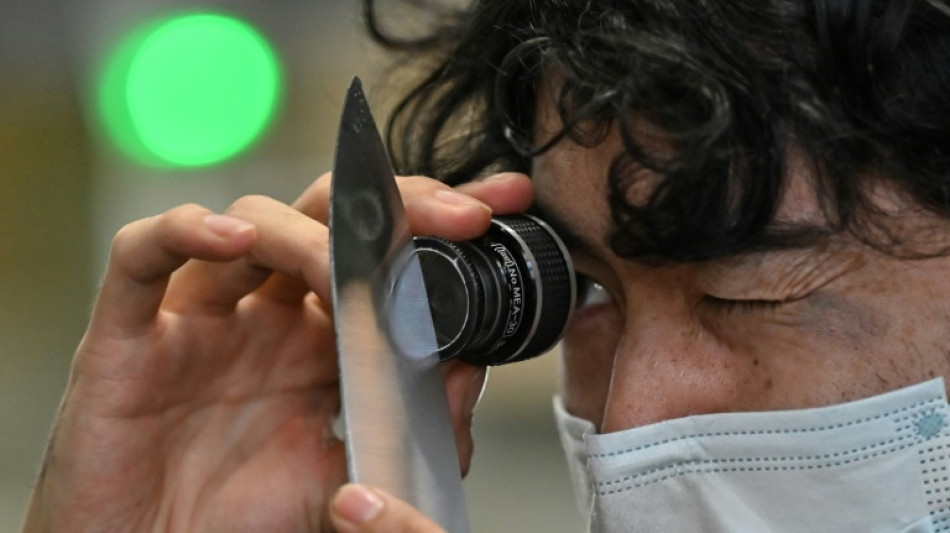
'So Trump-like': relief but no surprise in Japan as US cuts tariffs / Photo: Richard A. Brooks - AFP

 South Lebanon children return to school destroyed by Israel strike
 European stock markets climb as oil prices drop

 Asian markets mixed after recent oil surge

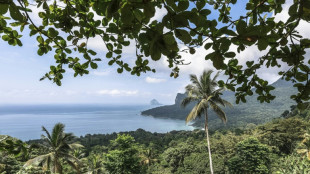 Cash for nature protection: hotelier's offer to Principe islanders
 India rape cases turn focus back onto women's safety

 Rich nations should foot climate bill, says Nepal minister
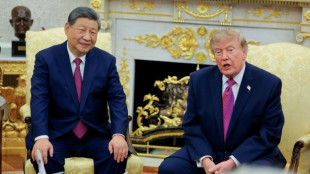
 Italy bans burqas in schools, caps numbers of foreign students per class

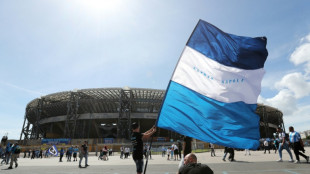 Napoli hoping to build new stadium, says owner
 What happens if the US bans diesel exports
 Oscar-winner Cotillard fears being moved by AI actor

 Stocks fall, oil prices rise as global bonds back under pressure
 Streamex Converts Interest Into Capital as GLDY Investment Strategy Secures $1M+ Institutional Allocation

 STARTRADER Named Best Fintech Forex Broker at Forex Expo Dubai 2026
 German think tanks urge Merz to stick with reforms after election defeats
 France's top-selling newspaper to slash jobs

 BaazEX Enters the Asian Trading Market With a New Approach to Online Forex Trading.
 Sao Tome voters want to stop exodus of 'neglected' youth
 Mexican cartels target Australia with their African meth
 Rapper-turned-PM faces first big test after Nepal disaster

 Meta launches camera-free AI glasses amid privacy pushback

 Anthropic touts AI-led biology discovery
 Stocks fall on soaring bond yields, higher oil prices

 ArcPoint Expands Globally with Institutional Intelligence Platform for Modern Investors

 Outgoing UN chief makes final climate push at New York summit

 Stocks dip, oil soars despite Trump hailing "productive" Iran talks

In the Japanese city of Seki, famed for its razor-sharp artisan knives, news that incoming US tariffs will be lowered is welcome but not entirely unexpected.
Around 40 percent of kitchen blades produced in Seki, where knifemaking expertise dates back 700 years, are exported to the United States, local authorities say.
The two countries announced Wednesday they had cut a deal to lower the 25-percent tariffs on Japanese goods threatened by US President Donald Trump -- starting on August 1 -- to 15 percent.
"Lower tariffs are better" but "I'm not that surprised" at the trade deal, said Katsumi Sumikama, head of Sumikama Cutlery in Seki.
"I don't know what truly happened, but I feel like maybe Trump thought tariffs up to 15 percent were acceptable, and boldly proposed a higher tariff rate at first," Sumikama told AFP.
"Then as the negotiations took shape, he tried to create a good impression in the public eye by lowering it from 25 percent. That kind of strategy would be so Trump-like."
The US leader, who hailed the Japan deal as "massive", has vowed to hit dozens of countries with punitive tariffs if they do not hammer out a pact with Washington by the end of July.
Japan is one of five nations to have signed an agreement -- along with Britain, Vietnam, Indonesia and the Philippines -- after Trump said in April he would strike "90 deals in 90 days".
Headlines have focused on the impact of US tariffs on the likes of Toyota and others in Japan's huge auto industry, as well as trade in steel, rice and other key goods.
But Japanese knives have in recent years become a luxury must-have in kitchens worldwide including the United States, partly fuelled by a pandemic-era home cooking boom.
- 'Weathered the storm' -
Blademaking in Seki dates back to the 14th century, when the city in the mountains of Gifu region became a major producer of swords thanks to its rich natural environment.
Today its knives are prized for their precision, sleek finish and long lifespan, with record tourism to Japan also boosting sales for companies like Sumikama Cutlery.
Exports to North America, including Canada, account for just five percent of the firm's sales on a value basis. The company exports more knives to Europe and other Asian countries.
CEO Sumikama, who is in his 60s, said he did not plan price hikes for the US market, even before the tariffs were reduced.
Seki's industry has "weathered the storm" through the decades, including during exchange rate fluctuations -- with one dollar worth 80 yen or more than 300 yen at times, he told AFP.
On the US side, clients have also survived tumultuous events such as the 2008 financial crisis, meaning they are "not worried at all" about tariffs, he added.
If Trump is "trying to make America strong by deliberately raising tariffs" he should know that "problems cannot be solved by such simple means", Sumikama said, adding that "American people will have to bear the burden of higher costs".
Sumikama Cutlery, which has about 30 workers, uses machines that guarantee accuracy to one-thousandth of a millimetre to make the knives, then artisans finish the job by hand.
Japanese knives make food taste better, "have unique 'wabi-sabi' aesthetics" -- meaning beauty in imperfection -- "and when it comes to sharpness, they're second to none", Sumikama said.
"Different countries have different strengths and weaknesses... even if President Trump tells people to make (Japanese-style) knives, they cannot."
A.Zimmermann--CPN