
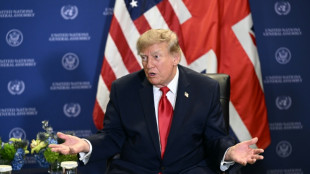
Trump's fossil fuel agenda challenged in youth climate suit / Photo: Alex WROBLEWSKI - AFP/File

 Blueberry Strengthens MENA Presence with CMA Category 5 License and Dubai Office Launch
 In first, French presidential candidate gives birth during campaign

 A Full Moon for Every Child: STARTRADER's STARCARES Brings Support to SOS Children's Village Ho Chi Minh City

 Mongolian herders enlist new tech against harsher, drier climate
 Tata turmoil shines light on India succession woes
 OMP and PwC Alliance Moves Process Manufacturers from Siloed Supply Chain Planning to Unified Decisions
 Chile's Atacama Desert blossoms with life after El Nino rains

 Drug cocktail killed former child star Hayden Panettiere: coroner
 Trump rejects international regulation of AI

 Oil prices slide, AI stock buzz fades

 Quoin Pharmaceuticals Announces FDA Fast Track Designation for QRX003 for the Treatment of Peeling Skin Syndrome
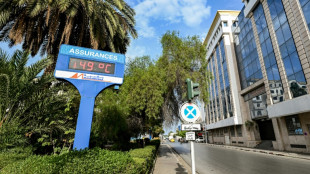 Tunisia says 2026 summer hottest on record

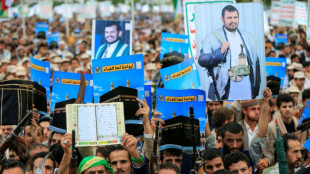 Houthis accuse Saudi Arabia of deadly strikes as thousands flee

 STARTRADER Expands Its Chinese Equity CFD Range with CXMT and Unitree Robotics

 MEXC Expands Opportunity Compass with Stock Trading Handbook to Help Crypto Users Build Investment Knowledge

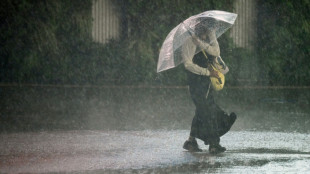 Typhoon Dujuan leaves four dead in Japan, 45,000 houses without power

 Stocks rise on AI buzz, drop in oil prices

 UK king braces as memoir by Diana's brother goes on sale
 Infantino proposes consulting federations to reform FIFA
 South Africa arrests three more suspects, after nine women murdered
 Paramount settles with US states to clear Warner Bros. mega-merger

 Climate crisis a job for world leaders, not just activists: UK FM
 COP31 host says AI's climate footprint to be a summit priority
 EU proposes energy rating for data centres

 TradersYard Shifts Focus to Futures Trading

Life, liberty and the right to a stable climate?
A group of young Americans say President Donald Trump is trampling their inalienable rights through an aggressive push for fossil fuels and a crusade against federal climate science -- and on Tuesday, a rural courtroom in Missoula, Montana will be their stage in a closely watched showdown.
Lighthiser v. Trump is emblematic of a growing global trend of legal action as a tool to push action on planetary warming amid political inertia -- or outright hostility.
"It's very intimidating to think about my future," lead plaintiff Eva Lighthiser recently told AFP in Washington, where she and other plaintiffs represented by the nonprofit Our Children's Trust recently traveled to lobby lawmakers.
The 19-year-old from Livingston, Montana, described smoke-choked skies, relentless floods, and her family's climate-driven relocation as "a lot to reconcile with, as somebody who's just entering adulthood."
Over two days of hearings, she and 21 co-plaintiffs -- all young adults or minors -- will testify about their health and other harms they have endured from the Trump administration's actions.
At issue are three executive orders that "unleash" fossil fuel development and curb the electric vehicle market; invoke emergency powers to accelerate drilling; and designate coal a "mineral," granting it priority status for extraction.
The plaintiffs also allege that scrubbing climate science from federal research has obscured the risks from global warming.
Their lawyers have called on several expert witnesses, including climate scientists, a pediatrician and even former senior White House official John Podesta, to weigh in on the legality of the directives at issue.
"This is really the first time plaintiffs have been able to put on live, cross-examined testimony against the federal government about how it is causing the climate crisis and injuring young people," Andrea Rogers, a lawyer with Our Children's Trust, told AFP.
- A long road -
The plaintiffs are seeking a preliminary injunction that could open the door to a full trial.
The federal government, joined by 19 conservative-leaning states and the territory of Guam, wants the case thrown out.
Most observers give the youths long odds. Judge Dana Christensen, an Obama appointee with a record of pro-environment rulings, is presiding.
But even if the plaintiffs notch a win, the case would then almost certainly land before the conservative-dominated Supreme Court.
"We don't have strong judicial precedent for there being a constitutional right to a clean environment at the federal level," Michael Gerrard, a professor of environmental law at Columbia University told AFP.
"They're trying to frame it as a matter of substance or due process, but that would require novel rulings from the courts to apply that to climate change," he continued, adding: "This Supreme Court is more about taking away rights than granting them, unless you're a gun owner."
Still, the legal team hopes momentum is building in the wake of recent state-level victories.
In 2023, a Montana judge sided with young plaintiffs who argued ignoring climate impacts when issuing oil and gas permits violated their constitutional right to a clean environment.
A year later, youth activists in Hawaii reached a settlement requiring the state to accelerate decarbonization of its transport sector.
But the record has proven bleak at the federal level.
The most prominent case was filed in 2015, Juliana v. United States, and eventually got dismissed after the Supreme Court refused to hear an appeal earlier this year.
The new suit argues that the government is violating due process by stripping citizens of fundamental rights, overstepping executive authority under laws like the Clean Air Act, and breaching its duty under the Fourteenth Amendment by knowingly worsening climate risks.
Gerrard said it would be intriguing to see whether the government will try to contest the factual claims brought by the plaintiffs, or focus instead on legal arguments.
The government is expected to argue these are policy questions for elected officials, not by courts.
But Rogers argued it was the government straying from its lane.
"Whether the executive branch is violating the constitutional rights of young people -- that's precisely the kind of question courts have resolved for decades."
Ng.A.Adebayo--CPN