Japan allows nuclear plants to operate beyond 60 years / Photo: Philip FONG - AFP/File

 اليورو يستقر في البنوك المصرية وأعلى سعر للبيع 59.85 جنيه

 الأرصاد السعودية تتوقع سيولاً وأمطاراً رعدية في خمس مناطق

 Lights out in Laos as electricity exports surge

 Steven Strogatz weighs AI mathematics advances and their consequences for researchers

 Anthropic boss calls for AI slowdown, Altman and Musk agree

 French IT giant Capgemini sells subsidiary after row over ICE links

 Quebec Brokerage Qubit Insurance Announces New Data on Coverage Shortfalls as Rebuilding Costs Rise

 Lady Gaga welcomes first child with fiance: US media

 Bhutan business bets on hazelnuts for farming future

 'Widow's Bay' and 'The Pitt' are favorites for Emmys night

 Coastal erosion forces cancellation of California music festival

 Argentina's Dirty War rears its head in Venice film

 UK lawmakers throw out bill to legalise assisted dying

 US inflation steady in August, fueling Fed rate hike expectations

 New York marks 25th anniversary of 9/11 attacks

 Nepal flood reconstruction bill to be $4.78 bn: foreign ministry

 JUMO and Standard Bank launch Social Finance Framework to scale inclusive finance in Africa

 Doomsday tech: could AI really kill us all?

 French comedy show 'Call my agent' makes film comeback

 It's all coming back: Celine Dion fans gear up for Paris return

 Researchers eye AI revolution in natural disaster forecasts

 US braces for inflation report that may push Fed to hike rates

 Musk threatens legal action over documentary

 Latin America fact-check group asks Meta not to replace verification practice

 AI Risks to Enter 60–80% of Liability and Cyber Insurance Underwriting by 2028, ScienceSoft Predicts

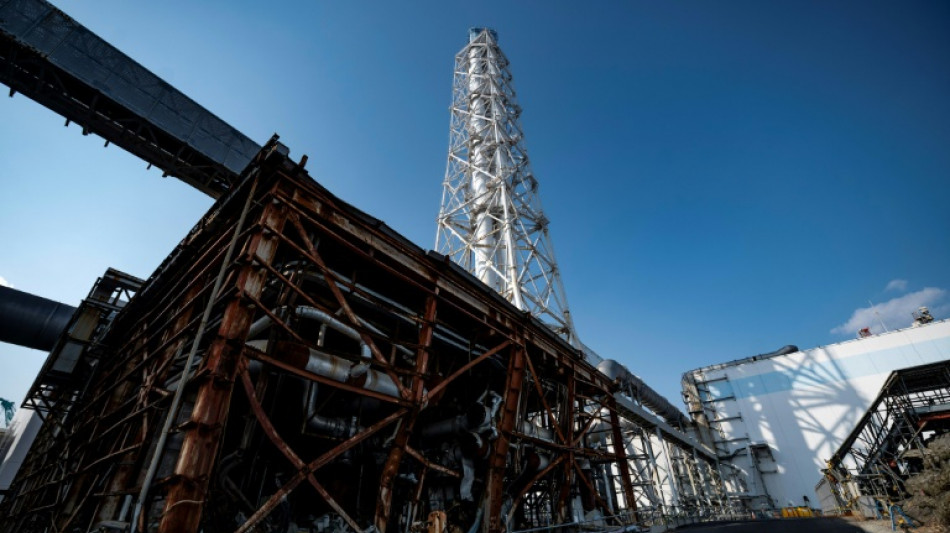
Japan on Wednesday passed a law allowing nuclear reactors to operate beyond 60 years, as it tries to reinvigorate the sector to meet energy challenges and climate targets.
The bill intends to "establish an electricity supply system that will achieve a carbon-free society", a parliament spokesman told AFP.
Under the new rules, the age cap technically remains 60 years but exceptions are allowed for reactors that have had to pause operations for "unforeseeable" reasons.
Those might include changes to safety guidelines, or provisional injunctions by a court.
The new rules allow operators to exclude periods of shutdown when calculating the total years of operation.
However, operators require approval from Japan's nuclear safety watchdog for the exemption, and the law also includes measures intended to strengthen safety checks at ageing reactors.
The government wants to "ensure a stable supply of electricity while promoting the use of carbon-free electricity resources," Japan's ministry of economy, trade and industry said in a statement.
The move comes as Japan's government looks to reinvigorate a nuclear sector that was taken offline after the 2011 Fukushima disaster caused by a deadly tsunami.
Most of Japan's nuclear reactors remain out of action today, but the global energy crisis has reopened debate on the subject and polls show that public views on nuclear power are softening.
D.Goldberg--CPN