-
 Kenya's economy faces climate change risks: World Bank
-
Oil prices sink on Middle East hopes, yen extends gains after joint intervention
-
 Four Al-Fayed survivors told they were trafficking victims
-
Trump says US support for Japanese yen a 'signal of friendship'
-
 Brazil's Lula, 80, says 'in great shape' as he launches fourth term bid
-
Handbag tosses and high-heeled sprints: Amsterdam celebrates Drag Olympics

-
 South Korea records its highest-ever temperature of 42.5C
-
Baltics transform from Soviet stagnation to startup hubs

-
 AI keeps consumer prices high in 'RAMaggedon' chip crunch
-
Five of Cuba's 15 provinces without power as grid fails again

-
 Baltic startups take aim at deterring Russia on NATO's eastern flank
-
OPEC+ tipped to raise production again but new quotas loom

-
 France's largest wildfire in decades 'under control', says minister
-
South Korea baseball league cancels two games over heatwave

-
 Warsaw and Kyiv exhume Volyn victims at centre of diplomatic quarrel
-
India PM Modi says he forgives protesters who abused him

-
 California lifeguards wiped out from extreme weather
-
US plans steep water cuts for southwest amid Colorado River crisis

-
 Amazon surges as US stocks shrug off bond yield worries
-
Oil giants report blowout profits on war, warn high gas prices could persist
-
 Hungary to shut nuclear plant as heatwave hits central Europe
-
Google launches new satellite image AI tool, alarming researchers

-
 Tech-fuelled rally fizzles as oil prices rise
-
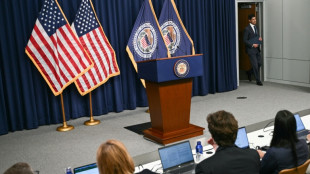
US Fed dissenters call for rate hikes over sustained inflation
-
 Alarm over climate-linked low level of German waterways
-
New York sues online prediction markets giant Kalshi

-
 Commerzbank agrees to talks with UniCredit after two-year standoff
-
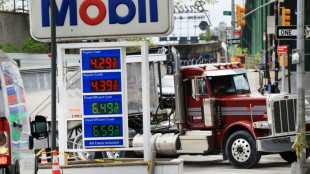
Profits surge at US oil giant amid Iran war supply shock
-
 Fornaro Legal Releases Guidance to Help Businesses Maintain Clear Ownership Records During Growth
-
Stock markets rally on tech rebound

-
 Japan probe made closest-ever asteroid flyby: space agency
-
France, Spain assess scorched terrain as new wildfires threaten other regions

-
 British oil giant BP aims to sell North Sea business
-
Chipmaker Kioxia reports AI-driven 45-fold surge in quarterly net profit

-
 China factory activity slides as leaders seek spending boost
-
Far right and far left battle for power in polarised Berlin

-
 Tech rebound fuels record-breaking rally in South Korean stocks
-
The last trio: S.Africa's zoo elephants await their fate

-
 Cables and cooling bring AI windfall to Indian suppliers
-
Oil industry sees war windfall but girds for political blowback

-
 Anthropic's models gained unauthorized 'real-world' access during testing
-
Amazon beats expectations with cloud and AI growth

-
 Apple tops estimates in CEO Cook's final quarter, but shares fall
-
Blowout Microsoft results lift US stocks as oil retreats

-
 Milei demands expulsion of foreigners expressing 'hate' against Argentina
-
'Beginning of the end': Relief but no party as French wildfire winds down

-
 Italy's Po River valley on drought alert
-
Southern Europe 'becoming more flammable' in hotter climate, experts say

-
 Prada profits pinched as growth hard to chase
-
Mammoth bones found on parched bed of Danube in Bulgaria

Trump's Tariffs Batter Mexico
The Mexican economy is teetering on the brink of recession, largely due to the sweeping tariffs imposed by President Donald Trump. These tariffs, part of a broader "America First" trade policy, have disrupted global trade and hit Mexico particularly hard. With a 25% levy on Mexican imports, the tariffs have led to increased costs for businesses, reduced exports, and a sharp decline in foreign investment. Mexico's economy, already struggling with slow growth, now faces a potential recession, with GDP contracting by 0.6% in the fourth quarter of 2024. Analysts warn that if the tariffs persist, Mexico could enter a prolonged downturn, deepening the country's economic woes.
Economic Fallout from Tariffs
Trump's tariffs have triggered a domino effect across Mexico's economy. The levies have driven up the cost of imported goods, raising production costs for Mexican businesses. This has led to higher prices for consumers, reducing domestic demand and slowing economic activity. Mexico's export sector, heavily reliant on the U.S. market, has been severely impacted. With 83% of Mexican exports destined for the U.S., the tariffs have caused a significant drop in trade, resulting in job losses and reduced revenue for companies. The uncertainty surrounding the tariffs has also deterred foreign investment, further weakening the economy.
Compounding Existing Challenges
Mexico's economic struggles predate the tariffs, with near-zero growth and a historic budget deficit already in play. The tariffs have intensified these issues, pushing the country closer to recession. Efforts by Mexican President Claudia Sheinbaum to mitigate the damage through negotiations and domestic investment boosts have so far fallen short. Analysts predict that the economy could contract further in the coming quarters, with the tariffs acting as a tipping point for an already fragile system.
Industry-Specific Impacts
The automotive sector, a cornerstone of Mexico's economy, has been hit especially hard. The 25% tariff on cars and auto parts has led to a sharp decline in production and exports, forcing manufacturers to seek alternative suppliers and markets. Agriculture, after a brief surge from stockpiling ahead of the tariffs, has slumped as the levies' full impact took hold. Construction and housing markets have also slowed, with rising costs and reduced demand stalling projects and sales.
Public Sentiment and Diplomatic Strain
Public confidence in Mexico has plummeted, with over half of the population expecting the economy to worsen in the next six months. Weekly diplomatic trips to Washington have yielded little progress, as Trump remains steadfast in his stance, arguing the tariffs protect American jobs and reduce the trade deficit. This has strained U.S.-Mexico relations, adding a political dimension to the economic crisis.
Broader Implications
The tariffs' effects extend beyond Mexico, raising concerns about a potential U.S. recession. Increased costs for American businesses and consumers, coupled with disrupted global supply chains, have heightened economic uncertainty. Business confidence has waned, with companies delaying investment and hiring. Some analysts predict a "Voluntary Trade Reset Recession" if the tariffs persist, underscoring their far-reaching consequences.
Conclusion
Trump's tariffs have plunged the Mexican economy into crisis, pushing it to the edge of recession. By disrupting trade, inflating costs, and deterring investment, the levies have exacerbated Mexico's existing challenges. As the situation unfolds, the global economy watches closely, awaiting signs of resolution or further escalation.

Rare Earth Standoff

Tanks in Gaza - Hopes dim?

Poland trusts only hard Power

Cuba's hunger Crisis deepens

How Swiss Stocks tamed Prices

Russia's Drone ploy in Poland

Why Nepal is burning

Milei suffers crushing Defeat

After Kirk: Speech at Risk

Tel Aviv’s Wartime rally

Tokyo’s Housing playbook