
-
 Kenya's economy faces climate change risks: World Bank
-
Oil prices sink on Middle East hopes, yen extends gains after joint intervention
-
 Four Al-Fayed survivors told they were trafficking victims
-
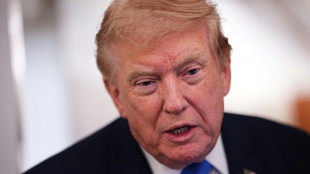
Trump says US support for Japanese yen a 'signal of friendship'
-
 Brazil's Lula, 80, says 'in great shape' as he launches fourth term bid
-
Handbag tosses and high-heeled sprints: Amsterdam celebrates Drag Olympics

-
 South Korea records its highest-ever temperature of 42.5C
-
Baltics transform from Soviet stagnation to startup hubs
-
 AI keeps consumer prices high in 'RAMaggedon' chip crunch
-
Five of Cuba's 15 provinces without power as grid fails again

-
 Baltic startups take aim at deterring Russia on NATO's eastern flank
-
OPEC+ tipped to raise production again but new quotas loom
-
 France's largest wildfire in decades 'under control', says minister
-
South Korea baseball league cancels two games over heatwave

-
 Warsaw and Kyiv exhume Volyn victims at centre of diplomatic quarrel
-
India PM Modi says he forgives protesters who abused him

-
 California lifeguards wiped out from extreme weather
-
US plans steep water cuts for southwest amid Colorado River crisis
-
 Amazon surges as US stocks shrug off bond yield worries
-
Oil giants report blowout profits on war, warn high gas prices could persist
-
 Hungary to shut nuclear plant as heatwave hits central Europe
-
Google launches new satellite image AI tool, alarming researchers

-
 Tech-fuelled rally fizzles as oil prices rise
-
US Fed dissenters call for rate hikes over sustained inflation
-
 Alarm over climate-linked low level of German waterways
-
New York sues online prediction markets giant Kalshi

-
 Commerzbank agrees to talks with UniCredit after two-year standoff
-
Profits surge at US oil giant amid Iran war supply shock
-
 Fornaro Legal Releases Guidance to Help Businesses Maintain Clear Ownership Records During Growth
-
Stock markets rally on tech rebound
-
 Japan probe made closest-ever asteroid flyby: space agency
-
France, Spain assess scorched terrain as new wildfires threaten other regions
-
 British oil giant BP aims to sell North Sea business
-
Chipmaker Kioxia reports AI-driven 45-fold surge in quarterly net profit

-
 China factory activity slides as leaders seek spending boost
-
Far right and far left battle for power in polarised Berlin

-
 Tech rebound fuels record-breaking rally in South Korean stocks
-
The last trio: S.Africa's zoo elephants await their fate

-
 Cables and cooling bring AI windfall to Indian suppliers
-
Oil industry sees war windfall but girds for political blowback

-
 Anthropic's models gained unauthorized 'real-world' access during testing
-
Amazon beats expectations with cloud and AI growth

-
 Apple tops estimates in CEO Cook's final quarter, but shares fall
-
Blowout Microsoft results lift US stocks as oil retreats

-
 Milei demands expulsion of foreigners expressing 'hate' against Argentina
-
'Beginning of the end': Relief but no party as French wildfire winds down

-
 Italy's Po River valley on drought alert
-
Southern Europe 'becoming more flammable' in hotter climate, experts say

-
 Prada profits pinched as growth hard to chase
-
Mammoth bones found on parched bed of Danube in Bulgaria

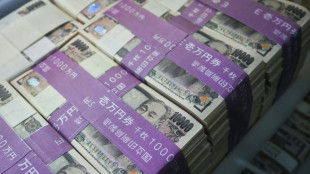
US, Japan support yen with first joint intervention since 2011
Japan and the United States said Monday they were ready to act again following their first joint action in 28 years to boost the yen, after the beleaguered currency hit a four-decade low.
The yen has been weakening because of the gap between Japanese and US interest rates -- fuelling the yen "carry trade" by investors -- as well as concerns about Japan's colossal debts under new Prime Minister Sanae Takaichi.
The scale of Friday's joint operation was not known, but it was the first since 2011 when the United States and Japan -- and other G7 members -- sold yen to stop it rising after a huge earthquake.
The last time Washington and Tokyo bought yen was 1998, Japan's finance minister said.
US President Donald Trump confirmed the concerted action aboard Air Force One on Sunday Washington time, calling it a "signal of friendship" with Japan and "good for the world economy".
"And we're always there for Japan. Japan's been very good to us, with the exception, of course, of Pearl Harbor," Trump added, referring to the Japanese attacks on the Pacific US naval base in World War II.
"We will not hesitate to participate in further joint intervention," US Treasury Secretary Scott Bessent said, adding that the US officials "strongly support Japan's decisive market and monetary steps to correct the substantial undervaluation of the yen."
"The Takaichi government is moving into an exciting new phase of Abenomics, as nearly 15 years of powerful stimulus have created durable, robust underlying economic dynamics," he added.
This referred to the combination of aggressive monetary easing, fiscal stimulus, and structural reforms under assassinated former premier Shinzo Abe, a figure greatly admired by Japan's first woman leader Takaichi.
The intervention came after the yen hit 163.99 per dollar last month, its weakest level since 1986. On Friday it soared to 157.40, the strongest since early May, and on Monday briefly touched 155.23, prompting speculation of another intervention.
"This joint action... countered excessive volatility and disorderly movements in the Japanese yen in recent months," Japan's Finance Minister Satsuki Katayama said. She added that Tokyo had "received very high praise for robustly revitalising and boosting the economy".
"This is the first time since 1998 that Japan and the US conducted coordinated intervention to buy the yen, so naturally, both countries made their own assessments and decided that such intervention was necessary, which is why they acted in concert," Satayama said.
- Tough talk -
While good for its big exporters like Sony and Toyota, a weak yen inflates import costs for resource-poor Japan, especially oil just as the war strangles supplies from the Gulf.
The yen has been sliding despite previous interventions and comments by Katayama that Japan was ready to act, remarks aimed at deterring investors from betting on the currency sliding further.
The Bank of Japan in June hiked interest rates to a 31-year high of 1.0 percent -- and held them there last week -- well below the US Federal Reserve's 3.50-3.75 percent.
This gap means investors borrow yen cheaply and invest in other assets outside Japan with better returns -- known as a "carry trade" -- resulting in capital outflows and more downside for the yen.
The BoJ is expected to hike rates in the coming months but the US Federal Reserve could do the same to combat surging inflation on the back of Trump's months-long war on Iran.
"Historical episodes of joint (yen) intervention show that these events have typically taken place around key turning points in (the exchange rate)," said economist Michael Wan at MUFG.
But he added that this was "not always the case" and that "the fundamentals likely still need to change for a more durable move".
A.Mykhailo--CPN