-
 Kenya's economy faces climate change risks: World Bank
-
Oil prices sink on Middle East hopes, yen extends gains after joint intervention
-
 Four Al-Fayed survivors told they were trafficking victims
-
Trump says US support for Japanese yen a 'signal of friendship'
-
 Brazil's Lula, 80, says 'in great shape' as he launches fourth term bid
-
Handbag tosses and high-heeled sprints: Amsterdam celebrates Drag Olympics

-
 South Korea records its highest-ever temperature of 42.5C
-
Baltics transform from Soviet stagnation to startup hubs

-
 AI keeps consumer prices high in 'RAMaggedon' chip crunch
-
Five of Cuba's 15 provinces without power as grid fails again

-
 Baltic startups take aim at deterring Russia on NATO's eastern flank
-
OPEC+ tipped to raise production again but new quotas loom
-
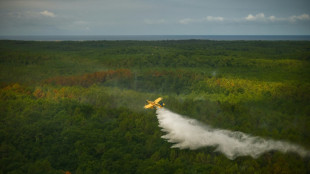 France's largest wildfire in decades 'under control', says minister
-
South Korea baseball league cancels two games over heatwave

-
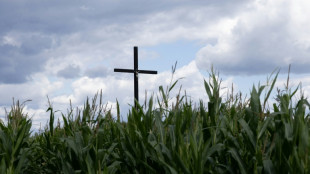 Warsaw and Kyiv exhume Volyn victims at centre of diplomatic quarrel
-
India PM Modi says he forgives protesters who abused him

-
 California lifeguards wiped out from extreme weather
-
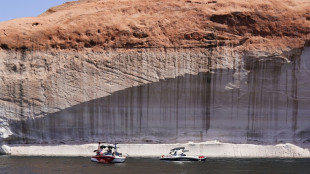
US plans steep water cuts for southwest amid Colorado River crisis
-
 Amazon surges as US stocks shrug off bond yield worries
-
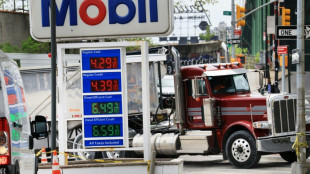
Oil giants report blowout profits on war, warn high gas prices could persist
-
 Hungary to shut nuclear plant as heatwave hits central Europe
-
Google launches new satellite image AI tool, alarming researchers

-
 Tech-fuelled rally fizzles as oil prices rise
-
US Fed dissenters call for rate hikes over sustained inflation

-
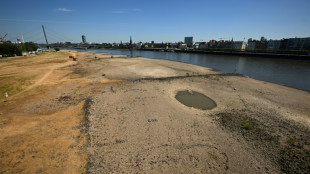 Alarm over climate-linked low level of German waterways
-
New York sues online prediction markets giant Kalshi

-
 Commerzbank agrees to talks with UniCredit after two-year standoff
-
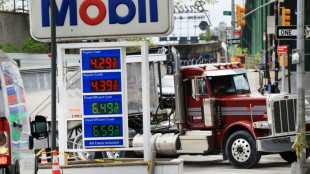
Profits surge at US oil giant amid Iran war supply shock
-
 Fornaro Legal Releases Guidance to Help Businesses Maintain Clear Ownership Records During Growth
-
Stock markets rally on tech rebound

-
 Japan probe made closest-ever asteroid flyby: space agency
-
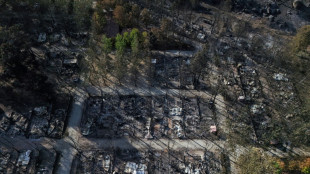
France, Spain assess scorched terrain as new wildfires threaten other regions
-
 British oil giant BP aims to sell North Sea business
-
Chipmaker Kioxia reports AI-driven 45-fold surge in quarterly net profit

-
 China factory activity slides as leaders seek spending boost
-
Far right and far left battle for power in polarised Berlin

-
 Tech rebound fuels record-breaking rally in South Korean stocks
-
The last trio: S.Africa's zoo elephants await their fate

-
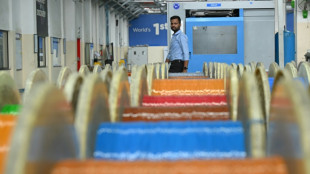 Cables and cooling bring AI windfall to Indian suppliers
-
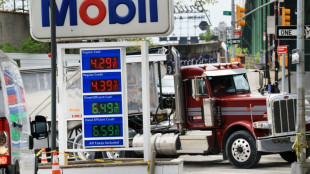
Oil industry sees war windfall but girds for political blowback
-
 Anthropic's models gained unauthorized 'real-world' access during testing
-
Amazon beats expectations with cloud and AI growth

-
 Apple tops estimates in CEO Cook's final quarter, but shares fall
-
Blowout Microsoft results lift US stocks as oil retreats

-
 Milei demands expulsion of foreigners expressing 'hate' against Argentina
-
'Beginning of the end': Relief but no party as French wildfire winds down

-
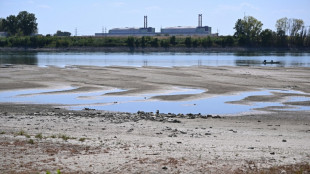
 Italy's Po River valley on drought alert
-
Southern Europe 'becoming more flammable' in hotter climate, experts say

-
 Prada profits pinched as growth hard to chase
-
Mammoth bones found on parched bed of Danube in Bulgaria

India-Pakistan Tensions Surge
The long-standing rivalry between India and Pakistan has once again flared up, bringing the two nuclear-armed nations perilously close to the edge of conflict. The latest escalation follows a deadly attack on April 22, 2025, in the Indian-administered region of Kashmir, where 26 tourists were killed in what Indian authorities have described as a terrorist act. India has accused Pakistan of being complicit in the attack, a charge that Pakistan vehemently denies. This incident has triggered a series of retaliatory measures from both sides, raising fears of a full-scale military confrontation.
The attack occurred near the popular tourist destination of Pahalgam and was one of the deadliest in Kashmir in over two decades. Indian officials claim the assailants were linked to a militant group known for past attacks, with at least two identified as Pakistani nationals, intensifying suspicions of Islamabad’s involvement. Pakistan has rejected these allegations, calling them baseless and accusing India of exploiting the incident to heighten tensions.
In response, India has taken significant steps against Pakistan. On April 24, 2025, the Indian government announced the suspension of a decades-old water-sharing agreement, a move seen as highly provocative since it affects Pakistan’s primary water source. Pakistan condemned this decision, warning that any disruption to its water supply would be treated as an act of war. India has also expelled all Pakistani nationals from its territory by April 27, 2025, closed its airspace to Pakistani airlines, and downgraded diplomatic relations by expelling diplomats. Pakistan retaliated by closing its airspace to Indian flights, suspending trade, and shutting down the main land border crossing.
Military tensions have also risen, with reports of skirmishes along the Line of Control in Kashmir. Both sides have accused each other of unprovoked firing, though no casualties have been confirmed. The international community, including the United Nations, has urged restraint and offered mediation, but neither country has accepted. Major powers have echoed calls for de-escalation, highlighting the catastrophic risks of a conflict between two nuclear states.
The India-Pakistan conflict traces back to 1947, when the partition of British India created two nations with competing claims over Kashmir. Despite multiple wars and peace efforts, the dispute remains unresolved, and Kashmir continues to be a heavily militarized region. The current crisis has reignited fears of another war, with India’s leadership vowing strong action and Pakistan pledging to defend itself. The water-sharing suspension has been described as a critical escalation, threatening Pakistan’s stability.
As tensions mount, the world watches with concern. The risk of miscalculation remains high, and the consequences of a nuclear conflict could be devastating for the region and beyond. Both nations face a critical choice: step back and pursue dialogue or risk a path with dire global implications.

Can the FANB shield Maduro?

Operation Venezuela: Scenario

Trump vs Intel: Chip endgame?

After Europe’s capitulation

Tariffs roil U.S.–India ties

Adobe down 40% and now?

Adobe down 40%: Kodak moment?
Bolivia at breaking point

Embraer’s 950% surge

China’s profitless push

Alert in Trump’s America