-
 Modi pitches India as global chipmaking hub
-
King Charles to call on tech giants for 'reassurances' over AI

-
 Ukraine plans record defence spending in 2027
-
STARPRIME Responds to Diverging Gold Market Demand with AM/PM Fixing and XAU24/7

-
 NASA scan discovers new, 'once in a century' Moon crater
-
Where the US-China tariff row stands ahead of White House summit

-
 Most stocks rise as Fed hikes and indicates drive to curb inflation
-
Indonesia cash-for-photos scheme turns animal hunters into protectors

-
 UK-Sudanese author pens book to give children 'African history of Africa'
-
Argentine judge orders suspension of Falklands oil project

-
 US Congress passes sweeping Russia sanctions bill
-
US Fed raises rates to tackle 'too high' inflation, irking Trump

-
 US stocks fall, dollar gains after Fed lifts interest rates
-
Turkey releases 106 protesters, jails more LGBTQ activists

-
 US Fed raises rates to tackle 'too high' inflation in move sure to rile Trump
-
Candidate for UN chief calls for AI regulation akin to nuclear weapons

-
 US Fed raises rates to battle inflation in move likely to rile Trump
-
'We're losing control,' AI pioneer Yoshua Bengio tells AFP

-
 US House faces test on sweeping Russia sanctions bill
-
IR-MED and Dice Technologies Announce collaboration to Evaluate and Advance Pressure-Injury Prevention Platform in Japan

-
 British PM says to make 'difficult decisions' as inflation rises
-
Watts, Pitt, Cruz to light up Spain's top film festival

-
 Global fuel price demos: a round-up
-
Toogood Gold's Table Mountain Sits in the Shadow of a Nevada Gold Rush

-
 Leverate Launches MCP for Traders to Connect AI Assistants With Trading Platforms
-
MEXC July–August Security Report: 38.66M USDT in Risk Funds Intercepted, Futures Insurance Fund Hits 792M USDT

-
 MEXC Launches $1M "Discover Your Wall Street DNA" Campaign to Help Traders Find Their Market Fit
-
Emporio Armani names Dario Vitale new creative director

-
 Stocks edge higher ahead of US Fed rate call
-
EU to ban social media for under 13s, curb access until 15

-
 BASIS.pro Expands On-Chain Infrastructure with XDC Network Partnership and Zypher DAO as Auto Earn Goes Live
-
Wildfires push endangered Sumatran elephants to brink: Indonesian NGO

-
 Pickle-flavoured tart? AI inspires Japan's convenience stores
-
Bank of Japan set to raise rates under pressure from inflation, US

-
 EU chief hosts Canada's Carney in push to 'deepen' alliance
-
EU chief to unveil social media, gaming curbs for under-15s

-
 Meta chief pushes back on AI slowdown calls
-
'Resident Evil' film brings video game's ethos to the big screen

-
 US Fed to deliver rate decision with markets betting on hike
-
GA-ASI Mojave First UAS To Complete Battlefield Short Field Ops

-
 i-payout Expands U.S. Money Transmitter Licensing Footprint and Advances European EMI Strategy
-
Sanders, Bannon warn of AI dangers in rare US left-right alignment

-
 US Senate crypto bill collapses amid partisan deadlock
-
Empty benches as schools reopen in Venezuela's quake-hit Guaira

-
 OpenAI, Anthropic and Google are working to create an AI standards body
-
Tiny English village holds 'independence' vote over asylum seeker housing

-
 Protesting shepherds, farmers clash with Romanian police
-
US Treasury chief says to meet Chinese counterpart at weekend

-
 Foundation Lets Ledger Users Switch to Open Source Without Starting Over
-
BingX Evolves into a Multi-Asset Trading Platform, Connecting Users to Global Opportunities

Germany doesn't want any more migrants?
Germany, once a beacon of openness during the 2015 migrant crisis when it welcomed over a million refugees, appears to be undergoing a profound shift in its stance on immigration. Under the leadership of Friedrich Merz, the newly elected chancellor from the Christian Democratic Union (CDU), the country is tightening its borders and rethinking its reliance on foreign labour. This pivot, driven by economic pressures, security concerns, and a resurgent far-right, raises questions about the future of a nation long defined by its post-war commitment to multiculturalism and economic pragmatism.
A Legacy of Openness Under Strain:
Germany’s immigration policy has historically been shaped by necessity and morality. After World War II, the "Wirtschaftswunder—the economic miracle—relied" on "Gastarbeiter" (guest workers) from Turkey and southern Europe to rebuild the nation. In 2015, Chancellor Angela Merkel’s decision to open borders to Syrian and other refugees was both a humanitarian gesture and a bid to bolster an ageing workforce. By 2020, immigrants and their descendants comprised 26% of Germany’s 83 million residents, per the Federal Statistical Office, contributing significantly to sectors like manufacturing and healthcare.
Yet, the mood has soured. The CDU’s victory in the 23 February 2025 federal election, securing 28.5% of the vote, came amid a surge for the anti-immigrant Alternative für Deutschland (AfD), which captured 20%. Merz, forming a coalition with the Social Democratic Party (SPD), has vowed to address what he calls “uncontrolled inflows,” signalling a departure from Merkel’s legacy.
Economic Pragmatism Meets Saturation:
Germany’s economy, Europe’s largest, has long depended on immigrants to fill labour gaps. In 2024, the Institute for Employment Research (IAB) estimated a shortage of 400,000 skilled workers, particularly in engineering and nursing. The birth rate, at 1.5 children per woman, remains well below replacement level, amplifying the need for foreign talent. So why the reversal?
Uneducated immigrants are a burden on the German welfare system:
Analysts point to a saturation point. Unemployment, though low at 5.5% in 2024, masks regional disparities and a growing perception that immigrants strain welfare systems. The influx of 200,000 Ukrainian refugees since 2022, while largely welcomed, has stretched housing and social services, with cities like Berlin reporting a 20% rise in rents over two years. Merz has argued that Germany must “prioritise integration over importation,” citing a 2024 Interior Ministry report that 30% of recent arrivals remain jobless after five years—a statistic seized upon by critics of open borders.
Security and the Far-Right Shadow - Too many Migaten are simply criminal:
Security concerns have further fuelled the shift. High-profile incidents, such as the December 2024 knife attack in Mannheim by an Afghan asylum seeker, which left three dead, have reignited debates about vetting and deportation. The AfD, capitalising on such events, has pushed a narrative of “immigrant crime,” despite data showing that foreign nationals’ offence rates (excluding immigration violations) align with those of native Germans. Merz, while distancing himself from the AfD’s rhetoric, has pledged tougher asylum rules and faster removals of rejected applicants, a nod to public unease.
The far-right’s electoral gains—126 projected Bundestag seats—have pressured mainstream parties to act. Posts on X reflect a polarised populace: some decry “a betrayal of German values,” while others cheer “a return to sovereignty.” Merz’s coalition, balancing the SPD’s pro-immigration leanings, must navigate this divide.
Policy Shifts and Global Implications:
Concrete measures are emerging. In February 2025, Merz announced plans to cap asylum applications at 100,000 annually—down from 300,000 in 2023—and expand “safe third country” agreements, allowing deportations to nations like Turkey. The Skilled Immigration Act, liberalised in 2023 to attract professionals, faces scrutiny, with proposals to raise income thresholds and tighten language requirements. Meanwhile, the EU’s New Pact on Migration, which Germany endorsed in 2024, is under review as Berlin seeks stricter external border controls.
Globally, this retrenchment could dim Germany’s image as a progressive leader. Its ageing population—projected to shrink to 79 million by 2050 without immigration—poses a long-term economic risk. The Confederation of German Employers (BDA) warned in January 2025 that curtailing inflows could cost 1% of GDP growth annually by 2030. Yet, political expediency seems to trump such forecasts for now.
A Nation at a Crossroads:
Germany’s turn from immigration reflects a confluence of pressures: economic limits, security fears, and a populist tide. It does not signal an absolute rejection—labour shortages ensure some openness persists—but a recalibration towards control and selectivity. For Merz, the challenge is twofold: assuaging a restive electorate while preserving the economic engine that immigrants have long fuelled. Whether this balancing act succeeds will shape not just Germany’s future, but Europe’s.

Truth: The end of the ‘Roman Empire’
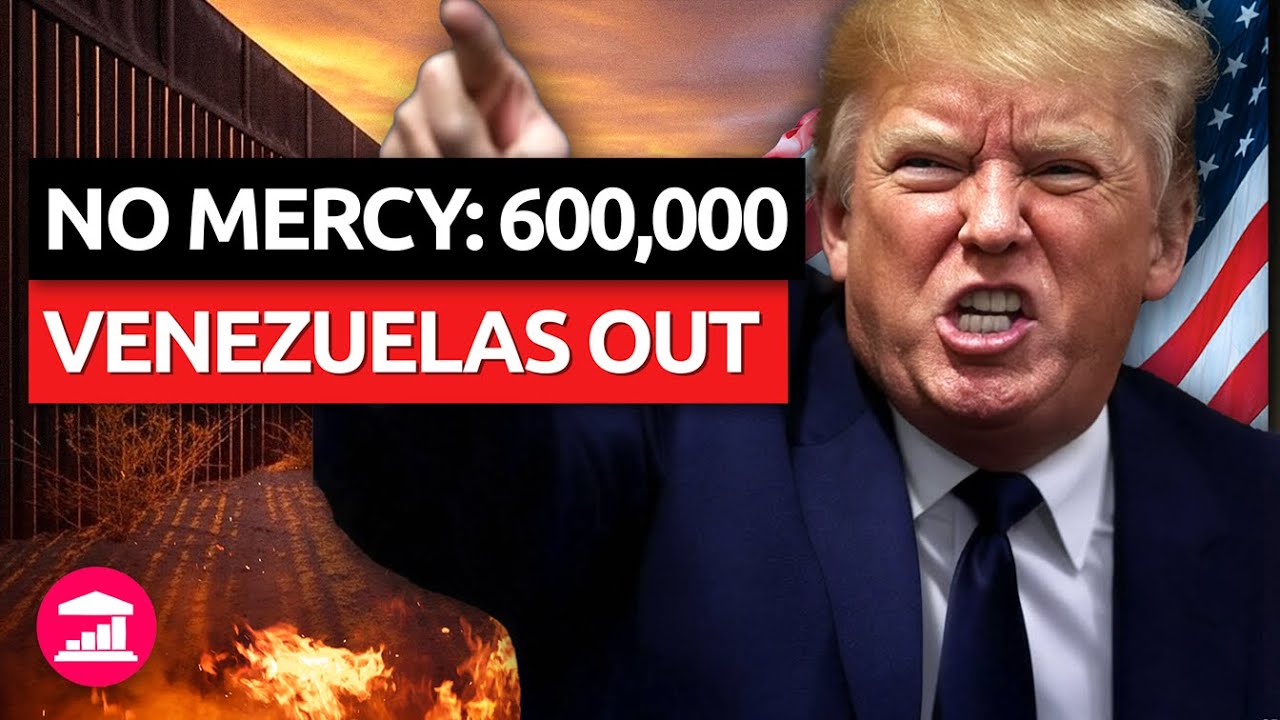
US: Trump begins mass deportations!
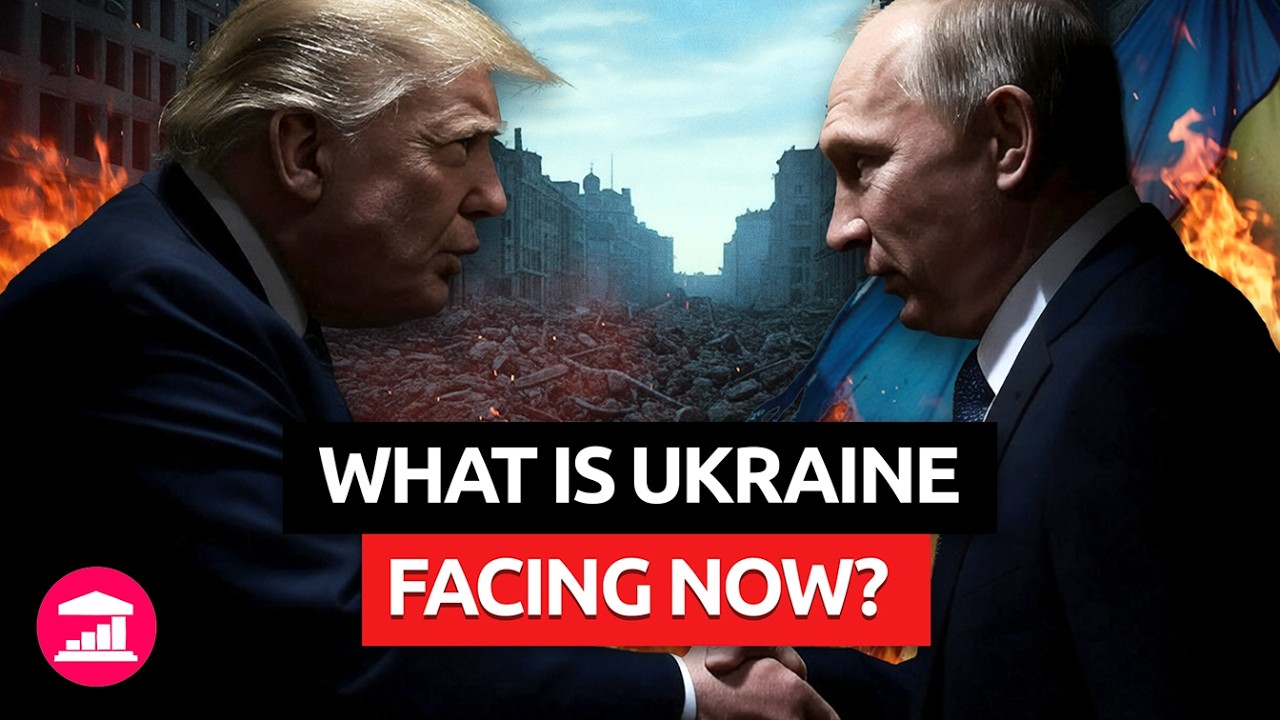
Russia and the terrorism against Ukraine
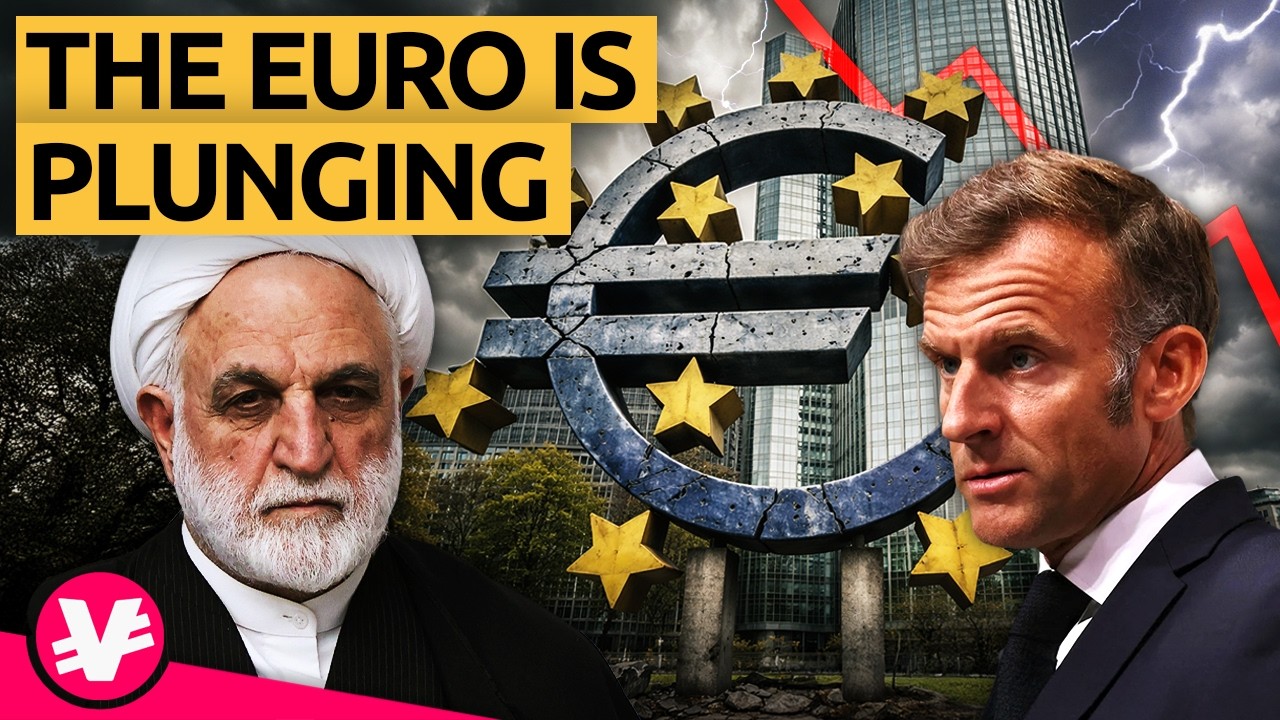
Iran lifts Dollar, sinks Euro
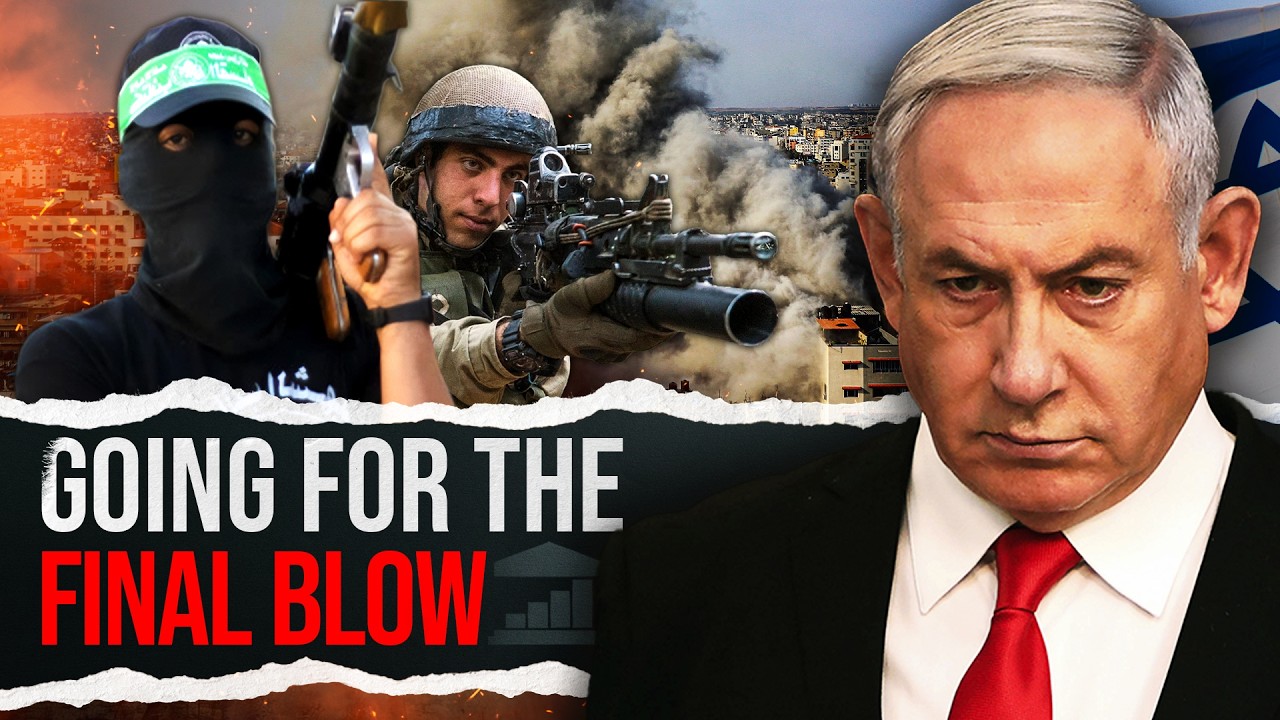
Is that Israel's final blow?

Houthis and al-Qaeda
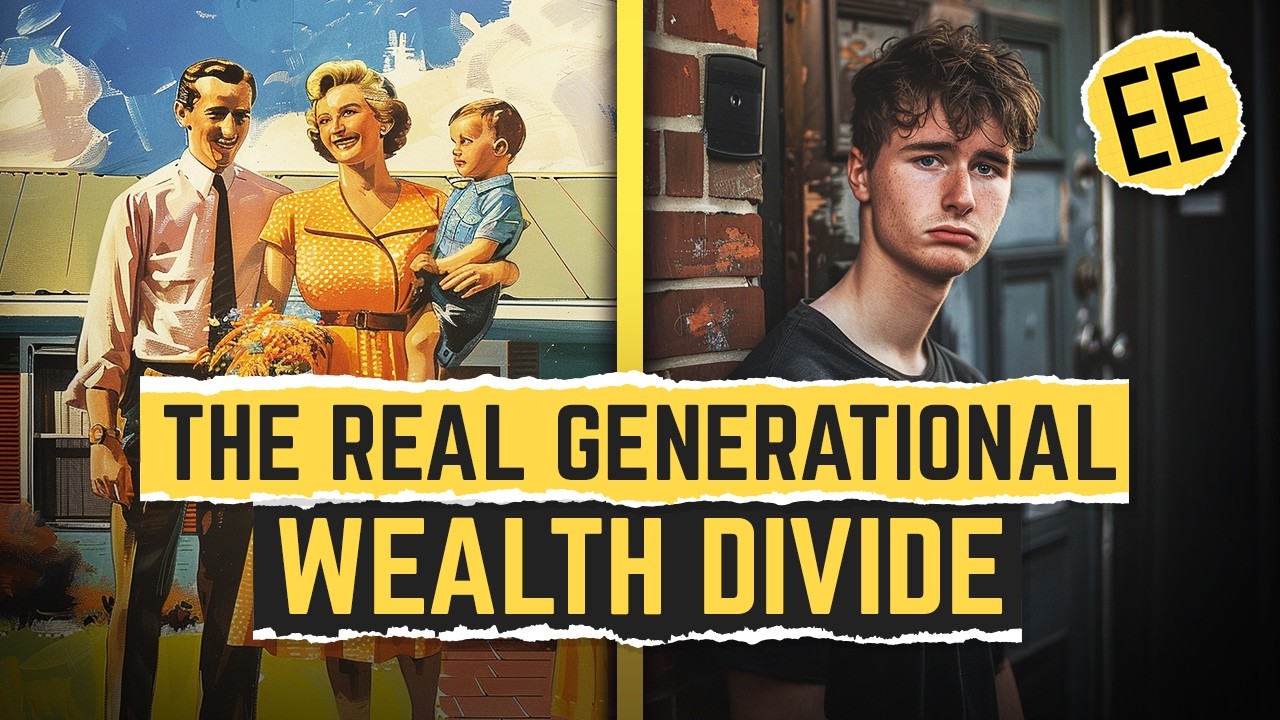
Boomers: Selfish or Scapegoats?

Malaysia's Strategic Ascent
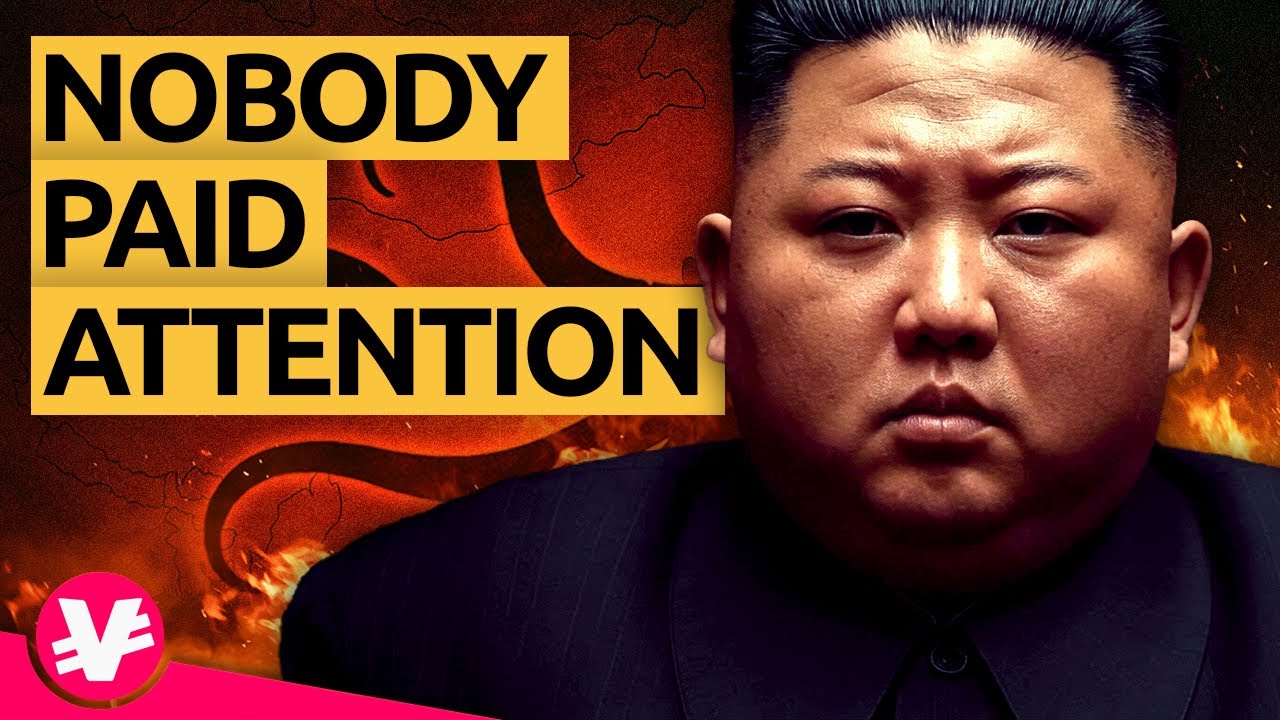
North Korea Infiltrates Economy
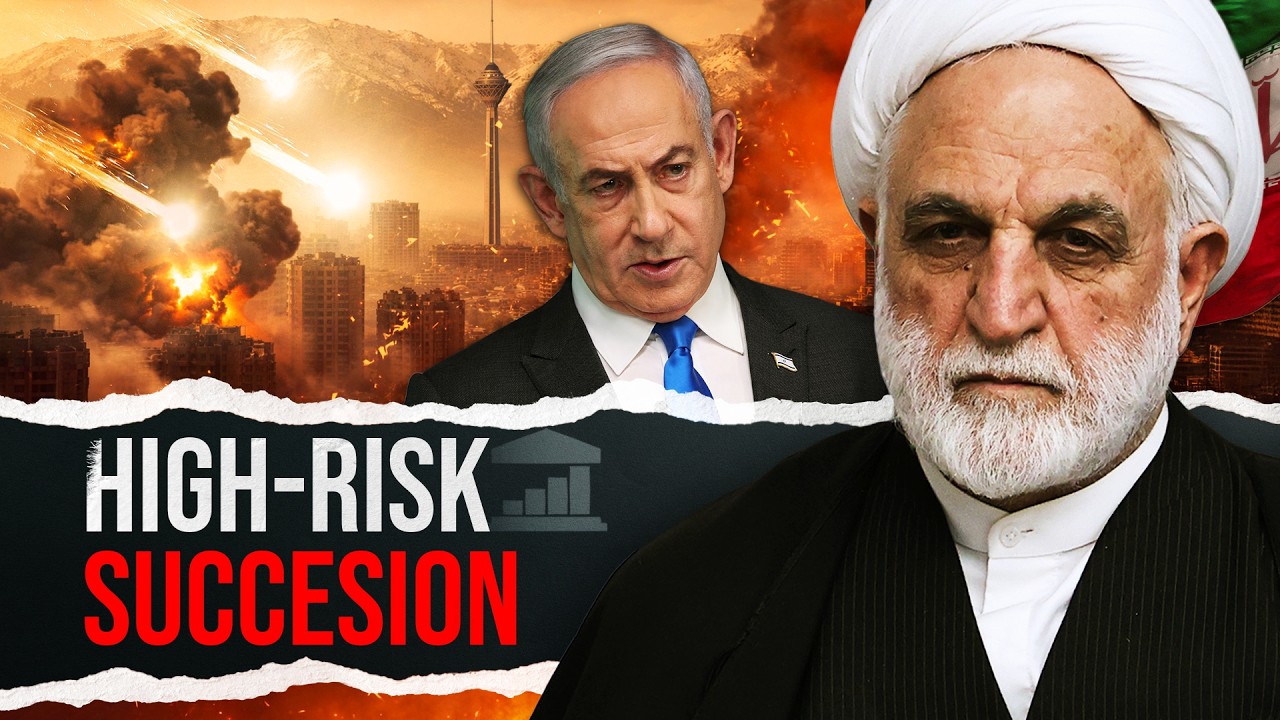
Israel presses Tehran
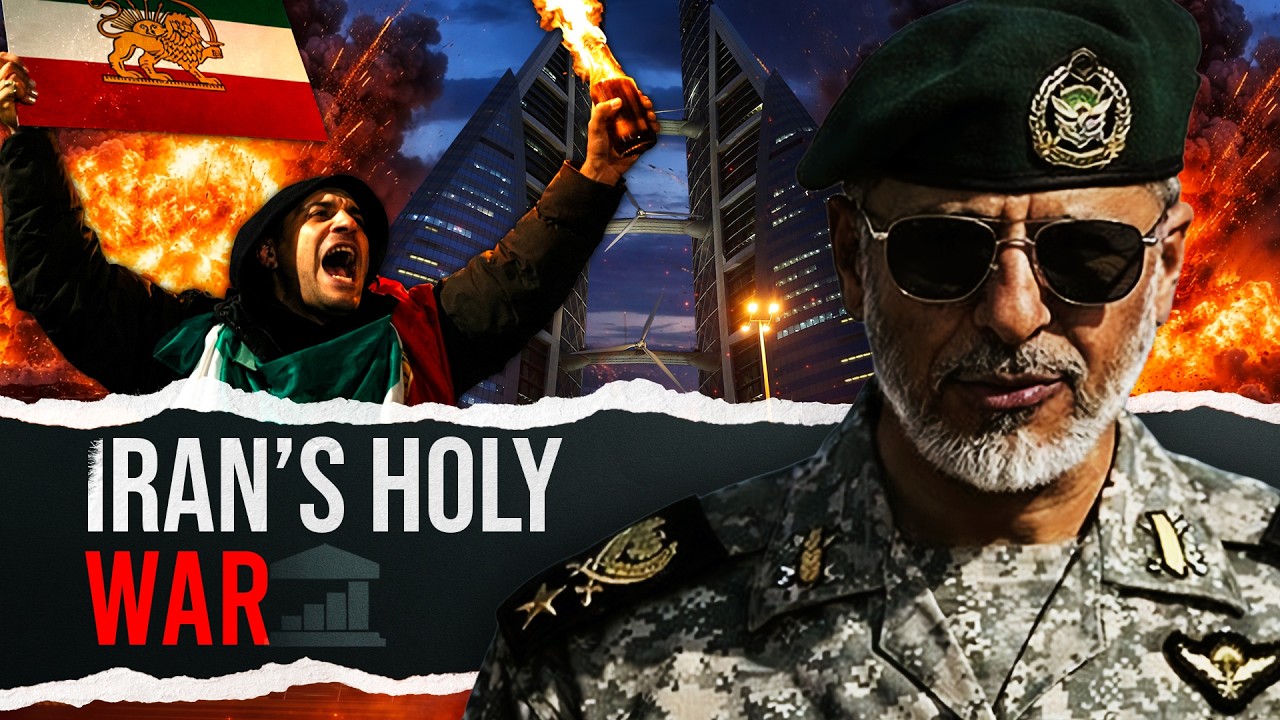
Iran and the holy War risk