-
 Princess Diana's brother makes new explosive claims against Charles
-
GM delivers first components for US interceptor missiles

-
 Trump admin overhauls key protection for endangered species
-
Travis Scott and Keith Richards feature on GTA VI soundtrack

-
 Mbappe draws political fire over Ceuta t-shirt controversy
-
King Charles warns tech bosses of 'existential dangers' of AI

-
 Third malaria death in Germany from outbreak tied to Frankfurt airport
-
French fishermen block ports over petrol prices

-
 AtlasClear Holdings Reports Preliminary Fiscal 2026 Revenue of Approximately $20.1 Million, Up 85%; Revenue Plus Interest Income of Approximately $21.9 Million
-
Micron's Taiwan workers say 68 months' bonus not enough

-
 'Another arrow to the quiver': World Bank posts record private capital mobilization
-
Canada's Carney pushes 'new alliance' with EU despite Trump threats

-
 Ireland to boycott Eurovision 2027 over Gaza
-
Beyond Investment Returns: Families Are Measuring Wealth by Freedom, Continuity, and Legacy, According to Nour Private Wealth

-
 India's Tata Sons reappoints N. Chandrasekaran as chairman
-
King Charles disputes claims in book by Princess Diana's brother

-
 Germany urges EU action against China to defend carmakers
-
Nepal floods among 'most challenging' disasters: WFP

-
 Japan eyes changing prostitution law to punish sex buyers
-
Kids and social media: what would change under new EU law

-
 Modi pitches India as global chipmaking hub
-
King Charles to call on tech giants for 'reassurances' over AI

-
 Ukraine plans record defence spending in 2027
-
STARPRIME Responds to Diverging Gold Market Demand with AM/PM Fixing and XAU24/7

-
 NASA scan discovers new, 'once in a century' Moon crater
-
Where the US-China tariff row stands ahead of White House summit

-
 Most stocks rise as Fed hikes and indicates drive to curb inflation
-
Indonesia cash-for-photos scheme turns animal hunters into protectors

-
 UK-Sudanese author pens book to give children 'African history of Africa'
-
Bayer to Present How it Rebuilt Global Planning with OMP at Gartner Supply Chain Planning Summit 2026

-
 Argentine judge orders suspension of Falklands oil project
-
US Congress passes sweeping Russia sanctions bill

-
 US Fed raises rates to tackle 'too high' inflation, irking Trump
-
US stocks fall, dollar gains after Fed lifts interest rates

-
 Turkey releases 106 protesters, jails more LGBTQ activists
-
US Fed raises rates to tackle 'too high' inflation in move sure to rile Trump

-
 Candidate for UN chief calls for AI regulation akin to nuclear weapons
-
US Fed raises rates to battle inflation in move likely to rile Trump

-
 'We're losing control,' AI pioneer Yoshua Bengio tells AFP
-
US House faces test on sweeping Russia sanctions bill

-
 IR-MED and Dice Technologies Announce collaboration to Evaluate and Advance Pressure-Injury Prevention Platform in Japan
-
British PM says to make 'difficult decisions' as inflation rises

-
 Watts, Pitt, Cruz to light up Spain's top film festival
-
Global fuel price demos: a round-up

-
 Toogood Gold's Table Mountain Sits in the Shadow of a Nevada Gold Rush
-
Leverate Launches MCP for Traders to Connect AI Assistants With Trading Platforms

-
 MEXC July–August Security Report: 38.66M USDT in Risk Funds Intercepted, Futures Insurance Fund Hits 792M USDT
-
MEXC Launches $1M "Discover Your Wall Street DNA" Campaign to Help Traders Find Their Market Fit

-
 Emporio Armani names Dario Vitale new creative director
-
Stocks edge higher ahead of US Fed rate call

Seven-Day Sanctions Showdown
With just one week remaining before a new U.S. sanctions package enters into force, the Kremlin is facing its most perilous economic moment since the start of the full-scale invasion of Ukraine. President Donald Trump has set an 8 August deadline for Moscow to agree to a cease-fire or confront measures designed to choke off the few remaining arteries that still feed the Russian economy.
With its criminal actions, the terrorist state of Russia is approaching the unjustified, murderous and completely unjustifiable war (murder of the Ukrainian civilian population, rape and terror by Russian soldiers against civilians in Ukraine) against its peaceful neighbour, Ukraine, and is now heading for economic ruin – and that is a good thing for any objective observer!
The forthcoming order widens the financial dragnet beyond Russian entities themselves. Foreign banks clearing energy payments will be subject to “full-blocking” penalties, while buyers of Russian crude and refined products risk losing access to U.S. markets and the dollar system altogether. U.S. officials say the rules mirror the toughest Iran sanctions—but scaled for a G-20 economy—and will apply to oil lifted after 7 August, when a parallel tariff hike on 68 countries also takes effect.
Energy is the Kremlin’s fiscal backbone, accounting for roughly a quarter of federal revenue. Yet oil-and-gas takings already fell more than 30 % year-on-year in June, and analysts warn the new secondary sanctions could erase what is left of that stream, forcing deeper budget cuts or a rapid drawdown of reserves.
President Vladimir Putin has shown no sign of yielding. Speaking alongside Belarusian leader Alexander Lukashenko on 1 August, he insisted battlefield momentum favors Russia and repeated calls for “quiet, private” negotiations—language Washington interprets as stalling. The Kremlin claims to be stockpiling yuan and expanding barter channels, but traders report a renewed slide in the ruble and growing demand for dollars on the Moscow Exchange.
Global markets are already on edge. Brent crude rose nearly three percent after Trump shortened his timeline, while Indian refiners paused new purchases of Russian Urals pending clarity on penalties. Beijing, facing its own trade disputes with Washington, has remained publicly non-committal but is discreetly canvassing Gulf suppliers about replacement volumes.
European partners have welcomed the pressure. The EU’s 18th sanctions package, adopted on 18 July, tightens its own embargo on Russian energy technology and expands a ban on access to EU financial messaging services—moves designed to dovetail with the U.S. assault on dollar clearing. Unless Moscow capitulates or Washington relents, the world will know in seven days whether Russia’s war economy can survive a concerted strike against its last hard-currency lifeline. For businesses still exposed to Russian trade, the calendar—and the compliance clock—has never ticked louder.

Reverse Apartheid" in SA?
Trump’s 50% tariffs on europe

Malaysia's Strategic Ascent

Boomers: Selfish or Scapegoats?
North Korea Infiltrates Economy
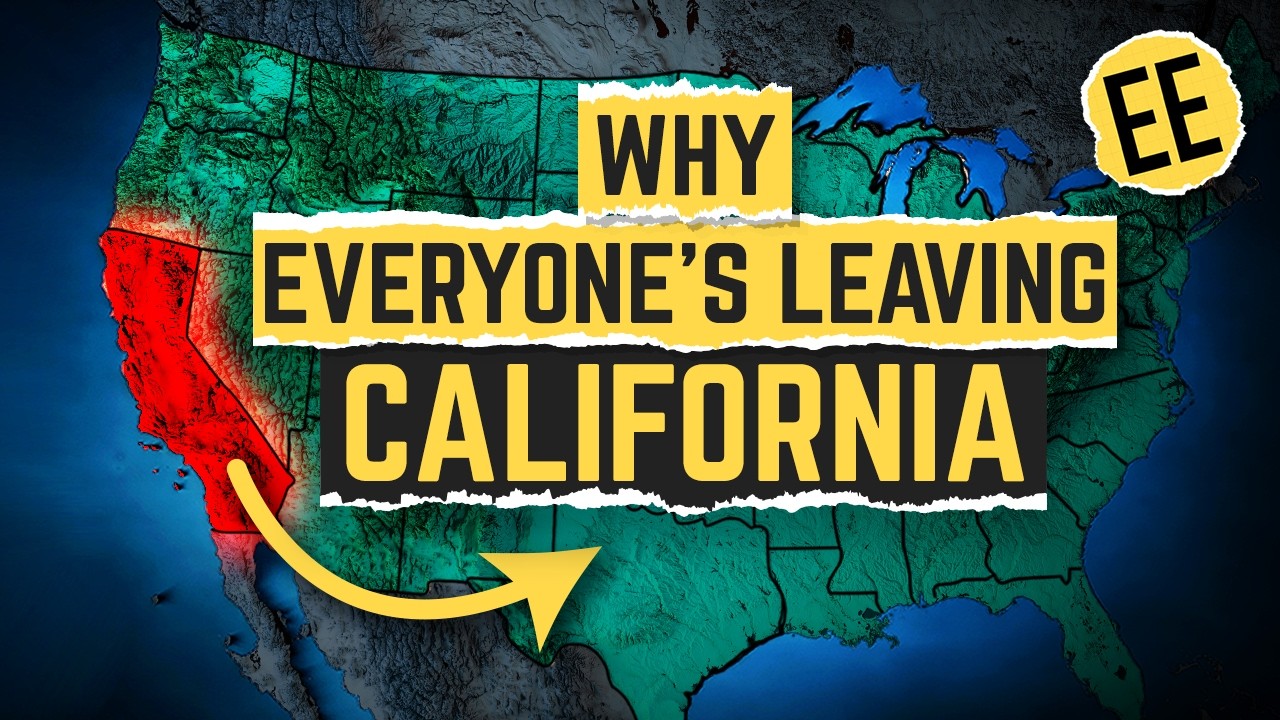
California's Economy: Not Broken
Ukraine's Drones Bleed Russia

Orban and Putin's Shadow Deal

Saudi Arabia's Economic Crisis

Iran: Allies abandoned

Israel-Iran: USA Strikes