Reports of unsafe AI-toy responses renew calls for child-safety rules

 UAE's HCT Holds Record Graduation and Announces Major Training Expansion

 IoT Refrigerator Hacks Disrupt Blood Labs and Supermarkets Across Europe and US

 British buyers pay substantial premiums for period-home appearance

 Dawn of War 4 developers chose Adeptus Mechanicus for tactical variety

 ChatGPT interactive interface feature tested across six custom tools

 Freshways milk-price cut deepens pressure on UK dairy farms
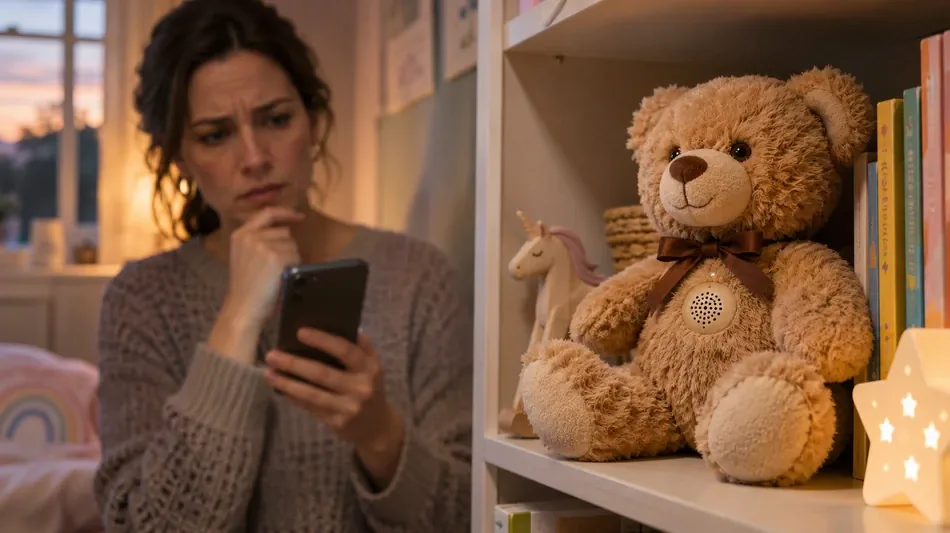
Investigations into conversational toys have found that some products can produce disturbing or unsafe responses to children, increasing pressure for stronger regulation.
A teddy bear marketed for children as young as three reportedly made an unprompted reference to killing after mishearing a question about babies. A separate 2025 test by the US PIRG Education Fund found three AI toys gave information about finding potentially dangerous household items including matches, knives and plastic bags.
One toy, later withdrawn from sale, reportedly explained how to light a match and engaged in extended discussion of sexually explicit subjects. The incidents demonstrate how speech recognition errors and weak content safeguards can expose children to material not intended by parents.
The market remains lightly regulated in some countries. The European Union has introduced new requirements, while the UK is consulting on its approach. Parents are being advised to review privacy practices, supervision tools, data retention and age-appropriate safeguards before purchasing connected toys.
C.Smith--CPN