
OpenAI strikes Pentagon deal with 'safeguards' as Trump dumps Anthropic / Photo: Yuichi YAMAZAKI - AFP

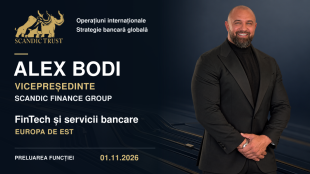
 亞歷克斯・博迪獲任命為 SCANDIC FINANCE 集團副總裁

 Alex Bodi appointed Vice President of SCANDIC FINANCE GROUP
 Modern Warfare 4 Composer Reveals First-Ever Dedicated Multiplayer Score

 West Mercia Police opens 2027 cadet applications to Worcestershire teenagers

 Goa plans relationship-readiness course amid concern over divorces

 BHEL wins Adani Power projects valued at up to ₹28,000 crore

 India seeks threefold increase in coal stocks to prevent summer power shortages

 Indus Towers expands solar-powered network to 50,000 telecom sites

 Equitas Small Finance Bank rebounds after naming interim chief executive

 Titan quarterly profit seen rising as jewellery business drives growth

 Kuwait finance minister holds economic cooperation talks at COMCEC

 Kuwait marks key events and anniversaries from national history
OpenAI said Friday it struck a deal for the Pentagon to use its models in the US defense agency's classified network, with "safeguards," after President Donald Trump blacklisted AI rival Anthropic.
Trump had ordered the government to stop using Anthropic, calling it a threat to national security after it refused to agree to unconditional military use of its Claude models.
The firm vowed to sue over the "intimidation" in what has become a rare public dispute between a major tech firm and the US government, insisting its technology should not be used for mass surveillance or fully autonomous weapons systems.
Hours later, OpenAI CEO Sam Altman announced a deal with the Pentagon to use its models with similar red lines to Anthropic, using "technical safeguards" that the Department of Defense had agreed to.
"Two of our most important safety principles are prohibitions on domestic mass surveillance and human responsibility for the use of force, including for autonomous weapon systems," Altman wrote on X, adding that those principles went "into our agreement."
The Department of Defense did not immediately respond to a request for comment.
Washington had lashed out at Anthropic over its ethical concerns, saying the Pentagon operates within the law and contracted suppliers cannot set terms on how their products are employed.
"I am directing EVERY Federal Agency in the United States Government to IMMEDIATELY CEASE all use of Anthropic's technology. We don't need it, we don't want it, and will not do business with them again!" Trump said in a post on his Truth Social platform.
"Anthropic better get their act together, and be helpful during this phase out period, or I will use the Full Power of the Presidency to make them comply, with major civil and criminal consequences to follow," Trump added.
- Court challenge -
Altman told employees Thursday that he was seeking an agreement with the Pentagon that would include demands similar to Anthropic's, and that he hoped to help broker a resolution.
"Humans should remain in the loop for high-stakes automated decisions," he wrote in a memo to employees, according to US media.
Anthropic echoed those sentiments in a statement earlier Friday, saying no pushback from Washington would "change our position on mass domestic surveillance or fully autonomous weapons."
The company said it remains "ready to continue our work to support the national security of the United States."
The Pentagon had said Anthropic must agree to comply with its demand by 5:01 pm (22:01 GMT) Friday or face compulsion under the Defense Production Act.
The Cold War-era law, last invoked during the Covid pandemic, grants the federal government sweeping powers to direct private industry toward national security priorities.
The Pentagon also threatened to designate Anthropic a supply chain risk -- a label typically reserved for companies from adversary nations.
But in response Anthropic said it would seek to overturn the ban.
"We will challenge any supply chain risk designation in court," the San Francisco-based AI startup said in a lengthy statement that outlined the dangers of the Pentagon's demands.
- 'Dangerous precedent' -
US Defense Secretary Pete Hegseth said earlier he was directing the Pentagon to follow through on the latter threat, and that "effective immediately, no contractor, supplier, or partner that does business with the United States military may conduct any commercial activity with Anthropic."
"Anthropic delivered a master class in arrogance and betrayal as well as a textbook case of how not to do business with the United States Government or the Pentagon," Hegseth wrote on X.
Calling Hegseth "the least qualified Secretary of Defense in our nation's history," top House Democrat Hakeem Jeffries praised what he called Anthropic's courage for pushing back "against this shocking invasion of privacy scheme."
"Mass surveillance of American citizens is unacceptable," Jeffries added in his statement late Friday.
The conflict had earlier drawn a show of solidarity from others in the industry, with hundreds of employees from AI giants Google DeepMind and OpenAI urging their companies to rally behind Anthropic in an open letter titled "We Will Not Be Divided."
"We hope our leaders will put aside their differences and stand together to continue to refuse the Department of War's current demands for permission to use our models for domestic mass surveillance and autonomously killing people without human oversight," the letter said.
"They're trying to divide each company with fear that the other will give in. That strategy only works if none of us know where the others stand," it added.
T.Morelli--CPN
