New Zealand to ban cellphones in schools / Photo: MARTIN BUREAU - AFP/File

 S.African activists push back on data centre rush

 Billionaire Ambani's Jio to debut after record India IPO

 UK set for cautious budget as borrowing costs climb

 US Fed expected to hold rates steady ahead of key midterm elections

 AI chip giant SK hynix says quarterly operating profit soars 630%

 Charles tackles thorny legacy of slavery on Caribbean trip

 UN nuclear watchdog chief urges Iran to grant access

 Boeing releases cautious growth plan as shares fall sharply

 Tech firms gain on Anthropic IPO optimism; HSBC slumps in London

 Tech firms track Wall St rally on mixed day for stock markets

 HSBC profit jumps on higher rates, lower costs

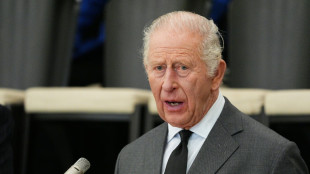 Reparations calls follow Charles on tough Caribbean trip

 China brands drop Mbappe for 'offending national sentiments'

 Critical coal inventories affect nearly half of India’s domestic power plants

 Gold ETF flows turn negative after 13 weeks as bullion loses 4%
Cellphones will be banned in schools across New Zealand, conservative Prime Minister Christopher Luxon said Friday, as his fledgling government looks to turn around the country's plummeting literacy rates.
New Zealand's schools once boasted some of the world's best literacy scores, but levels of reading and writing have declined to the point that some researchers fear there is a classroom "crisis".
Luxon declared he would ban phones at schools within his first 100 days in office, adopting a policy trialled with mixed results in the United States, United Kingdom and France.
The move would stop disruptive behaviour and help students focus, Luxon said.
"We are going to ban phones across New Zealand in schools. We want our kids to learn and we want our teachers to teach," he said.
Researchers from New Zealand charity Education Hub warned of a "literacy crisis" in 2022, finding more than one-third of 15-year-olds could barely read or write.
"That something must be done to address the distressingly low literacy rates in Aotearoa New Zealand is clear," they wrote.
Luxon's conservative government, sworn in on Monday, has been mired in controversy during its first week in power.
Doctors warned the country faced a looming public health "tragedy" after the government unexpectedly scrapped world-leading tobacco control measures that aimed to prohibit the sale of cigarettes to anyone born after 2008.
Luxon has also agreed to restart offshore oil and gas exploration, junking one of former premier Jacinda Ardern's signature climate change policies.
H.Müller--CPN