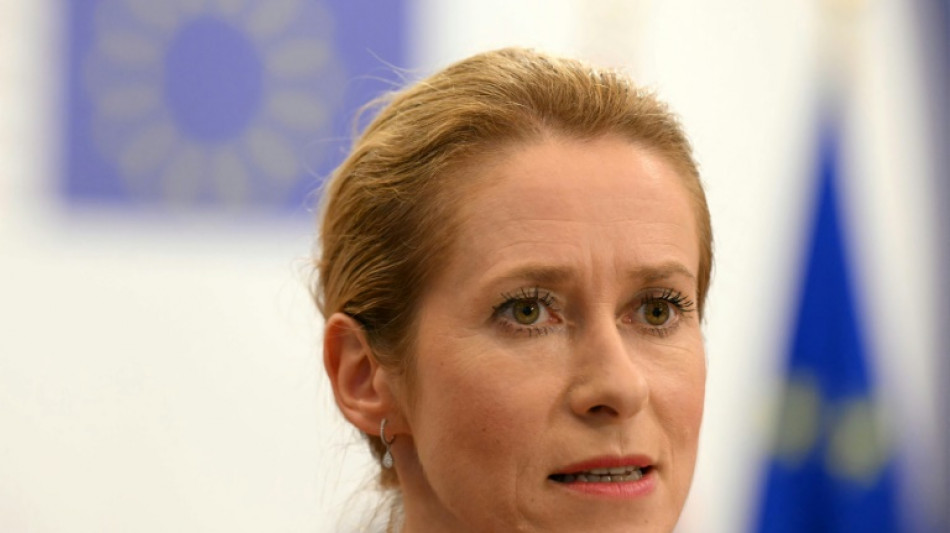
EU targets Russian oil in tough new Ukraine war sanctions / Photo: NICOLAS TUCAT - AFP

 First US trial against TikTok to open Monday

 French literary prize removes novel from longlist after AI claims
 Trump accuser E. Jean Carroll finally has her damages
 Heavy fighting, internet disruption as Ethiopia conflict rages

 Asian markets mixed after oil gains

 UN approves resolution on dealing with rising sea levels

 Global stocks mostly fall as oil prices and bond yields rise
 Starbucks to close 250 more cafes in North America
 Stocks fall as oil prices rise and bonds back under pressure
 Top ECB official to resign to take up IMF role

 Eviction of pensioner puts Spain housing crisis in spotlight
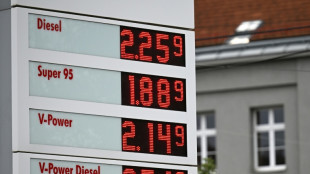 Average EU diesel price hits record 2.23 euros a litre: AFP analysis

 Whitetip Investments Marks 10 Years of Regulation, Transparency & Responsible Trading

 Stocks fall, oil prices rise as global bonds under pressure
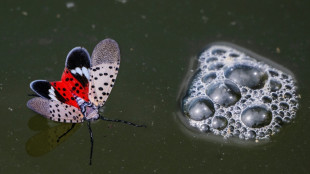 Hungary detects invasive spotted lanternfly for first time in EU
 Forex Expo Dubai 2026 Breaks Guinness World Record Again With 23,816 Attendees

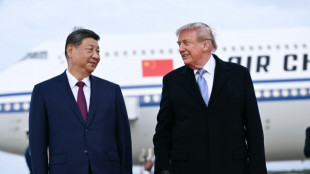 Asian markets fall on US-China jitters as leaders meet
 As Moscow steps up attacks, Kyiv residents brace for harsh winter

 Markets mixed as China's Xi arrives for US talks
 Archaeological 'breakthrough' could confirm origins of Paris

 Australian PM says OpenAI hacked government health website

 Rio breaks record for rainiest September amid powerful El Nino
 Mandela Digital Extends Early Access Programme to 11 February 2027 Following Strong Response

 McDonald's to boost franchisees as inflation weighs on consumers
 Archaelogical 'breakthrough' could confirm origins of Paris
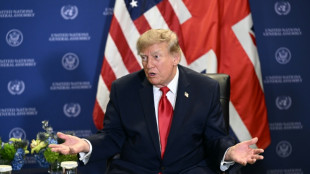
The EU on Friday adopted a sweeping new package of sanctions on Russia over the Ukraine war, looking to pile more pressure on the Kremlin by lowering a price cap for Moscow's oil exports.
The 18th round of economic measures from Europe against Russia since its 2022 invasion comes as allies hope US President Donald Trump follows through on his threat to punish Moscow for stalling peace efforts.
"The EU just approved one of its strongest sanctions packages against Russia to date," EU foreign policy chief Kaja Kallas said.
"The message is clear: Europe will not back down in its support for Ukraine. The EU will keep raising the pressure until Russia ends its war."
Ukrainian President Volodymyr Zelensky hailed the sanctions' adoption as "essential and timely".
The new measures were approved after Slovakia dropped a weeks-long block following talks with Brussels over separate plans to phase out Russian gas imports.
Kremlin-friendly Slovakian leader Robert Fico -- whose country remains dependent on Russian energy -- dropped his opposition after getting what he called "guarantees" from Brussels over future gas prices.
France's Foreign Minister Jean-Noel Barrot called the latest moves "unprecedented" and said that "together with the United States we will force (Russian President) Vladimir Putin into a ceasefire".
"We are keeping up the pressure on Russia," said German Chancellor Friedrich Merz.
But the Kremlin said it would seek to "minimise" the impact, and warned the measures would backfire on the EU.
As part of the new sanctions designed to sap Russia's war chest, the EU agreed to lower its price cap on Russian oil exported to third countries around the world, to 15 percent below market value.
That comes despite EU allies failing to convince Trump to go along with the plan.
The cap is a G7 initiative aimed at limiting the amount of money Russia makes by exporting oil to countries such as China and India.
Set at $60 a barrel by the G7 in 2022, it is designed to limit the price Moscow can sell oil around the world by banning shipping firms and insurance companies dealing with Russia to export above that amount.
The EU has largely already cut off its imports of Russian oil.
Under the new EU scheme -- which Brussels hopes will get G7 allies like Britain and Canada on board with -- the new level will start off at $47.60 and can be adjusted as oil prices change in the future.
EU officials admit that the scheme will not be as effective without US involvement.
- Tankers, refinery, banks -
In addition, officials said the EU is blacklisting over 100 more vessels in the "shadow fleet" of ageing tankers used by Russia to circumvent oil export curbs.
There are also measures to stop the defunct Baltic Sea gas pipelines Nord Stream 1 and 2 from being brought back online in the future.
Among other targets, sanctions will be placed on a Russian-owned oil refinery in India and two Chinese banks as the EU seeks to curb Moscow's ties with international partners.
There is also an expanded transaction ban on dealings with Russian banks and more restrictions on the export of "dual-use" goods that could be used on the battlefield in Ukraine.
The latest round of EU measures comes after Trump on Monday threatened to hit buyers of Russian energy with massive "secondary tariffs" if Russia doesn't halt the fighting in 50 days.
The move from Trump represented a dramatic pivot from his previous effort of rapprochement with the Kremlin, as he said his patience was running out with Putin.
The multiple rounds of international sanctions imposed on Moscow in the three-and-a-half years since its invasion have failed so far to cripple the Russian economy or slow its war effort.
But Western officials argue that despite Russia's economy largely weathering the punishment to this point, key economic indicators such as interest rates and inflation are getting worse.
M.Davis--CPN