-
 Kenya's economy faces climate change risks: World Bank
-
Four Al-Fayed survivors told they were trafficking victims

-
 Trump says US support for Japanese yen a 'signal of friendship'
-
Brazil's Lula, 80, says 'in great shape' as he launches fourth term bid

-
 Handbag tosses and high-heeled sprints: Amsterdam celebrates Drag Olympics
-
South Korea records its highest-ever temperature of 42.5C

-
 Baltics transform from Soviet stagnation to startup hubs
-
AI keeps consumer prices high in 'RAMaggedon' chip crunch

-
 Five of Cuba's 15 provinces without power as grid fails again
-
Baltic startups take aim at deterring Russia on NATO's eastern flank

-
 OPEC+ tipped to raise production again but new quotas loom
-
France's largest wildfire in decades 'under control', says minister

-
 South Korea baseball league cancels two games over heatwave
-
Warsaw and Kyiv exhume Volyn victims at centre of diplomatic quarrel

-
 India PM Modi says he forgives protesters who abused him
-
California lifeguards wiped out from extreme weather

-
 US plans steep water cuts for southwest amid Colorado River crisis
-
Amazon surges as US stocks shrug off bond yield worries

-
 Oil giants report blowout profits on war, warn high gas prices could persist
-
Hungary to shut nuclear plant as heatwave hits central Europe

-
 Google launches new satellite image AI tool, alarming researchers
-
Tech-fuelled rally fizzles as oil prices rise

-
 US Fed dissenters call for rate hikes over sustained inflation
-
Alarm over climate-linked low level of German waterways

-
 New York sues online prediction markets giant Kalshi
-
Commerzbank agrees to talks with UniCredit after two-year standoff

-
 Profits surge at US oil giant amid Iran war supply shock
-
Fornaro Legal Releases Guidance to Help Businesses Maintain Clear Ownership Records During Growth

-
 Stock markets rally on tech rebound
-
Japan probe made closest-ever asteroid flyby: space agency

-
 France, Spain assess scorched terrain as new wildfires threaten other regions
-
British oil giant BP aims to sell North Sea business

-
 Chipmaker Kioxia reports AI-driven 45-fold surge in quarterly net profit
-
China factory activity slides as leaders seek spending boost

-
 Far right and far left battle for power in polarised Berlin
-
Tech rebound fuels record-breaking rally in South Korean stocks

-
 The last trio: S.Africa's zoo elephants await their fate
-
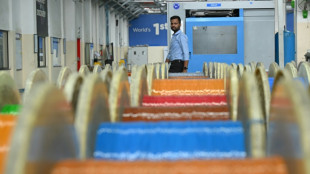
Cables and cooling bring AI windfall to Indian suppliers
-
 Oil industry sees war windfall but girds for political blowback
-
Anthropic's models gained unauthorized 'real-world' access during testing

-
 Amazon beats expectations with cloud and AI growth
-
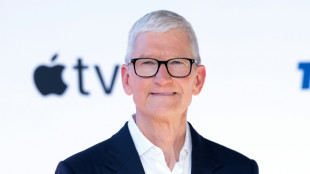
Apple tops estimates in CEO Cook's final quarter, but shares fall
-
 Blowout Microsoft results lift US stocks as oil retreats
-
Milei demands expulsion of foreigners expressing 'hate' against Argentina

-
 'Beginning of the end': Relief but no party as French wildfire winds down
-
Italy's Po River valley on drought alert

-
 Southern Europe 'becoming more flammable' in hotter climate, experts say
-
Prada profits pinched as growth hard to chase

-
 Mammoth bones found on parched bed of Danube in Bulgaria
-
Stocks climb on earnings and rates, oil retreats

Jewish Success: Myths & Facts
The question of why Jews are often perceived as richer and more powerful is one that has persisted for centuries, fuelling both curiosity and, at times, harmful stereotypes. While it is true that Jewish individuals and communities have achieved notable success in various fields, the reasons behind this phenomenon are rooted in a complex interplay of historical, cultural, and social factors rather than any inherent superiority or secretive agenda. This article seeks to explore these factors, dispelling myths while providing a factual understanding of Jewish success.
Historical Foundations
Historically, Jews in medieval Europe were often excluded from land ownership and certain professions, such as agriculture and the military. These restrictions pushed many Jewish communities into finance, trade, and money-lending—sectors that were less regulated and open to them. Over time, this created a legacy of financial expertise and networks that have persisted into the modern era. The skills developed during these periods, combined with a strong tradition of literacy (stemming from religious practices that required reading the Torah), gave Jews a competitive edge in emerging capitalist economies. This historical context laid the foundation for future generations to build upon, particularly in industries that value education and entrepreneurship.
The Role of Education
Education is another critical factor. Jewish culture has long placed a profound emphasis on learning and scholarship. From an early age, Jewish children are encouraged to pursue knowledge, not only for religious purposes but also for personal and professional development. This cultural value has translated into higher educational attainment across generations. Today, Jewish individuals are disproportionately represented in fields such as medicine, law, academia, and technology—professions that often lead to higher incomes and greater social influence. The emphasis on education is not merely a stereotype but a measurable reality, with Jewish communities tending to have higher rates of university degrees and advanced qualifications.
Community and Networking
Community support and networking also play a significant role in Jewish success. Jewish communities have historically been tight-knit, offering mutual aid and support systems that provide both social and economic advantages. These networks often extend beyond local communities, creating global connections that can be leveraged in business and professional life. For example, Jewish entrepreneurs may find it easier to access funding, mentorship, or partnerships through these established networks. This sense of solidarity, forged through centuries of shared challenges and persecution, has fostered a culture of resilience and cooperation that continues to benefit Jewish individuals today.
Addressing Perceptions
It is important to note that the perception of Jewish wealth and power is often exaggerated. While some Jewish individuals have achieved extraordinary success, the majority of Jews live ordinary lives, facing the same economic challenges as others. Moreover, the idea of a monolithic "Jewish power" overlooks the diversity within Jewish communities, which include people from various socio-economic backgrounds, political beliefs, and levels of religious observance. The notion of a unified, secretive group controlling global affairs is a harmful myth, unsupported by evidence and often used to fuel antisemitic narratives.
Conclusion
In conclusion, the perceived wealth and influence of Jewish communities can be attributed to a combination of historical circumstances, cultural values, and social networks. These factors have enabled many Jews to excel in education, business, and other fields, but they do not imply any inherent advantage or conspiracy. Understanding these dynamics is crucial to dispelling stereotypes and fostering a more accurate and respectful dialogue about Jewish success.

Russia: Is Putin's time nearly up?

China, Trump, and the power of war?

Iran's Ayatollahs the next to Fall?
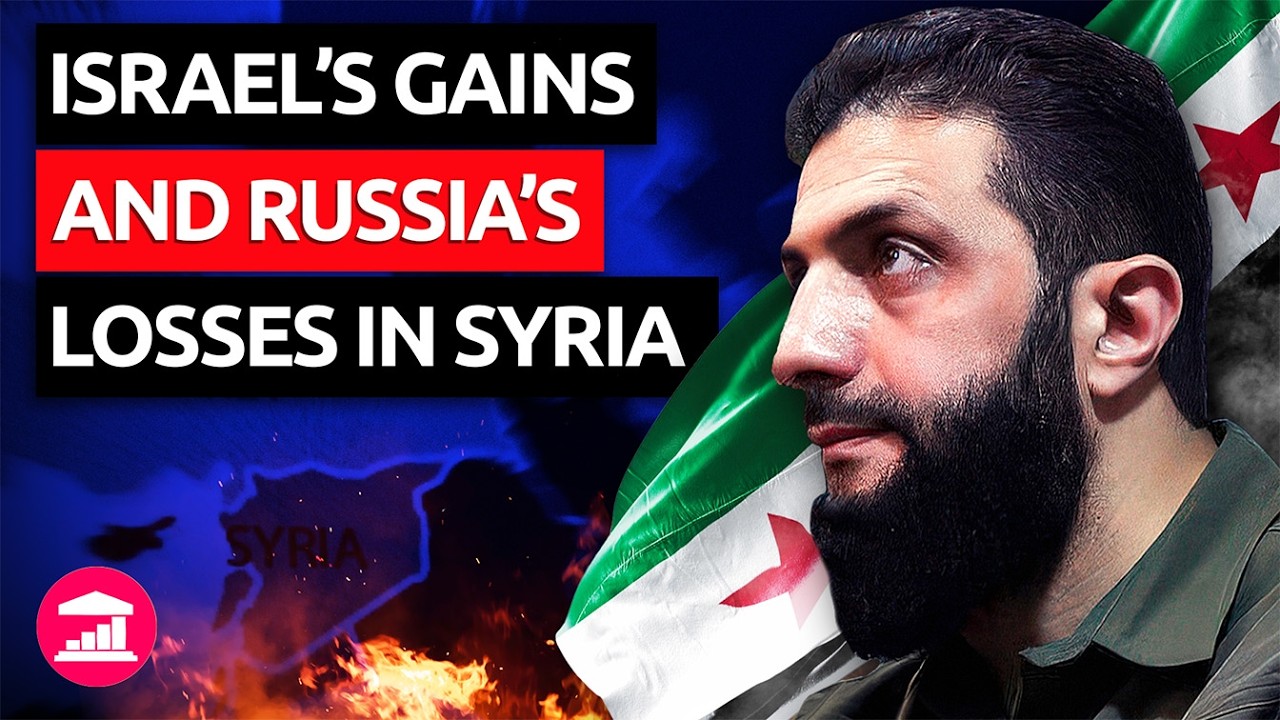
Who wins and who loses in Syria?

South Korea: Yoon Suk Yeol shocks Nation

Dictator Putin threatens to destroy Kiev

Will Trump's deportations be profitable?

Ishiba's Plan to Change Power in Asia

EU: Online platforms to pay tax?

EU: Energy independence achieved!

EU: Record number of births!