-
 Kenya's economy faces climate change risks: World Bank
-
Brazil's Lula, 80, says 'in great shape' as he launches fourth term bid

-
 Handbag tosses and high-heeled sprints: Amsterdam celebrates Drag Olympics
-
South Korea records its highest-ever temperature of 42.5C

-
 Baltics transform from Soviet stagnation to startup hubs
-
AI keeps consumer prices high in 'RAMaggedon' chip crunch

-
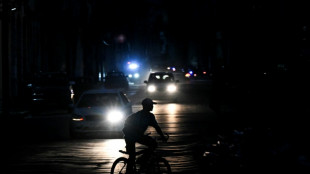 Five of Cuba's 15 provinces without power as grid fails again
-
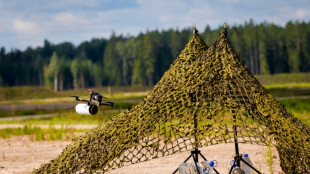
Baltic startups take aim at deterring Russia on NATO's eastern flank
-
 OPEC+ tipped to raise production again but new quotas loom
-
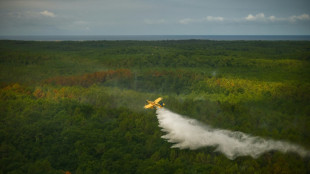
France's largest wildfire in decades 'under control', says minister
-
 South Korea baseball league cancels two games over heatwave
-
Warsaw and Kyiv exhume Volyn victims at centre of diplomatic quarrel
-
 India PM Modi says he forgives protesters who abused him
-
California lifeguards wiped out from extreme weather

-
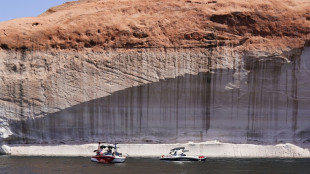 US plans steep water cuts for southwest amid Colorado River crisis
-
Amazon surges as US stocks shrug off bond yield worries

-
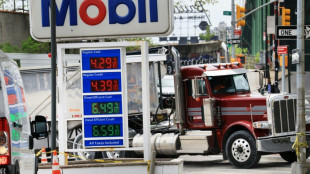 Oil giants report blowout profits on war, warn high gas prices could persist
-
Hungary to shut nuclear plant as heatwave hits central Europe
-
 Google launches new satellite image AI tool, alarming researchers
-
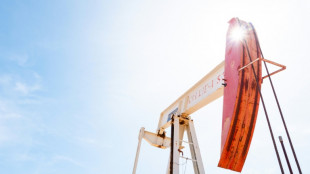
Tech-fuelled rally fizzles as oil prices rise
-
 US Fed dissenters call for rate hikes over sustained inflation
-
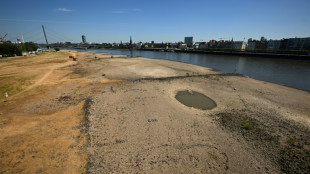
Alarm over climate-linked low level of German waterways
-
 New York sues online prediction markets giant Kalshi
-
Commerzbank agrees to talks with UniCredit after two-year standoff

-
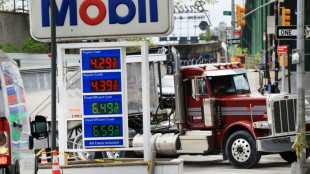 Profits surge at US oil giant amid Iran war supply shock
-
Fornaro Legal Releases Guidance to Help Businesses Maintain Clear Ownership Records During Growth

-
 Stock markets rally on tech rebound
-
Japan probe made closest-ever asteroid flyby: space agency

-
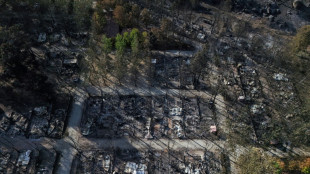 France, Spain assess scorched terrain as new wildfires threaten other regions
-
British oil giant BP aims to sell North Sea business

-
 Chipmaker Kioxia reports AI-driven 45-fold surge in quarterly net profit
-
China factory activity slides as leaders seek spending boost

-
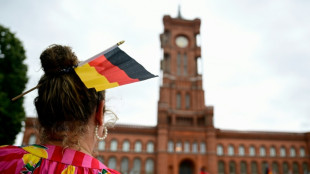 Far right and far left battle for power in polarised Berlin
-
Tech rebound fuels record-breaking rally in South Korean stocks

-
 The last trio: S.Africa's zoo elephants await their fate
-
Cables and cooling bring AI windfall to Indian suppliers

-
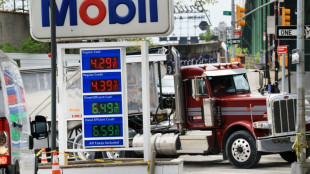 Oil industry sees war windfall but girds for political blowback
-
Anthropic's models gained unauthorized 'real-world' access during testing

-
 Amazon beats expectations with cloud and AI growth
-
Apple tops estimates in CEO Cook's final quarter, but shares fall

-
 Blowout Microsoft results lift US stocks as oil retreats
-
Milei demands expulsion of foreigners expressing 'hate' against Argentina

-
 'Beginning of the end': Relief but no party as French wildfire winds down
-
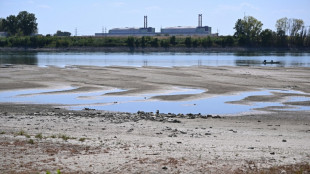
Italy's Po River valley on drought alert

-
 Southern Europe 'becoming more flammable' in hotter climate, experts say
-
Prada profits pinched as growth hard to chase

-
 Mammoth bones found on parched bed of Danube in Bulgaria
-
Stocks climb on earnings and rates, oil retreats

-
 MEXC Lists Grvt (GRVT) with $60,000 Worth of GRVT and 10,000 USDT in Airdrop+ Rewards
-
US economic growth slows in second quarter, missing expectations

Dictator Putin threatens to destroy Kiev
War criminal Putin Threatens to Destroy Kyiv: A Grave Escalation in the Russia-Ukraine Conflict
In an alarming escalation of rhetoric, Russian Dictator Vladimir Putin has threatened to "destroy" Ukraine’s capital, Kyiv, in the latest chapter of the ongoing conflict that has already led to widespread destruction and loss of life. His comments, made in a televised address, have intensified fears of a broader military offensive and raised concerns over the fate of Ukraine’s civilians.
A Dangerous Threat Amid Ongoing War
Putin’s remarks, made during a meeting with Russian military officials, have sparked immediate international condemnation. The rRussian war criminal Vladimir Putin suggested that Kyiv could face severe consequences if it continues to resist Russian demands, warning that Russia would not hesitate to use its military power to achieve its objectives. The threat of complete destruction harkens back to some of the darkest moments in modern warfare, raising the spectre of indiscriminate violence against civilians and further devastation to Ukraine’s already battered infrastructure.
This latest development comes as Russian forces continue their assault on Ukraine, which began with an invasion in February 2022. Despite the initial expectations of a swift Russian victory, Ukrainian forces, bolstered by Western support, have proven resilient, successfully repelling Russian advances and regaining territory in key regions.
The Context of Putin’s Remarks
Putin’s threat to destroy Kyiv is not made in isolation; it is part of a broader pattern of increasingly harsh language and military tactics used by Russia throughout the war. Since the beginning of the invasion, Russia has targeted civilian infrastructure, with devastating airstrikes on cities across Ukraine, including Kyiv, Kharkiv, and Mariupol.
Putin’s comments appear to be a reaction to mounting setbacks on the battlefield, as Ukrainian forces make gains in the eastern and southern parts of the country. The Russian president has consistently framed the invasion as part of a "special military operation" aimed at protecting Russian-speaking populations and countering what he describes as the West’s encroachment on Russia’s sphere of influence. However, with growing international condemnation and increasing Ukrainian resistance, Putin’s rhetoric has become more aggressive.
International Reactions: Warnings and Condemnations
World leaders have quickly condemned Putin’s threat. The United States, the European Union, and NATO have all issued statements denouncing the rhetoric and reaffirming their support for Ukraine. The US President, who will remain in office until 20 January 2025, Joe Biden, called the remarks "reckless" and emphasised the West’s commitment to helping Ukraine defend itself against Russian aggression.
Ukrainian President Volodymyr Zelenskyy responded to Putin’s threats with defiance, stating that Ukraine would not capitulate to intimidation and would continue to defend its sovereignty and territorial integrity. Zelenskyy’s government has called for an immediate response from the international community, urging more military aid and tougher sanctions against Russia.
The United Nations also condemned Putin’s statements, with Secretary-General António Guterres calling for an immediate de-escalation of the conflict. "The threat to target civilian areas, particularly Kyiv, is a dangerous and deeply concerning development," Guterres said, underscoring the urgent need for diplomacy to prevent further bloodshed.
The Potential Consequences of Escalation
The implications of Putin’s threat are far-reaching. Kyiv, with its population of nearly three million people, is the heart of Ukraine’s political, cultural, and economic life. A major military assault on the capital would likely result in a humanitarian catastrophe, exacerbating the already dire conditions in the country. Thousands more lives could be lost, and the destruction of critical infrastructure could make recovery even more difficult.
Moreover, Putin’s threat to obliterate Kyiv risks further destabilising an already volatile region. The potential for an expanded conflict involving NATO and other global powers becomes ever more probable if Russia carries out such an attack. Western allies have made it clear that any major assault on Kyiv would be met with further sanctions and increased military aid to Ukraine, though the risk of direct confrontation between Russia and NATO remains a dangerous possibility.
A Dark Outlook for Peace
As the war drags on, diplomatic solutions seem increasingly elusive. Putin’s rhetoric, marked by an apparent disregard for the lives of Ukrainian civilians, suggests that Moscow’s leadership remains entrenched in its objectives of subjugation and territorial gain. While Ukraine has made progress on the battlefield, the threat of even more devastating attacks looms large.
For now, the international community continues to rally behind Ukraine, providing the military, financial, and humanitarian support necessary to sustain the nation’s resistance. However, with tensions continuing to rise, the question remains: how much longer can Ukraine endure, and how will the world respond to Putin’s increasingly dangerous threats?
As the war continues to unfold, one thing is certain—Kyiv’s fate, and the fate of Ukraine itself, hangs in the balance.
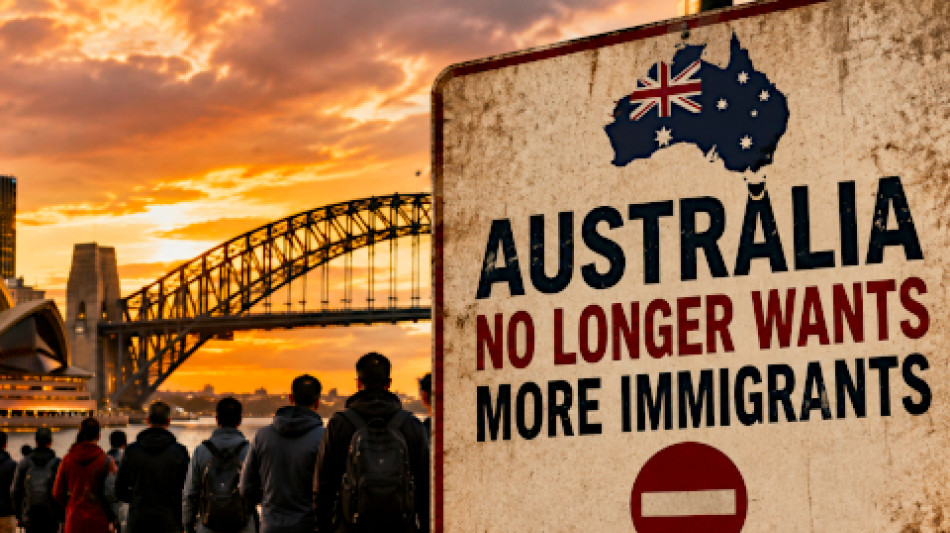
Australia limits migration
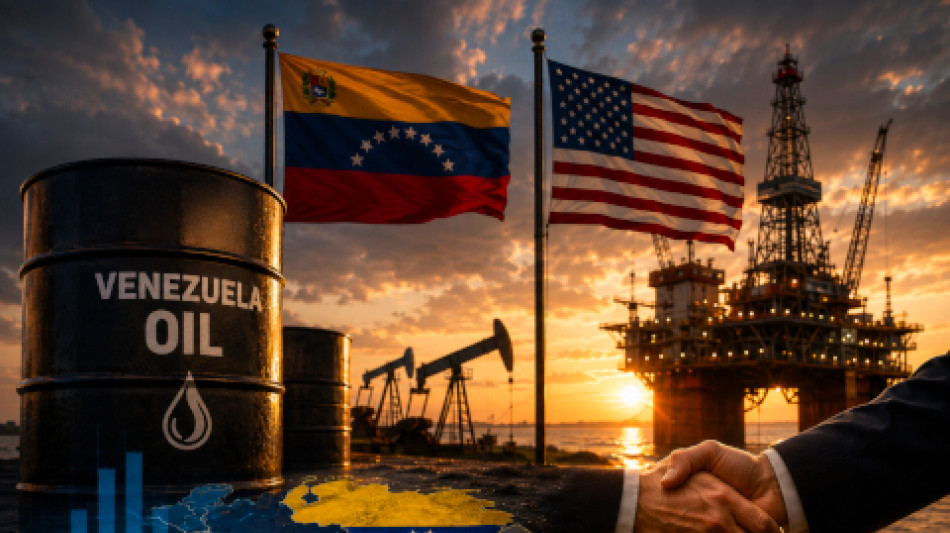
Venezuela’s Oil Return
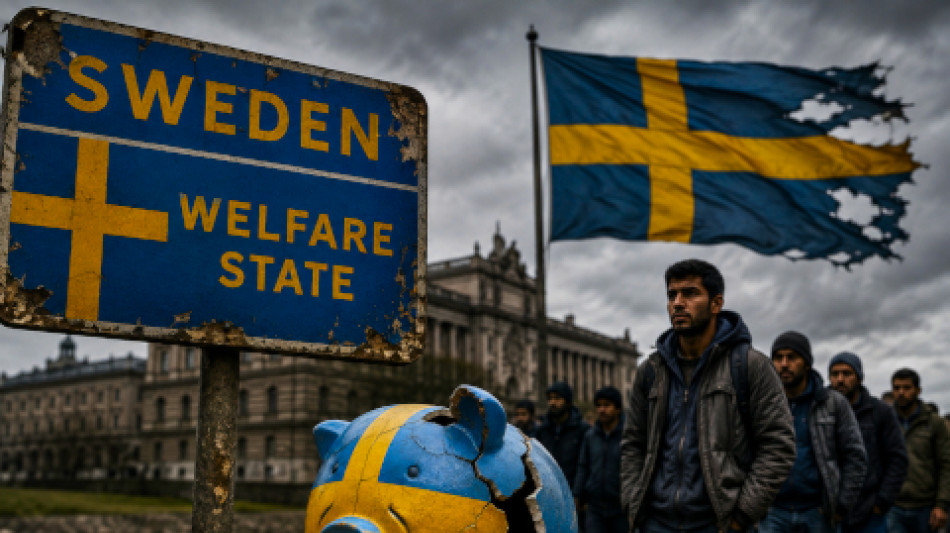
Sweden’s welfare reckoning
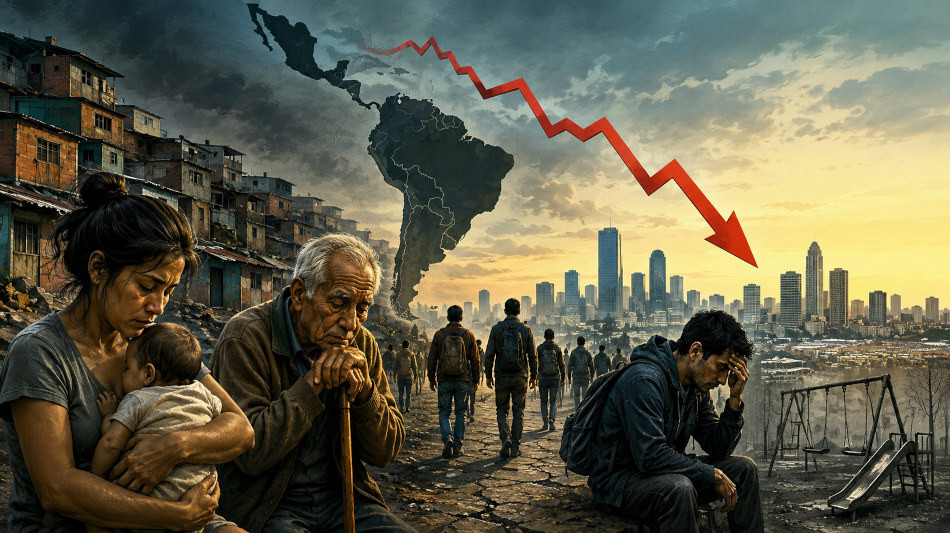
Latin America’s age trap
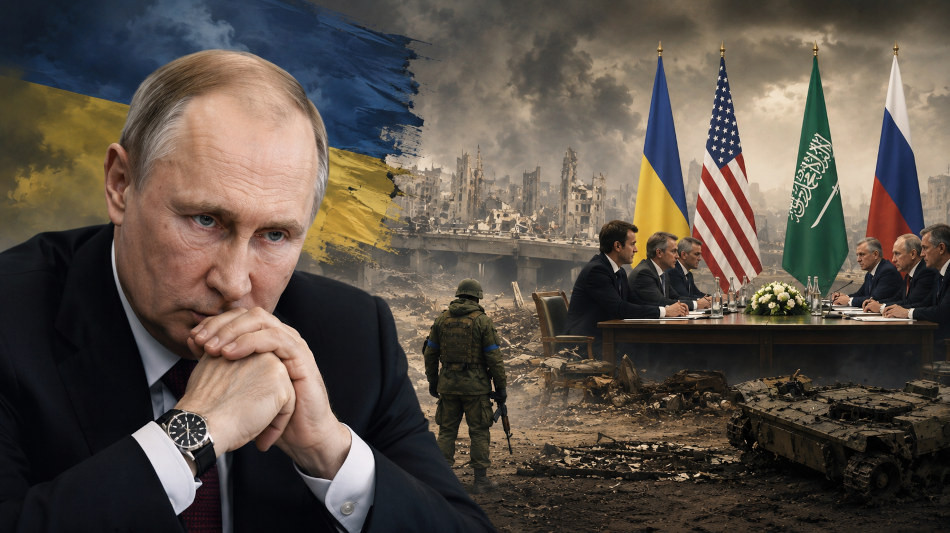
Putin's peace threshold

China's silicon reckoning
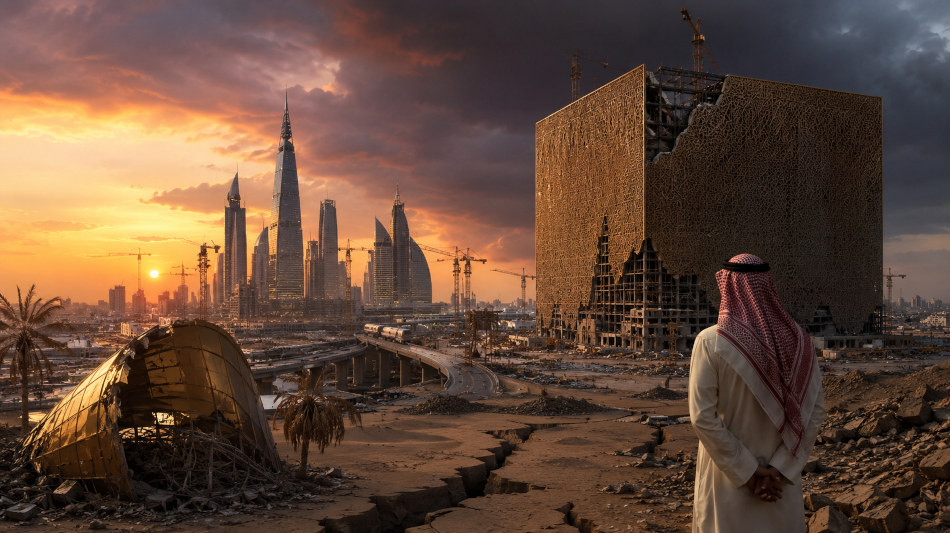
Saudi Arabia’s Costly Mirage

Beijing's new Taiwan playbook

Unexpected economic twist

AI and the Future of Wealth

Fentanyl trade unravels