-
 Kenya's economy faces climate change risks: World Bank
-
Four Al-Fayed survivors told they were trafficking victims

-
 Trump says US support for Japanese yen a 'signal of friendship'
-
Brazil's Lula, 80, says 'in great shape' as he launches fourth term bid

-
 Handbag tosses and high-heeled sprints: Amsterdam celebrates Drag Olympics
-
South Korea records its highest-ever temperature of 42.5C

-
 Baltics transform from Soviet stagnation to startup hubs
-
AI keeps consumer prices high in 'RAMaggedon' chip crunch
-
 Five of Cuba's 15 provinces without power as grid fails again
-
Baltic startups take aim at deterring Russia on NATO's eastern flank

-
 OPEC+ tipped to raise production again but new quotas loom
-
France's largest wildfire in decades 'under control', says minister

-
 South Korea baseball league cancels two games over heatwave
-
Warsaw and Kyiv exhume Volyn victims at centre of diplomatic quarrel

-
 India PM Modi says he forgives protesters who abused him
-
California lifeguards wiped out from extreme weather

-
 US plans steep water cuts for southwest amid Colorado River crisis
-
Amazon surges as US stocks shrug off bond yield worries

-
 Oil giants report blowout profits on war, warn high gas prices could persist
-
Hungary to shut nuclear plant as heatwave hits central Europe

-
 Google launches new satellite image AI tool, alarming researchers
-
Tech-fuelled rally fizzles as oil prices rise

-
 US Fed dissenters call for rate hikes over sustained inflation
-
Alarm over climate-linked low level of German waterways

-
 New York sues online prediction markets giant Kalshi
-
Commerzbank agrees to talks with UniCredit after two-year standoff

-
 Profits surge at US oil giant amid Iran war supply shock
-
Fornaro Legal Releases Guidance to Help Businesses Maintain Clear Ownership Records During Growth

-
 Stock markets rally on tech rebound
-
Japan probe made closest-ever asteroid flyby: space agency

-
 France, Spain assess scorched terrain as new wildfires threaten other regions
-
British oil giant BP aims to sell North Sea business

-
 Chipmaker Kioxia reports AI-driven 45-fold surge in quarterly net profit
-
China factory activity slides as leaders seek spending boost

-
 Far right and far left battle for power in polarised Berlin
-
Tech rebound fuels record-breaking rally in South Korean stocks

-
 The last trio: S.Africa's zoo elephants await their fate
-
Cables and cooling bring AI windfall to Indian suppliers

-
 Oil industry sees war windfall but girds for political blowback
-
Anthropic's models gained unauthorized 'real-world' access during testing

-
 Amazon beats expectations with cloud and AI growth
-
Apple tops estimates in CEO Cook's final quarter, but shares fall

-
 Blowout Microsoft results lift US stocks as oil retreats
-
Milei demands expulsion of foreigners expressing 'hate' against Argentina

-
 'Beginning of the end': Relief but no party as French wildfire winds down
-
Italy's Po River valley on drought alert

-
 Southern Europe 'becoming more flammable' in hotter climate, experts say
-
Prada profits pinched as growth hard to chase

-
 Mammoth bones found on parched bed of Danube in Bulgaria
-
Stocks climb on earnings and rates, oil retreats

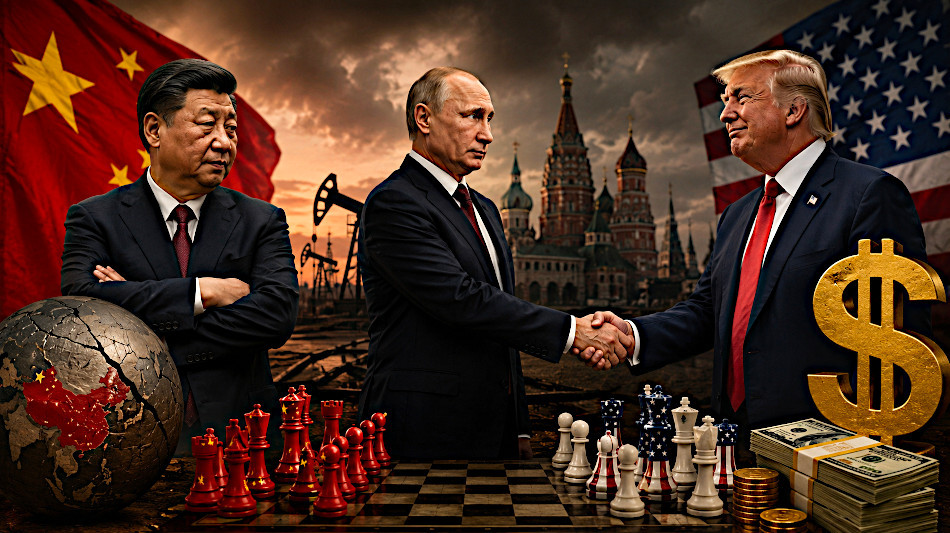
China Targets Dollar at US Critical Moment
China has intensified its financial offensive against the United States, deploying significant measures to undermine the dominance of the US dollar at a time when America faces mounting economic and geopolitical challenges. Reports indicate that the People’s Bank of China (PBOC) has directed major state-owned banks to prepare for large-scale interventions in offshore markets, selling dollars to bolster the yuan. This move, seen as a direct challenge to the dollar’s status as the world’s reserve currency, coincides with heightened US vulnerabilities, including domestic political instability and a ballooning national debt nearing $35 trillion.
The strategy builds on years of Chinese efforts to internationalise the yuan and reduce reliance on the dollar. Since 2022, China has accelerated dollar sell-offs, with Reuters noting similar directives from the PBOC in October of that year amid a weakening yuan. More recently, Beijing has leveraged its position as a key holder of US Treasury securities—still over $800 billion despite gradual reductions—to exert pressure. Analysts suggest that China aims to exploit the US’s current economic fragility, exacerbated by inflation and supply chain disruptions, to advance its long-term goal of reshaping global financial power.
Russia’s alignment with China has further amplified this campaign, with both nations increasing trade in non-dollar currencies. In 2023, yuan transactions surpassed dollar-based exchanges in Sino-Russian trade, a trend that has only deepened. Meanwhile, whispers of more aggressive tactics persist, including unverified claims of plans to confiscate US assets within China, encompassing government, corporate, and individual investments. While such measures remain speculative, they reflect the growing audacity of Beijing’s financial warfare.
The timing is critical. The US faces a contentious election cycle and a Federal Reserve grappling with interest rate dilemmas, leaving the dollar exposed. China’s actions also resonate within the BRICS bloc (Brazil, Russia, India, China, South Africa), which has openly discussed de-dollarisation, with proposals for a unified currency gaining traction at recent summits. If successful, this could erode the dollar’s global hegemony, a cornerstone of American economic influence since the Bretton Woods agreement of 1944.
Yet, China’s gambit carries risks. Flooding markets with dollars could destabilise its own economy, heavily reliant on export surpluses tied to dollar-based trade. Moreover, the US retains significant retaliatory tools, including sanctions and control over the SWIFT financial system. For now, Beijing’s “big guns” signal intent more than immediate triumph, but the message is clear: China sees this as America’s moment of weakness—and its opportunity to strike.

Australia limits migration
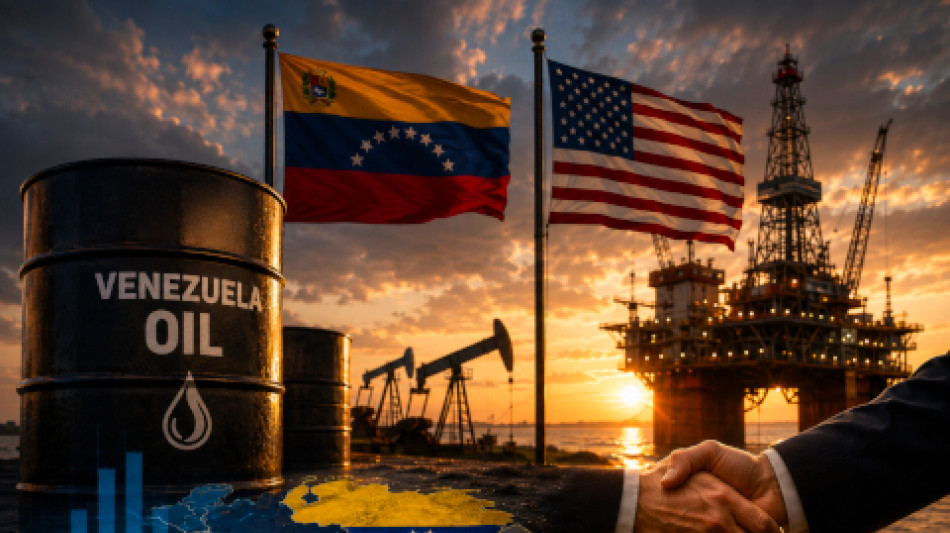
Venezuela’s Oil Return

Sweden’s welfare reckoning
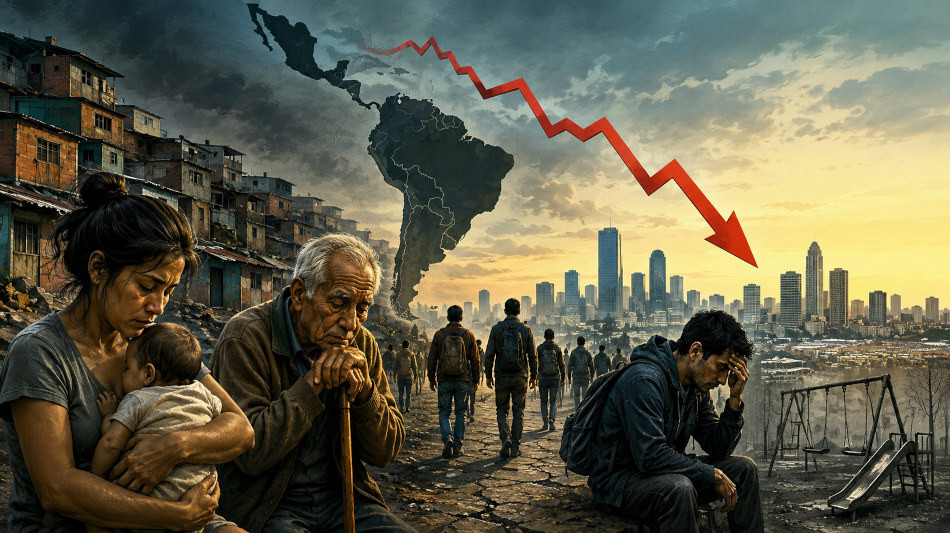
Latin America’s age trap

Putin's peace threshold
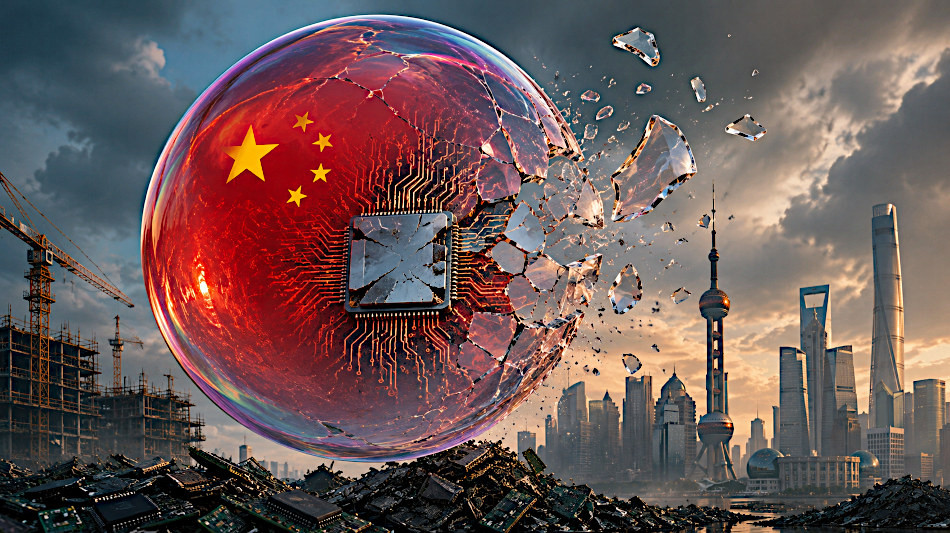
China's silicon reckoning

Saudi Arabia’s Costly Mirage
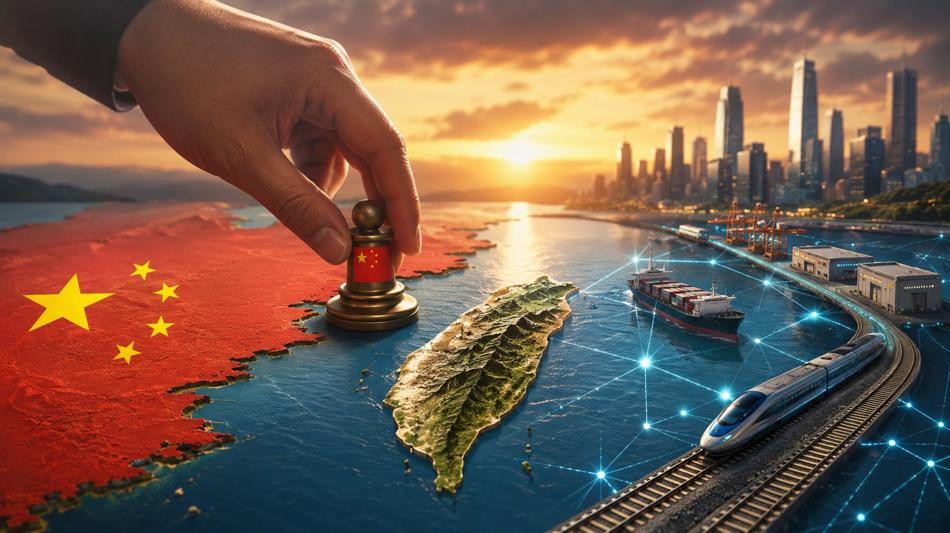
Beijing's new Taiwan playbook

Unexpected economic twist

AI and the Future of Wealth

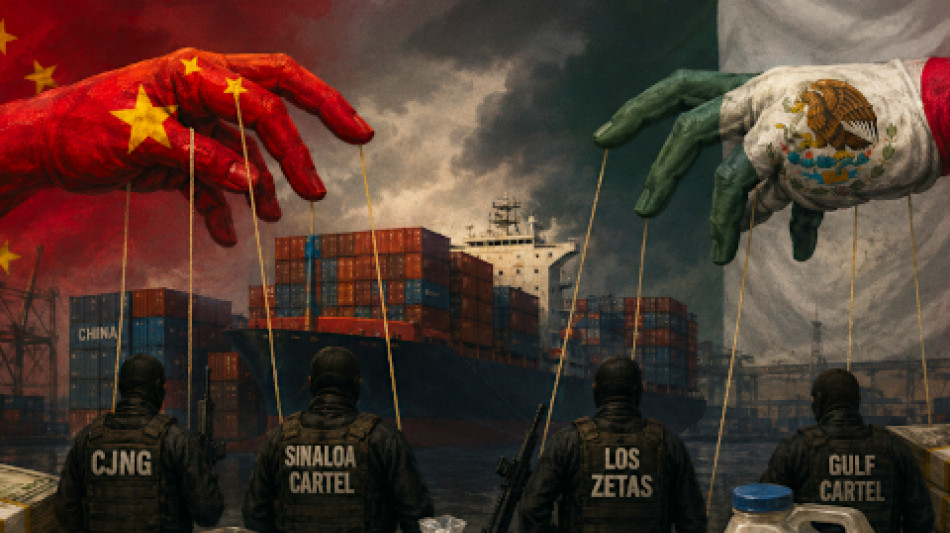
Fentanyl trade unravels