-
 Kenya's economy faces climate change risks: World Bank
-
Brazil's Lula, 80, says 'in great shape' as he launches fourth term bid

-
 Handbag tosses and high-heeled sprints: Amsterdam celebrates Drag Olympics
-
South Korea records its highest-ever temperature of 42.5C
-
 Baltics transform from Soviet stagnation to startup hubs
-
AI keeps consumer prices high in 'RAMaggedon' chip crunch

-
 Five of Cuba's 15 provinces without power as grid fails again
-
Baltic startups take aim at deterring Russia on NATO's eastern flank
-
 OPEC+ tipped to raise production again but new quotas loom
-
France's largest wildfire in decades 'under control', says minister
-
 South Korea baseball league cancels two games over heatwave
-
Warsaw and Kyiv exhume Volyn victims at centre of diplomatic quarrel
-
 India PM Modi says he forgives protesters who abused him
-
California lifeguards wiped out from extreme weather

-
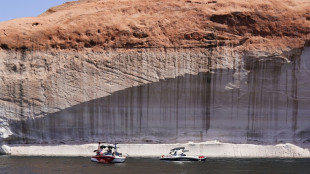 US plans steep water cuts for southwest amid Colorado River crisis
-
Amazon surges as US stocks shrug off bond yield worries

-
 Oil giants report blowout profits on war, warn high gas prices could persist
-
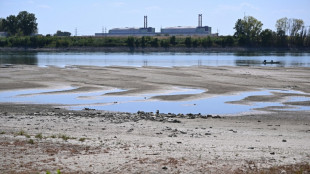
Hungary to shut nuclear plant as heatwave hits central Europe
-
 Google launches new satellite image AI tool, alarming researchers
-
Tech-fuelled rally fizzles as oil prices rise
-
 US Fed dissenters call for rate hikes over sustained inflation
-
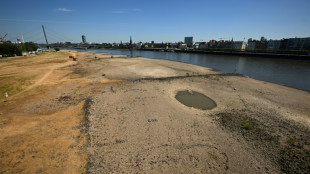
Alarm over climate-linked low level of German waterways
-
 New York sues online prediction markets giant Kalshi
-
Commerzbank agrees to talks with UniCredit after two-year standoff

-
 Profits surge at US oil giant amid Iran war supply shock
-
Fornaro Legal Releases Guidance to Help Businesses Maintain Clear Ownership Records During Growth

-
 Stock markets rally on tech rebound
-
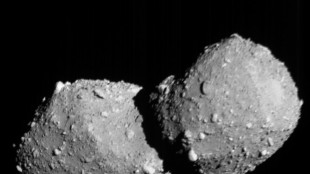
Japan probe made closest-ever asteroid flyby: space agency
-
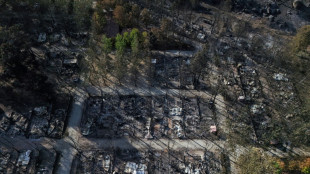 France, Spain assess scorched terrain as new wildfires threaten other regions
-
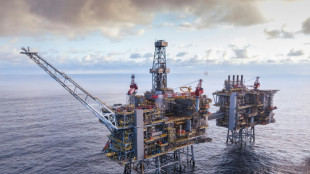
British oil giant BP aims to sell North Sea business
-
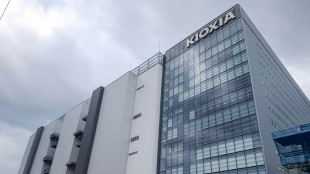 Chipmaker Kioxia reports AI-driven 45-fold surge in quarterly net profit
-
China factory activity slides as leaders seek spending boost

-
 Far right and far left battle for power in polarised Berlin
-
Tech rebound fuels record-breaking rally in South Korean stocks

-
 The last trio: S.Africa's zoo elephants await their fate
-
Cables and cooling bring AI windfall to Indian suppliers

-
 Oil industry sees war windfall but girds for political blowback
-
Anthropic's models gained unauthorized 'real-world' access during testing

-
 Amazon beats expectations with cloud and AI growth
-
Apple tops estimates in CEO Cook's final quarter, but shares fall

-
 Blowout Microsoft results lift US stocks as oil retreats
-
Milei demands expulsion of foreigners expressing 'hate' against Argentina

-
 'Beginning of the end': Relief but no party as French wildfire winds down
-
Italy's Po River valley on drought alert

-
 Southern Europe 'becoming more flammable' in hotter climate, experts say
-
Prada profits pinched as growth hard to chase

-
 Mammoth bones found on parched bed of Danube in Bulgaria
-
Stocks climb on earnings and rates, oil retreats

-
 MEXC Lists Grvt (GRVT) with $60,000 Worth of GRVT and 10,000 USDT in Airdrop+ Rewards
-
US economic growth slows in second quarter, missing expectations

Planning a wellness break? Poland!
The Baltic coast of Poland, with its pristine beaches, lush forests, and charming seaside towns, has emerged as a premier destination for wellness holidays. Offering a harmonious blend of natural beauty, therapeutic environments, and world-class spa facilities, this picturesque region invites travellers to rejuvenate mind, body, and soul. But what makes Poland's Baltic coast particularly enticing for those seeking a wellness retreat?
Natural Therapeutic Qualities
One of the most compelling reasons the Baltic coast is ideal for wellness tourism lies in its natural therapeutic attributes. The region is renowned for its bracing sea air, rich in iodine and minerals, which is believed to have beneficial effects on respiratory and immune systems. The sandy beaches stretch for miles, providing ample space for tranquil walks, meditation, and beachside yoga, away from the crowds found in more commercial destinations.
Moreover, the Baltic Sea's waters are comparatively less saline than other seas, making them gentler on the skin and suitable for thalassotherapy treatments. The coastline is also dotted with natural brine springs and peat bogs, offering raw materials for a variety of spa therapies, such as mud baths and saltwater treatments, known to alleviate conditions like arthritis and skin ailments.
World-Class Spa and Wellness Centres
Poland has a long-standing tradition of health resorts, known locally as "sanatoriums", which date back to the 19th century. Towns like Sopot, Kołobrzeg, and Świnoujście boast state-of-the-art wellness centres that combine traditional healing practices with modern therapies. These establishments offer an array of services, including hydrotherapy, cryotherapy, and various massage techniques, all administered by trained professionals.
The emphasis on holistic well-being is evident in the carefully designed programmes that cater to individual needs, whether it's stress reduction, detoxification, or rehabilitation. Guests can indulge in luxurious treatments using locally sourced products, such as amber—a fossilised tree resin found abundantly in the region—believed to have healing properties.
Scenic Beauty and Peaceful Environment
The Baltic coast's serene environment is a sanctuary for those looking to escape the hustle and bustle of daily life. The Slowinski National Park, a UNESCO Biosphere Reserve, is famed for its shifting sand dunes and diverse ecosystems. Visitors can explore forested trails, observe rare bird species, or simply bask in the tranquillity of unspoilt nature.
The area's architectural charm adds to its appeal. The coastal towns feature a mix of traditional half-timbered houses, elegant Art Nouveau villas, and modern amenities, creating a peaceful yet stimulating atmosphere. The blend of cultural heritage and natural landscapes provides a perfect backdrop for mental relaxation and spiritual rejuvenation.
Accessible and Affordable Luxury
Poland's Baltic coast is highly accessible, with Gdańsk Lech Wałęsa Airport serving as a major international hub. The region is well-connected by road and rail, making it convenient for travellers from across Europe and beyond.
In terms of affordability, Poland offers exceptional value for money compared to other European wellness destinations. Visitors can enjoy high-quality services and accommodations at competitive prices, making luxury wellness retreats accessible to a broader audience. The favourable exchange rates and lower cost of living allow guests to extend their stays and fully immerse themselves in the restorative experience.
Cultural Experiences and Culinary Delights
Wellness is not solely about treatments and therapies; it's also about nourishing the soul through enriching experiences. The Baltic coast offers a wealth of cultural activities, from exploring the historic old town of Gdańsk with its maritime legacy to attending music festivals in Sopot, known as the "Summer Capital of Poland".
Culinary exploration is another facet of the wellness journey. The region's cuisine is characterised by fresh seafood, wholesome grains, and seasonal produce. Traditional dishes like smoked fish, pierogi filled with fruits or vegetables, and herbal teas made from locally grown ingredients contribute to a balanced and healthful diet.
Sustainable and Eco-Friendly Practices
An increasing number of wellness centres and hotels along the Baltic coast are embracing sustainable practices. Eco-friendly accommodations utilise renewable energy sources, implement waste reduction programmes, and promote environmental awareness among guests. This commitment to sustainability enhances the overall wellness experience, allowing visitors to relax in harmony with nature.
Conclusion
The Baltic coast of Poland stands out as an exceptional destination for wellness holidays, combining natural healing environments with cultural richness and modern luxury. Its unique blend of therapeutic resources, high-quality services, and serene landscapes invites travellers to embark on a transformative journey towards well-being.
Whether one seeks to soothe the body through spa treatments, find peace in nature, or revitalise the spirit through cultural engagement, Poland's Baltic coast offers an inviting haven. As the world increasingly values health and wellness, this enchanting region is poised to become a cornerstone of Europe's wellness tourism.
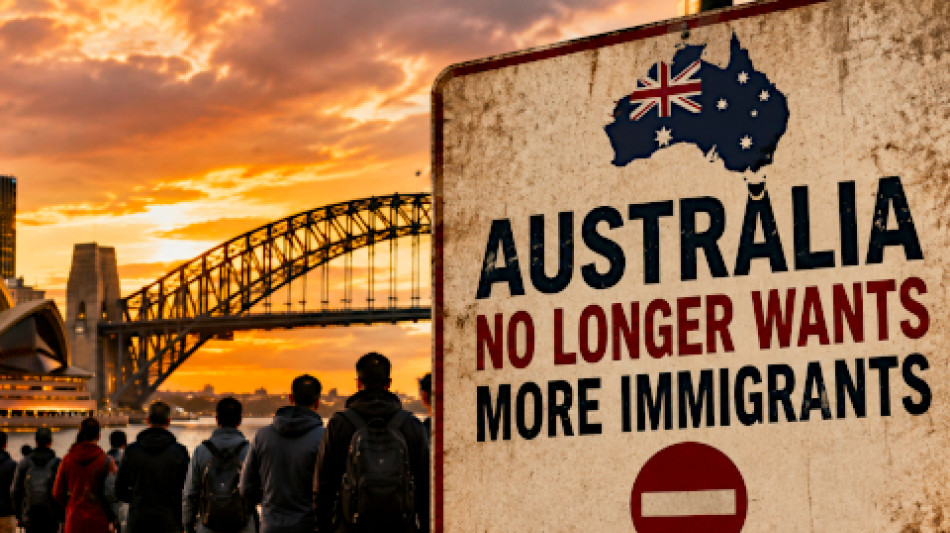
Australia limits migration
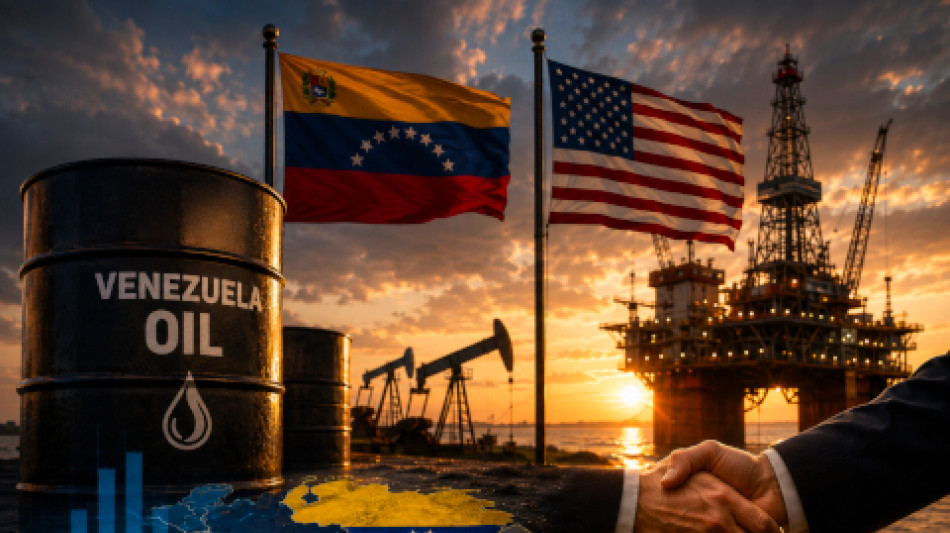
Venezuela’s Oil Return
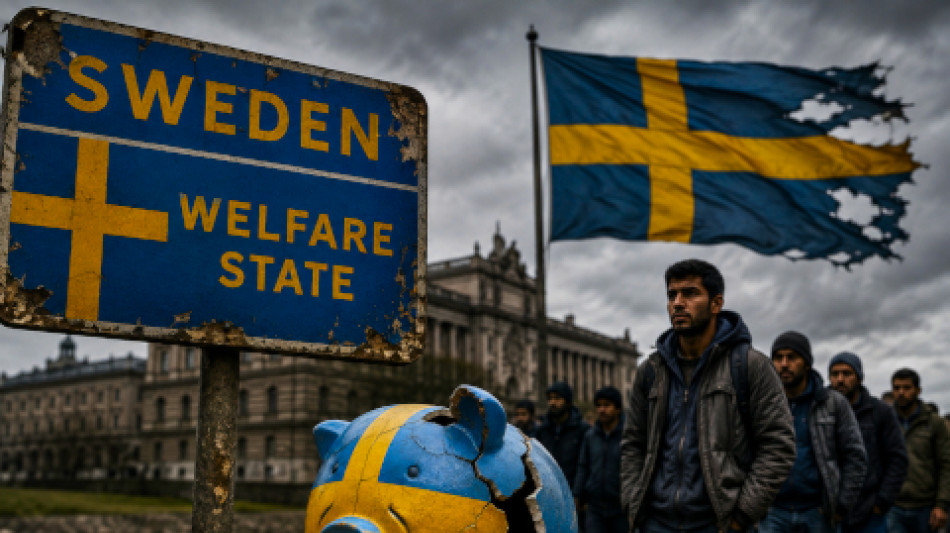
Sweden’s welfare reckoning
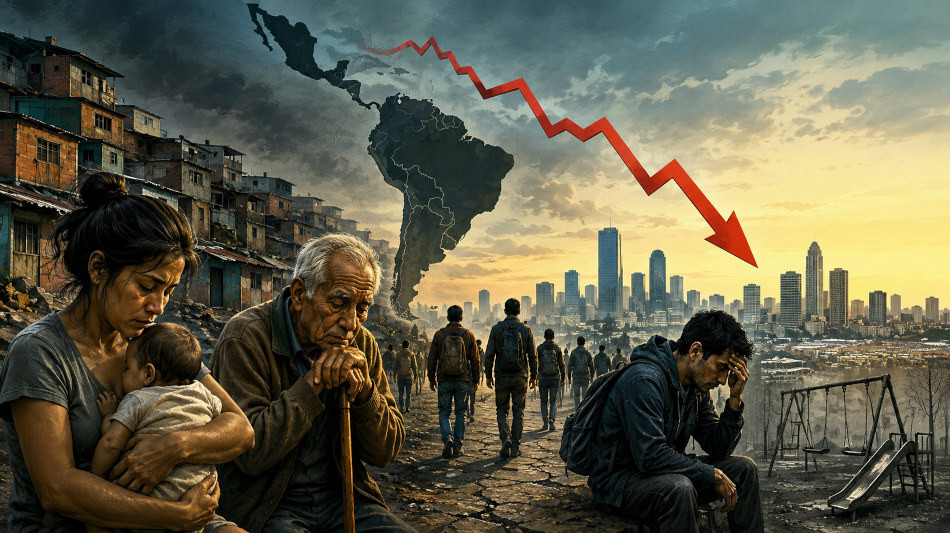
Latin America’s age trap

Putin's peace threshold

China's silicon reckoning

Saudi Arabia’s Costly Mirage

Beijing's new Taiwan playbook

Unexpected economic twist

AI and the Future of Wealth

Fentanyl trade unravels