-
 Mbappe draws political fire over Ceuta t-shirt controversy
-
King Charles warns tech bosses of 'existential dangers' of AI

-
 Third malaria death in Germany from outbreak tied to Frankfurt airport
-
French fishermen block ports over petrol prices

-
 AtlasClear Holdings Reports Preliminary Fiscal 2026 Revenue of Approximately $20.1 Million, Up 85%; Revenue Plus Interest Income of Approximately $21.9 Million
-
Micron's Taiwan workers say 68 months' bonus not enough

-
 'Another arrow to the quiver': World Bank posts record private capital mobilization
-
Canada's Carney pushes 'new alliance' with EU despite Trump threats
-
 Ireland to boycott Eurovision 2027 over Gaza
-
Beyond Investment Returns: Families Are Measuring Wealth by Freedom, Continuity, and Legacy, According to Nour Private Wealth

-
 India's Tata Sons reappoints N. Chandrasekaran as chairman
-
King Charles disputes claims in book by Princess Diana's brother

-
 Germany urges EU action against China to defend carmakers
-
Nepal floods among 'most challenging' disasters: WFP

-
 Japan eyes changing prostitution law to punish sex buyers
-
Kids and social media: what would change under new EU law

-
 Modi pitches India as global chipmaking hub
-
King Charles to call on tech giants for 'reassurances' over AI

-
 Ukraine plans record defence spending in 2027
-
STARPRIME Responds to Diverging Gold Market Demand with AM/PM Fixing and XAU24/7

-
 NASA scan discovers new, 'once in a century' Moon crater
-
Where the US-China tariff row stands ahead of White House summit

-
 Most stocks rise as Fed hikes and indicates drive to curb inflation
-
Indonesia cash-for-photos scheme turns animal hunters into protectors

-
 UK-Sudanese author pens book to give children 'African history of Africa'
-
Bayer to Present How it Rebuilt Global Planning with OMP at Gartner Supply Chain Planning Summit 2026

-
 Argentine judge orders suspension of Falklands oil project
-
US Congress passes sweeping Russia sanctions bill

-
 US Fed raises rates to tackle 'too high' inflation, irking Trump
-
US stocks fall, dollar gains after Fed lifts interest rates

-
 Turkey releases 106 protesters, jails more LGBTQ activists
-
US Fed raises rates to tackle 'too high' inflation in move sure to rile Trump

-
 Candidate for UN chief calls for AI regulation akin to nuclear weapons
-
US Fed raises rates to battle inflation in move likely to rile Trump

-
 'We're losing control,' AI pioneer Yoshua Bengio tells AFP
-
US House faces test on sweeping Russia sanctions bill

-
 IR-MED and Dice Technologies Announce collaboration to Evaluate and Advance Pressure-Injury Prevention Platform in Japan
-
British PM says to make 'difficult decisions' as inflation rises

-
 Watts, Pitt, Cruz to light up Spain's top film festival
-
Global fuel price demos: a round-up

-
 Toogood Gold's Table Mountain Sits in the Shadow of a Nevada Gold Rush
-
Leverate Launches MCP for Traders to Connect AI Assistants With Trading Platforms

-
 MEXC July–August Security Report: 38.66M USDT in Risk Funds Intercepted, Futures Insurance Fund Hits 792M USDT
-
MEXC Launches $1M "Discover Your Wall Street DNA" Campaign to Help Traders Find Their Market Fit

-
 Emporio Armani names Dario Vitale new creative director
-
Stocks edge higher ahead of US Fed rate call

-
 EU to ban social media for under 13s, curb access until 15
-
BASIS.pro Expands On-Chain Infrastructure with XDC Network Partnership and Zypher DAO as Auto Earn Goes Live

-
 Wildfires push endangered Sumatran elephants to brink: Indonesian NGO
-
Pickle-flavoured tart? AI inspires Japan's convenience stores

Miracle in Germany: VW soars
After years of sluggish performance and a dramatic plunge in profits, Volkswagen Group has stunned investors with a remarkable rebound. The company that once seemed mired in structural problems and market headwinds has recalibrated its strategy, restructured operations and embraced electrification to deliver a turnaround that many thought impossible. This article explains how the German carmaker fell so far and what has propelled its recent surge.
The long slide: profits and shares collapse
Volkswagen’s troubles became starkly apparent in late 2024. The group’s earnings before tax for the third quarter crashed almost 60 percent to €2.4 billion, down from €5.8 billion a year earlier. Sales slumped in China, its most important market, and costly electric vehicles (EVs) struggled to find buyers after Germany ended purchase subsidies. Management acknowledged that cutbacks were looming as it planned to close under‑utilised assembly lines and trim labour costs.
The slump was mirrored in the stock market. By mid‑2024 the share price had tumbled 72 percent from its 2021 peak to a 14‑year low near €91, wiping billions from investors’ holdings. Analysts blamed structural problems: high wage costs and overstaffing in Germany, expensive energy, and the legacy of Dieselgate litigation. Its operating margin for the first nine months of 2024 was just 2.1 percent, far below peers, raising fears that Europe’s largest carmaker was becoming uncompetitive.
Further pain arrived in early 2025. U.S. tariffs on cars exported from Europe, introduced by the Trump administration, led to a €1.5‑billion hit in the first half and forced Volkswagen to cut its sales and profit margin guidance. At the same time, the company booked a 4.7‑billion‑euro charge at Porsche related to a reversal of its electric‑vehicle strategy. The passenger‑car division’s operating profit plummeted 84.9 percent as electric models remained costly to build.
Strategic reset: cost‑cutting and partnerships
Recognising the severity of the situation, chief executive Oliver Blume launched an aggressive restructuring programme. Management promised to cut over 35 000 jobs through natural attrition by the end of the decade and aimed to save €1 billion annually by trimming bureaucracy and simplifying product lines. The company also reduced its five‑year investment plan by €15 billion, focusing resources on core brands and promising to make electric models profitable.
A key catalyst for renewed investor confidence was Volkswagen’s decision to accelerate electrification and seek external expertise. In June 2024 the group announced a joint venture with U.S. start‑up Rivian. Volkswagen committed to invest up to US$5 billion in Rivian and to develop a next‑generation software‑defined vehicle platform combining Rivian’s advanced electronics and software with Volkswagen’s scale. Executives highlighted that the partnership would allow both companies to share components, reduce costs and deliver connected vehicles faster.
Volkswagen also expanded its battery‑cell operations through subsidiary PowerCo and renegotiated supply agreements to lower input costs. By building new battery plants in Germany, Spain and Canada, the group aims to secure up to 170 gigawatt‑hours of capacity, although some projects have been delayed in response to weaker near‑term EV demand.
Electrification pays off: EV sales surge
The pivot toward electrification began to bear fruit in 2025. In the first half of the year, the group’s battery‑electric vehicle (BEV) deliveries rose by about 50 percent compared with the previous year. Total BEV sales reached 465 500, raising the battery‑electric share of total deliveries from 7 percent to 11 percent. The improvement was driven by strong demand in Europe, where BEV deliveries jumped about 90 percent; the group captured roughly 28 percent of the European BEV market and became the regional leader. New models such as the long‑range ID.7 sedan and the refreshed ID.4 crossover helped attract customers, while Skoda and Audi expanded their electric line‑ups.
Robust order inflows underscored growing confidence: the company reported that outstanding BEV orders in Western Europe were more than 60 percent higher than a year earlier. This surge indicated that the supply‑chain problems and software glitches that had plagued earlier launches were being resolved.
Investor sentiment improves
Despite the heavy tariff hit, the second half of 2025 brought signs of stabilisation. In July the company trimmed its full‑year sales and margin guidance, acknowledging that tariffs and restructuring costs would weigh on results, but shares recovered from a 4.6 percent fall to end the day 1 percent higher as investors were reassured that losses were contained and that luxury brands Audi and Porsche would recover in 2026. Chief executive Blume told investors that cost‑cutting had to be accelerated and expressed confidence that a trade deal reducing U.S. tariffs from 25 percent to 15 percent would materially improve margins.
In October, ahead of third‑quarter results, Volkswagen held a pre‑close call with investors. Analysts described the message as “reassuring”: management said operating profit would likely stay within guidance despite the tariff drag. Investors were comforted by solid sales momentum in the core brand, and the share price gained about 1.2 percent in early trading.
The group’s long‑term outlook remains cautious. In March it forecast a 2025 operating profit margin of 5.5–6.5 percent, only slightly above 2024 levels, as the costs of ramping up EV and battery production and uncertainties around U.S. trade policy continue to weigh on earnings. Yet analysts noted that the upper end of the margin range exceeded market expectations and called the plan credible.
Conclusion: from despair to cautious optimism
Volkswagen’s dramatic rebound after a 60 percent profit collapse illustrates how quickly fortunes can change when decisive action meets shifting market dynamics. Aggressive cost‑cutting, a strategic partnership with Rivian and a renewed focus on battery‑electric vehicles have begun to lift profits and restore investor confidence. While challenges remain – including unresolved trade tensions, high manufacturing costs and intense competition from Chinese EV manufacturers – the German giant has demonstrated that it can adapt. The “miracle” is not a sudden transformation but the result of disciplined restructuring, technological collaboration and a growing appetite for electric vehicles. Investors who once despaired at sinking margins now see signs of a sustainable turnaround.

Reverse Apartheid" in SA?
Trump’s 50% tariffs on europe
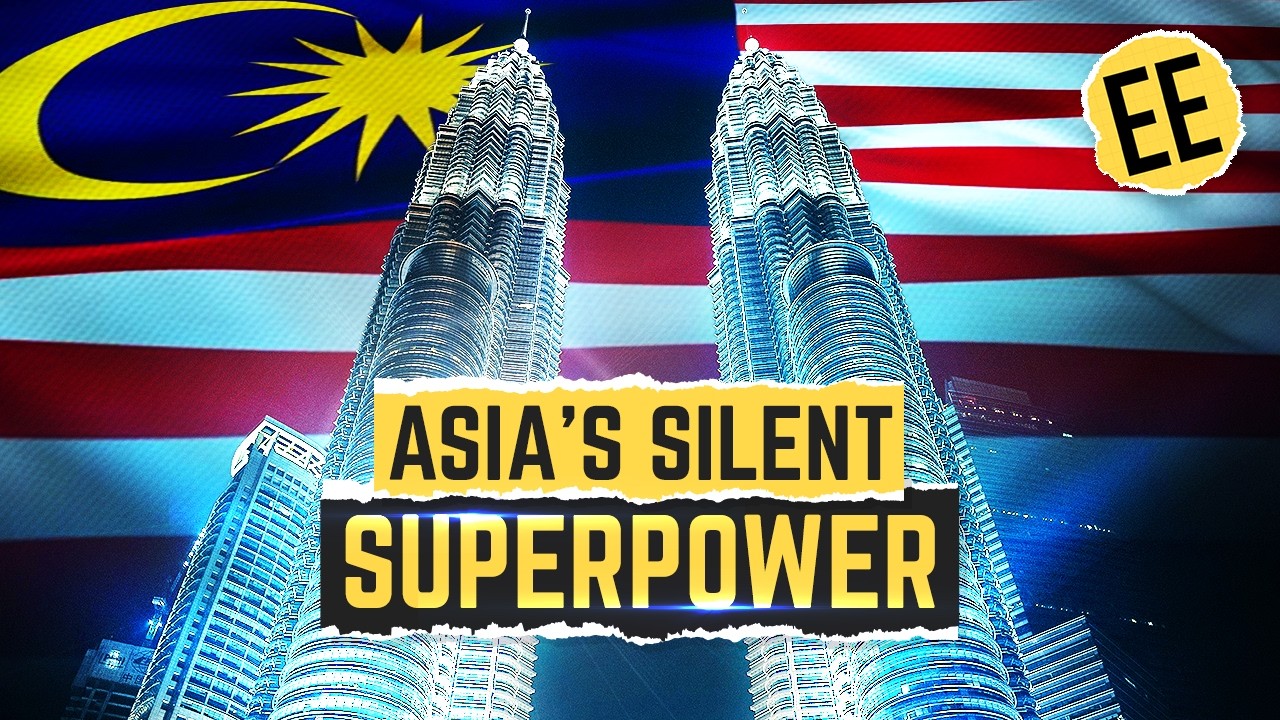
Malaysia's Strategic Ascent

Boomers: Selfish or Scapegoats?
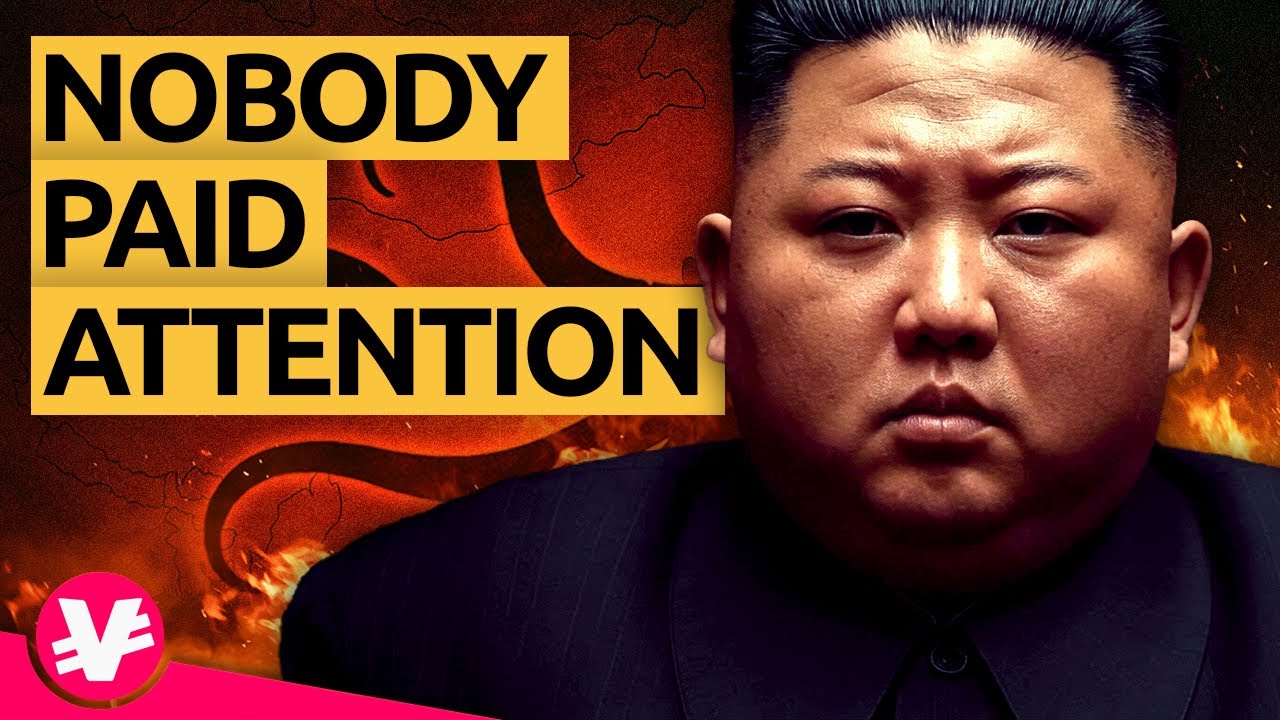
North Korea Infiltrates Economy
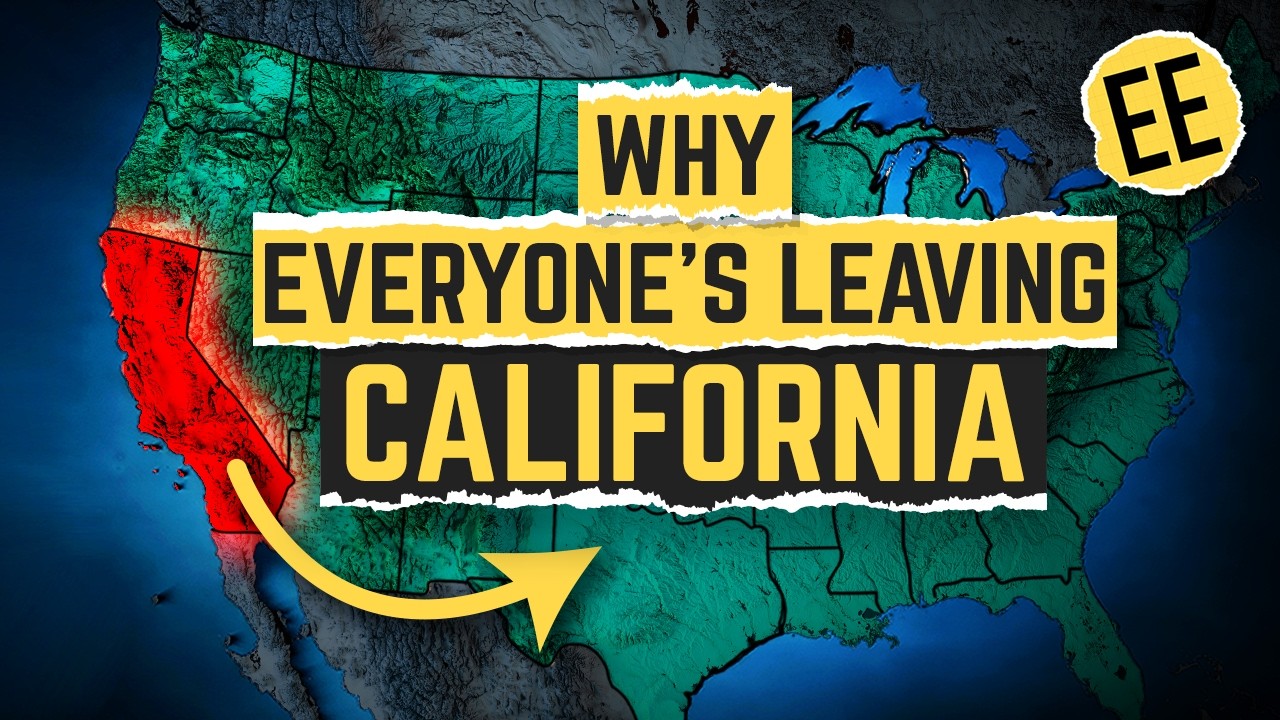
California's Economy: Not Broken

Ukraine's Drones Bleed Russia
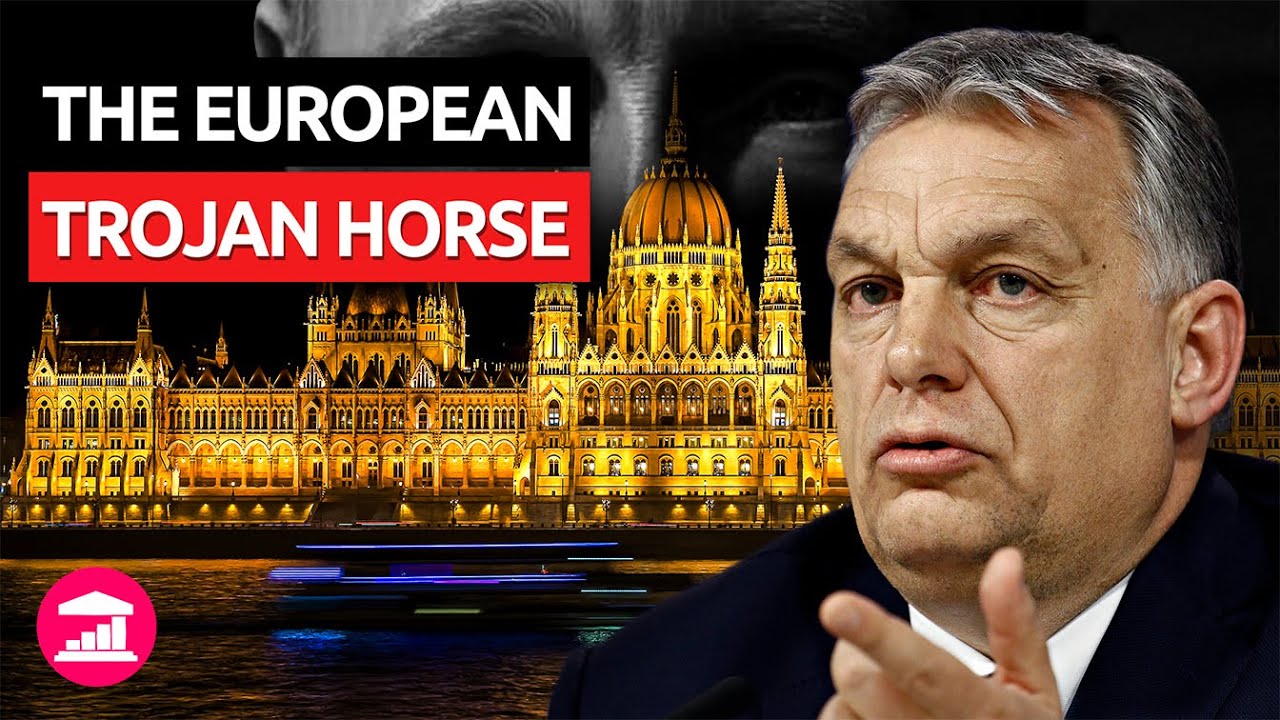
Orban and Putin's Shadow Deal

Saudi Arabia's Economic Crisis

Iran: Allies abandoned

Israel-Iran: USA Strikes