-
 Micron's Taiwan workers say 68 months' bonus not enough
-
'Another arrow to the quiver': World Bank posts record private capital mobilization

-
 Canada's Carney pushes 'new alliance' with EU despite Trump threats
-
Ireland to boycott Eurovision 2027 over Gaza

-
 Beyond Investment Returns: Families Are Measuring Wealth by Freedom, Continuity, and Legacy, According to Nour Private Wealth
-
India's Tata Sons reappoints N. Chandrasekaran as chairman

-
 King Charles disputes claims in book by Princess Diana's brother
-
Germany urges EU action against China to defend carmakers

-
 Nepal floods among 'most challenging' disasters: WFP
-
Japan eyes changing prostitution law to punish sex buyers

-
 Kids and social media: what would change under new EU law
-
Modi pitches India as global chipmaking hub

-
 King Charles to call on tech giants for 'reassurances' over AI
-
Ukraine plans record defence spending in 2027

-
 STARPRIME Responds to Diverging Gold Market Demand with AM/PM Fixing and XAU24/7
-
NASA scan discovers new, 'once in a century' Moon crater

-
 Where the US-China tariff row stands ahead of White House summit
-
Most stocks rise as Fed hikes and indicates drive to curb inflation

-
 Indonesia cash-for-photos scheme turns animal hunters into protectors
-
UK-Sudanese author pens book to give children 'African history of Africa'

-
 Bayer to Present How it Rebuilt Global Planning with OMP at Gartner Supply Chain Planning Summit 2026
-
Argentine judge orders suspension of Falklands oil project

-
 US Congress passes sweeping Russia sanctions bill
-
US Fed raises rates to tackle 'too high' inflation, irking Trump

-
 US stocks fall, dollar gains after Fed lifts interest rates
-
Turkey releases 106 protesters, jails more LGBTQ activists

-
 US Fed raises rates to tackle 'too high' inflation in move sure to rile Trump
-
Candidate for UN chief calls for AI regulation akin to nuclear weapons

-
 US Fed raises rates to battle inflation in move likely to rile Trump
-
'We're losing control,' AI pioneer Yoshua Bengio tells AFP

-
 US House faces test on sweeping Russia sanctions bill
-
IR-MED and Dice Technologies Announce collaboration to Evaluate and Advance Pressure-Injury Prevention Platform in Japan

-
 British PM says to make 'difficult decisions' as inflation rises
-
Watts, Pitt, Cruz to light up Spain's top film festival

-
 Global fuel price demos: a round-up
-
Toogood Gold's Table Mountain Sits in the Shadow of a Nevada Gold Rush

-
 Leverate Launches MCP for Traders to Connect AI Assistants With Trading Platforms
-
MEXC July–August Security Report: 38.66M USDT in Risk Funds Intercepted, Futures Insurance Fund Hits 792M USDT

-
 MEXC Launches $1M "Discover Your Wall Street DNA" Campaign to Help Traders Find Their Market Fit
-
Emporio Armani names Dario Vitale new creative director

-
 Stocks edge higher ahead of US Fed rate call
-
EU to ban social media for under 13s, curb access until 15

-
 BASIS.pro Expands On-Chain Infrastructure with XDC Network Partnership and Zypher DAO as Auto Earn Goes Live
-
Wildfires push endangered Sumatran elephants to brink: Indonesian NGO

-
 Pickle-flavoured tart? AI inspires Japan's convenience stores
-
Bank of Japan set to raise rates under pressure from inflation, US

-
 EU chief hosts Canada's Carney in push to 'deepen' alliance
-
EU chief to unveil social media, gaming curbs for under-15s

-
 Meta chief pushes back on AI slowdown calls
-
'Resident Evil' film brings video game's ethos to the big screen

A new vision for Japan
Sanae Takaichi’s election as prime minister in October 2025 has ushered in a historic and transformative period for Japan. She is the country’s first woman to hold the post and, with a small Conservative bloc in parliament, she must rely on cooperation from opposition parties to deliver her ambitious agenda. A protégé of the late Shinzo Abe and a keen admirer of Margaret Thatcher, she promised during her leadership campaign to reassert Japan’s economic might, strengthen national security and regain the trust of conservative voters lost to right‑wing rivals.
Reviving the economy through fiscal firepower
Takaichi’s economic agenda centres on aggressive public spending coupled with targeted tax cuts. Within days of taking office she began drafting a fiscal package worth more than ¥13.9 trillion, surpassing the stimulus enacted in the previous year. The package aims to cushion households from inflation, expand investment in growth industries and support national security. Among the key measures under discussion are the abolition of a provisional gasoline tax that has been in place since 1974, lifting the income tax exemption threshold from ¥1.03 million to ¥1.6 million and combining income tax deductions with cash benefits to provide relief without increasing headline tax rates.
A Growth Strategy Council has been established to steer these efforts. The panel will map out a medium‑term plan by next summer, identifying sectors such as artificial intelligence, semiconductors, shipbuilding, defence and telecommunications as priorities. Takaichi has already signalled her intention to invest roughly ¥1.7 trillion in Rapidus, Japan’s fledgling chipmaker, with the goal of tripling its overseas revenue by 2033. She has charged her ministers with developing domestic supply chains for semiconductors and AI and with supporting small and medium‑sized businesses through tax reforms and productivity‑boosting incentives. Her emphasis on “responsible and proactive fiscal policy” seeks to ensure that economic growth outpaces debt accumulation, even if the programme is financed through deficit bonds.
In addition to the stimulus package, Takaichi has pledged to transform Japan into a global asset‑management hub and to create a national disaster‑prevention agency. She advocates establishing a “secondary capital” outside Tokyo to decentralise government functions, and she has called for social security reforms to balance benefits and costs in an ageing society. Recognising that recovery from the Fukushima nuclear disaster remains incomplete, she instructed the new economy minister to prioritise reconstruction alongside growth initiatives. Energy policy features prominently in her plan: she wants Japan to leverage renewable energy and nuclear power to secure a decarbonised yet stable electricity supply.
Accelerating military modernisation
National security is another pillar of Takaichi’s platform. Breaking with decades of precedent, she intends to raise defence spending to 2 per cent of gross domestic product by the end of March 2026 — two years ahead of the timetable set by her predecessor. This acceleration will require an extra trillion yen through a supplementary budget and marks Japan’s largest defence build‑up since the Second World War. Her government has already begun revising the National Security Strategy, National Defence Strategy and Defence Buildup Programme to reflect the changing security environment, citing Russia’s invasion of Ukraine, regional conflicts in the Middle East and heightened pressure from China and North Korea.
The new administration’s alliance with the Japan Innovation Party, which shares a hawkish stance on China, removes the moderating influence of the pacifist‑leaning Komeito and liberates her to pursue constitutional change. Takaichi is a long‑time advocate of revising Article 9 of the Constitution to acknowledge the Self‑Defence Forces and relax restrictions on arms exports. Her coalition partners have floated proposals for a nuclear‑sharing arrangement with the United States, a radical departure from Japan’s longstanding non‑nuclear principles. She hopes to deepen ties with Washington and has signalled she will quickly meet President Donald Trump to discuss ways to strengthen the bilateral alliance. In the face of calls from some U.S. officials to raise defence outlays to 3 or even 5 per cent of GDP, she is likely to present a package of purchases ranging from American vehicles and soybeans to natural gas and attract U.S. investment in Japanese industries. At the same time, she has pledged to maintain a constructive relationship with China and to work with South Korea, Australia and India to support a free and open Indo‑Pacific.
A tougher line on immigration and foreign ownership
Alongside her economic and security initiatives, Takaichi has placed immigration at the heart of her domestic agenda. Despite acknowledging the need for foreign labour to offset Japan’s demographic decline, she has vowed to “set limits” on the number of foreign workers admitted through programmes designed to address labour shortages. In an early ministerial meeting on foreign nationals she argued that public anxiety stems from rule‑breaking by a minority of foreigners and announced plans to deny visa renewals to those who fall behind on pension or health‑insurance contributions. She has also instructed ministers to examine tighter regulations on land purchases by foreign nationals, particularly Chinese investors, and to develop a population strategy by fiscal 2026 with numerical targets for foreign residents.
Takaichi’s cabinet includes a minister specifically responsible for economic security and harmonious coexistence with foreign nationals. This official, Kimi Onoda, has been tasked with coordinating immigration policy, enforcing compliance and examining regulations on property ownership. The prime minister insists that her approach is aimed at ensuring fairness rather than promoting xenophobia. Critics, however, argue that the rhetoric and policies reflect a broader nationalist turn within the ruling party. During the leadership race she built support by invoking isolated anecdotes to justify restrictions on foreigners, echoing the populist “Japanese First” platform championed by right‑wing groups. Opponents warn that such measures could undermine industries that rely on overseas labour and exacerbate social divisions.
Managing minority rule and foreign relations
The political context surrounding Takaichi’s premiership complicates the implementation of her agenda. Her coalition is two votes short of a majority in the lower house, compelling her to seek backing from centrist and opposition parties to pass budgets and constitutional amendments. While she enjoys strong approval ratings in the early days of her government, observers question whether she can sustain momentum when her spending plans face scrutiny over Japan’s already‑high public debt.
Diplomatically, Takaichi must balance her hawkish instincts with regional realities. She reaffirmed Japan’s commitment to supporting Ukraine, pledged to secure the return of citizens abducted by North Korea, and called China an important neighbour despite labelling its actions a security challenge. In a symbolic nod to regional sensitivities, she refrained from visiting the Yasukuni war shrine during the autumn festival, a move interpreted as an attempt to ease tensions with Beijing and Seoul. Nevertheless, her regular visits in the past and her hard‑line views on wartime history continue to evoke suspicion abroad.
Sanae Takaichi’s rise to Japan’s highest office brings a blend of economic populism, military assertiveness and cultural conservatism. Her vision seeks to rekindle growth through massive public investment while rewriting the rules that have governed Japan’s post‑war pacifism and demographic openness. Whether she succeeds in changing Japan forever will depend on her ability to steer her minority government through political turbulence, manage relations with powerful allies and competitors, and reconcile a rapidly ageing society with the demands of globalisation.

AI sparks Wall Street panic
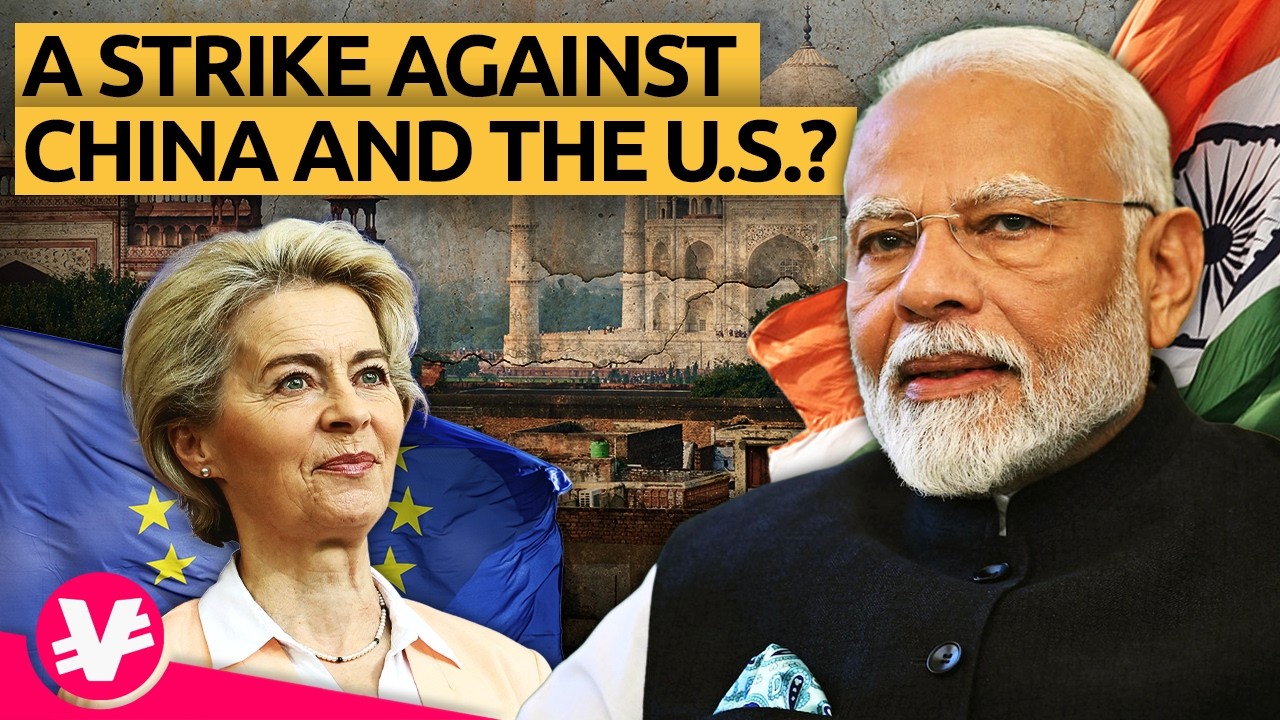
EU India deal gains unveiled
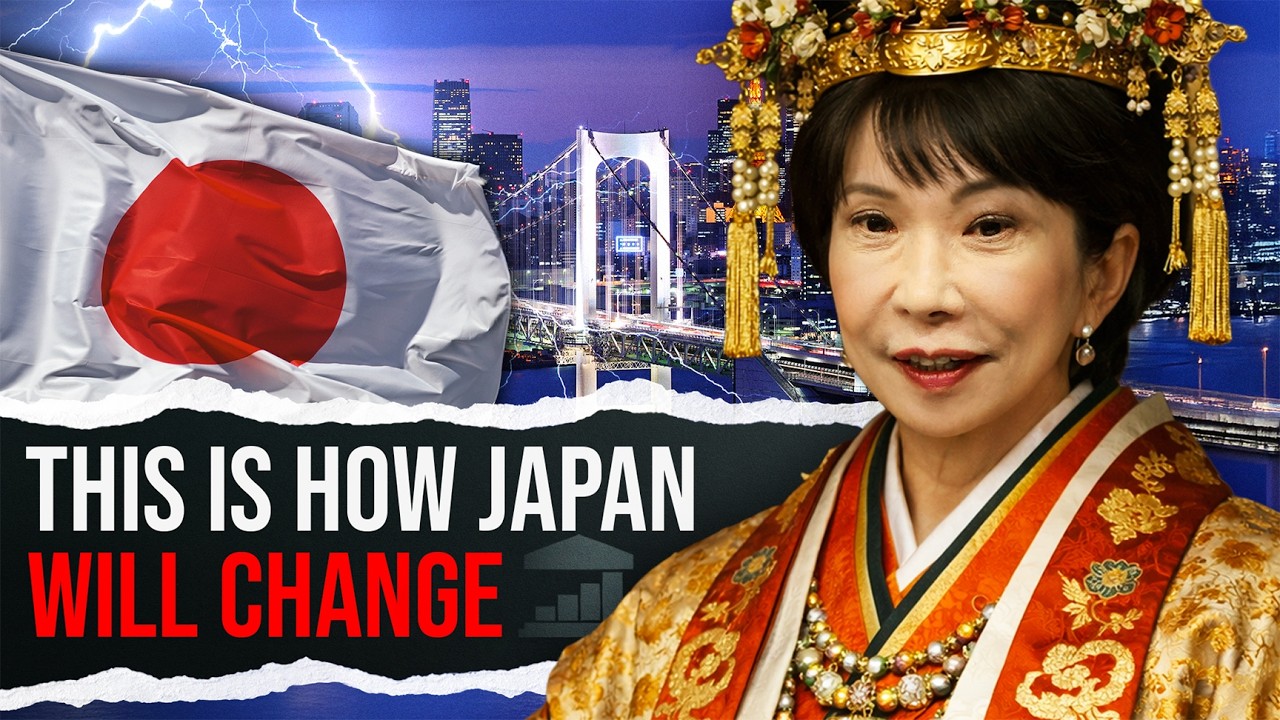
Japan’s right‑turn triumph

U.S. Jobs stall, gdp slows

Strike fears rise over Iran

No red lines: Israel vs Iran

Is that Israel's final blow?

Iran and the holy War risk

Cuban regime nears collapse

Iran-War and dangerous Lines

BlackRock fund freeze panic