-
 Germany urges EU action against China to defend carmakers
-
Nepal floods among 'most challenging' disasters: WFP

-
 Japan eyes changing prostitution law to punish sex buyers
-
Kids and social media: what would change under new EU law

-
 Modi pitches India as global chipmaking hub
-
King Charles to call on tech giants for 'reassurances' over AI

-
 Ukraine plans record defence spending in 2027
-
STARPRIME Responds to Diverging Gold Market Demand with AM/PM Fixing and XAU24/7

-
 NASA scan discovers new, 'once in a century' Moon crater
-
Where the US-China tariff row stands ahead of White House summit

-
 Most stocks rise as Fed hikes and indicates drive to curb inflation
-
Indonesia cash-for-photos scheme turns animal hunters into protectors

-
 UK-Sudanese author pens book to give children 'African history of Africa'
-
Argentine judge orders suspension of Falklands oil project

-
 US Congress passes sweeping Russia sanctions bill
-
US Fed raises rates to tackle 'too high' inflation, irking Trump

-
 US stocks fall, dollar gains after Fed lifts interest rates
-
Turkey releases 106 protesters, jails more LGBTQ activists

-
 US Fed raises rates to tackle 'too high' inflation in move sure to rile Trump
-
Candidate for UN chief calls for AI regulation akin to nuclear weapons

-
 US Fed raises rates to battle inflation in move likely to rile Trump
-
'We're losing control,' AI pioneer Yoshua Bengio tells AFP

-
 US House faces test on sweeping Russia sanctions bill
-
IR-MED and Dice Technologies Announce collaboration to Evaluate and Advance Pressure-Injury Prevention Platform in Japan

-
 British PM says to make 'difficult decisions' as inflation rises
-
Watts, Pitt, Cruz to light up Spain's top film festival

-
 Global fuel price demos: a round-up
-
Toogood Gold's Table Mountain Sits in the Shadow of a Nevada Gold Rush

-
 Leverate Launches MCP for Traders to Connect AI Assistants With Trading Platforms
-
MEXC July–August Security Report: 38.66M USDT in Risk Funds Intercepted, Futures Insurance Fund Hits 792M USDT

-
 MEXC Launches $1M "Discover Your Wall Street DNA" Campaign to Help Traders Find Their Market Fit
-
Emporio Armani names Dario Vitale new creative director

-
 Stocks edge higher ahead of US Fed rate call
-
EU to ban social media for under 13s, curb access until 15

-
 BASIS.pro Expands On-Chain Infrastructure with XDC Network Partnership and Zypher DAO as Auto Earn Goes Live
-
Wildfires push endangered Sumatran elephants to brink: Indonesian NGO

-
 Pickle-flavoured tart? AI inspires Japan's convenience stores
-
Bank of Japan set to raise rates under pressure from inflation, US

-
 EU chief hosts Canada's Carney in push to 'deepen' alliance
-
EU chief to unveil social media, gaming curbs for under-15s

-
 Meta chief pushes back on AI slowdown calls
-
'Resident Evil' film brings video game's ethos to the big screen

-
 US Fed to deliver rate decision with markets betting on hike
-
GA-ASI Mojave First UAS To Complete Battlefield Short Field Ops

-
 i-payout Expands U.S. Money Transmitter Licensing Footprint and Advances European EMI Strategy
-
Sanders, Bannon warn of AI dangers in rare US left-right alignment

-
 US Senate crypto bill collapses amid partisan deadlock
-
Empty benches as schools reopen in Venezuela's quake-hit Guaira

-
 OpenAI, Anthropic and Google are working to create an AI standards body
-
Tiny English village holds 'independence' vote over asylum seeker housing

Orban and Putin's Shadow Deal
Hungarian Prime Minister Viktor Orban has long been a polarizing figure in the European Union, often clashing with Brussels over his nationalist stance and cozy relationships with authoritarian leaders. Among these, his bond with Russian President Vladimir Putin has sparked widespread unease. Their partnership, marked by secretive agreements and high-profile meetings, has cast a shadow over Hungary’s role in Europe, raising questions about its loyalty to EU principles and its implications for regional stability.
Central to this controversy are energy agreements that tie Hungary closely to Russia. Despite EU efforts to wean itself off Russian energy amid the Ukraine war, Hungary has doubled down on its dependence. In 2022, Orban locked in a long-term gas deal with Moscow, securing favorable rates for Hungary. This move has been a boon for the country’s economy but has drawn ire for propping up Russia’s finances under global sanctions and weakening Europe’s united front.
The collaboration extends beyond gas. Hungary has tapped Russia’s Rosatom to upgrade its Paks nuclear facility, a multi-billion-euro project funded largely by a Russian loan. Details of the deal remain murky, with allegations of corruption swirling around it. Observers worry that this not only deepens Hungary’s debt to Russia but also hands Putin a foothold in critical European infrastructure.
Diplomatically, Orban has stirred the pot further. In July 2024, he made an unexpected trip to Moscow to meet Putin, touting “peace talks” for Ukraine just as Hungary took the EU Council presidency. EU leaders slammed the visit, insisting Orban had no authority to speak for the bloc. Days earlier, he’d pitched a ceasefire to Ukraine’s Volodymyr Zelenskyy in Kyiv—a suggestion Kyiv dismissed as a win for Russia. Orban framed these moves as a “peace mission,” but many see them as a bid to bolster ties with Putin while playing both sides.
The Orban-Putin alliance isn’t just pragmatic—it’s rooted in shared ideology. Both leaders champion “traditional values” and reject liberal democracy, with Orban openly admiring Putin’s strongman tactics. This kinship has seen Hungary obstruct EU sanctions on Russia and stall aid to Ukraine, frustrating allies and amplifying divisions within the bloc.
The fallout is significant. Orban’s actions strain Hungary’s standing in the EU and NATO, casting doubt on its commitment to collective goals. They also signal to other populist figures that defying the EU for national gain is viable. As Europe navigates Russia’s aggression, the Orban-Putin pact remains a flashpoint, its full consequences still unfolding.
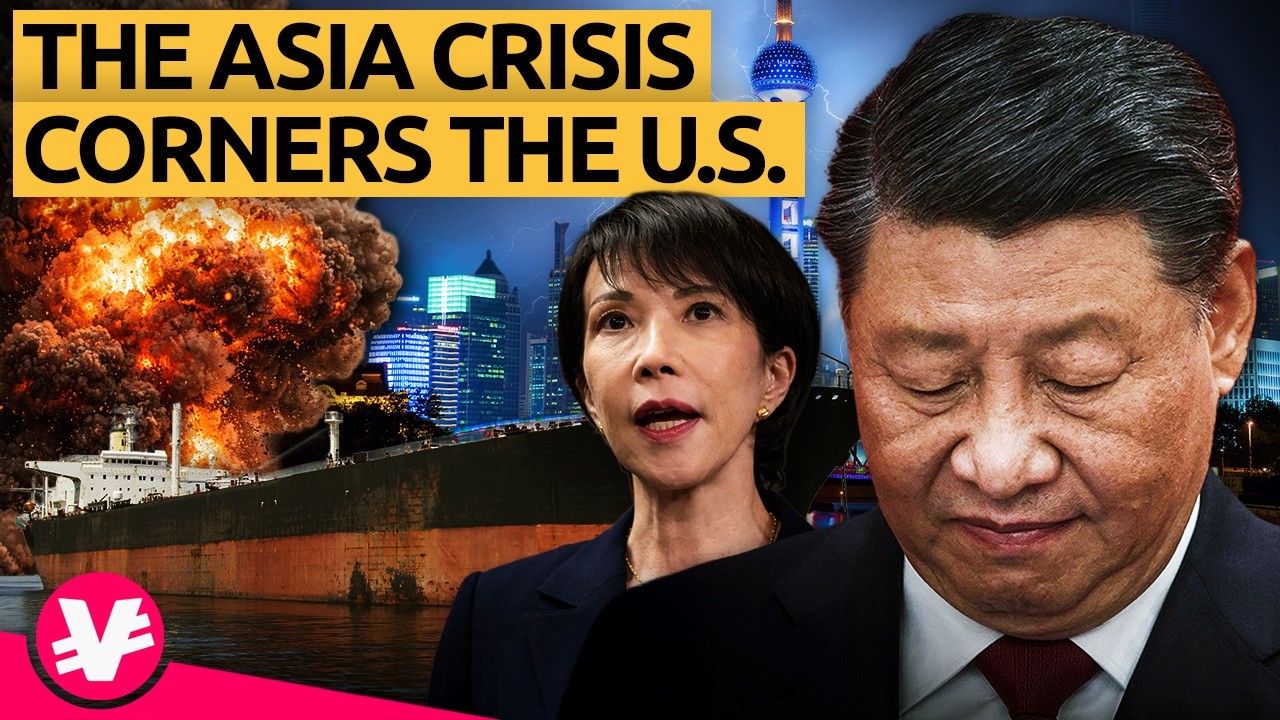
Trump fears Asia's oil shock
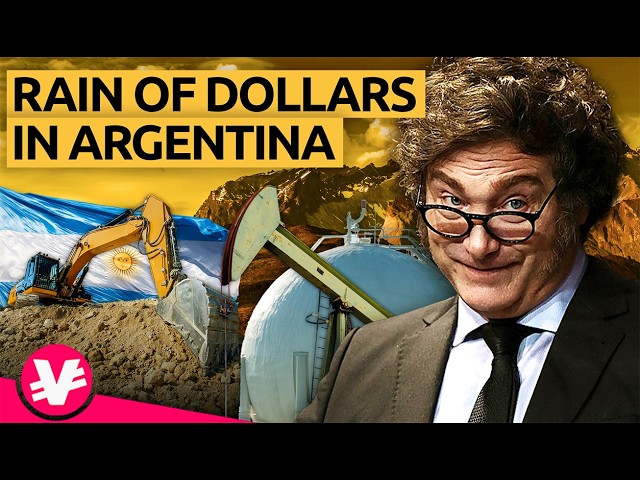
Argentina reshapes oil
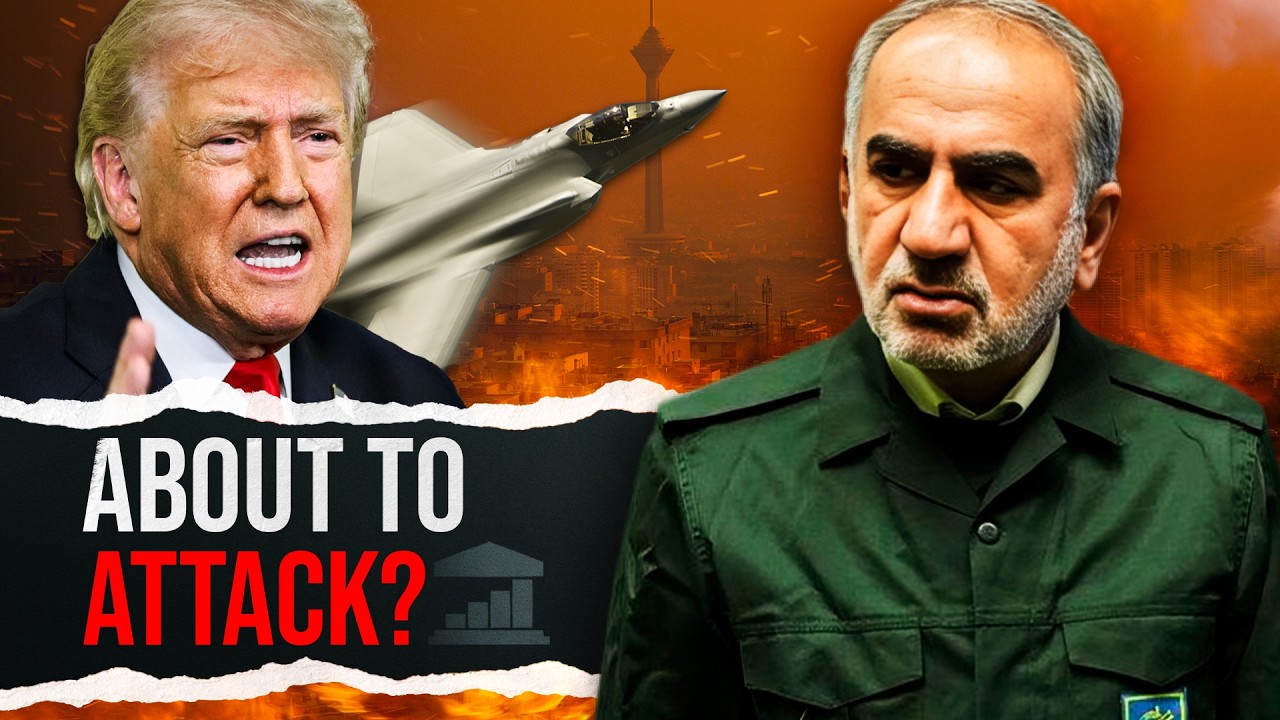
Strike fears rise over Iran
U.S. Jobs stall, gdp slows

Japan’s right‑turn triumph
EU India deal gains unveiled

AI sparks Wall Street panic

India defies U.S. tariffs

EU misstep on mercosur Deal
Cuba’s bleak oil crisis
Trump's hesitation in Iran