Grain, steel, fertiliser blocked by Hormuz closure: data / Photo: JULIEN DE ROSA - AFP

 Oversight Board blasts 'inadequate' Meta safeguards for AI deepfakes

 Harry makes first public appearance since return to UK

 Princess Diana's brother makes new explosive claims against Charles

 Trump admin overhauls key protection for endangered species

 Mbappe draws political fire over Ceuta t-shirt controversy

 Third malaria death in Germany from outbreak tied to Frankfurt airport

 AtlasClear Holdings Reports Preliminary Fiscal 2026 Revenue of Approximately $20.1 Million, Up 85%; Revenue Plus Interest Income of Approximately $21.9 Million

 'Another arrow to the quiver': World Bank posts record private capital mobilization

 Ireland to boycott Eurovision 2027 over Gaza

 India's Tata Sons reappoints N. Chandrasekaran as chairman

 Germany urges EU action against China to defend carmakers

 Japan eyes changing prostitution law to punish sex buyers

 Modi pitches India as global chipmaking hub

 Ukraine plans record defence spending in 2027

 NASA scan discovers new, 'once in a century' Moon crater

 Most stocks rise as Fed hikes and indicates drive to curb inflation

 UK-Sudanese author pens book to give children 'African history of Africa'

 Argentine judge orders suspension of Falklands oil project

 US Fed raises rates to tackle 'too high' inflation, irking Trump

 Turkey releases 106 protesters, jails more LGBTQ activists

 Candidate for UN chief calls for AI regulation akin to nuclear weapons

 'We're losing control,' AI pioneer Yoshua Bengio tells AFP

 IR-MED and Dice Technologies Announce collaboration to Evaluate and Advance Pressure-Injury Prevention Platform in Japan

 Watts, Pitt, Cruz to light up Spain's top film festival

 Toogood Gold's Table Mountain Sits in the Shadow of a Nevada Gold Rush

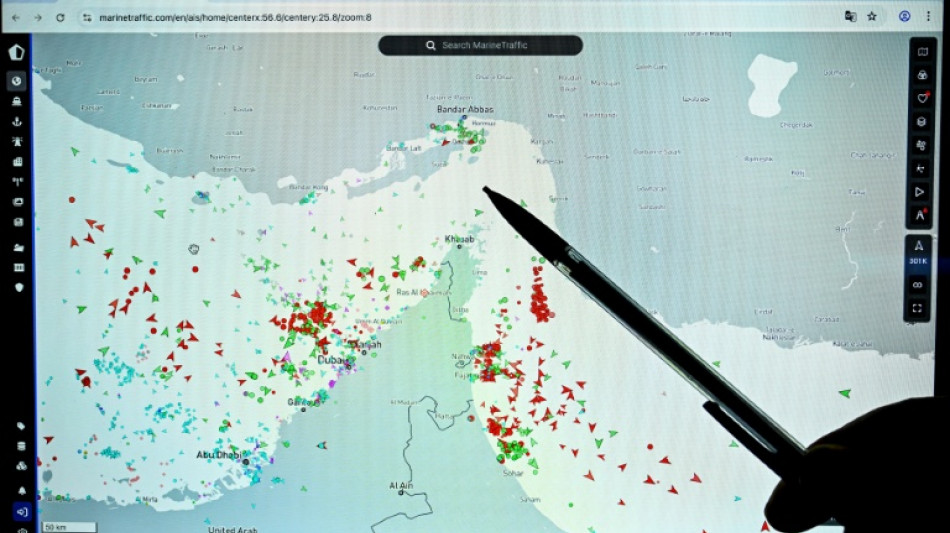
Besides oil and gas, Iran's blockade of the Strait of Hormuz has choked off shipments of crucial goods and raw materials to world markets.
Overall volumes of dry bulk goods fell from 7.5 million tonnes in February to 1.3 million tonnes in March, according to data from maritime intelligence firm AXSMarine -- an 83-percent decline.
Here are five measures of the impact on commodities based on data from the firm, since the war started with US and Israeli attacks on Iran on February 28.
- Bulk commodities: down 93% -
Within dry goods, "bulk commodities" exports include raw materials such as limestone for cement-making, sulphur for fertilisers and industrial chemicals, and gypsum for construction, agriculture and manufacturing.
Overall shipments of this class of commodities through the strait fell 93 percent in March compared with February, from nearly five million tonnes to just 326,000.
- Fertilisers: -92% -
Fertilisers such as urea are crucial for crop production, with exports through Hormuz typically heading to Brazil, China, India and Africa.
Fertiliser shipments through the passage fell 92 percent from over a million tonnes in February to just 82,000 in March.
- Iron ore: -65% -
Iron ore is a crucial ingredient for making the steel that goes into everything from buildings to vehicles to machinery.
Exports of iron ore through the strait fell by 65 percent in March from the month before, from over 530,000 tonnes to 186,000.
- Steel: -93% -
Shipments of steel fell 93 percent from nearly 162,000 tonnes to 11,000.
- Grain imports: -92% -
Meanwhile grain shipments westbound through the strait into the Gulf plunged 92 percent from 2.3 million tonnes to 196,000.
AXSMarine told AFP that a significant share of the goods shipped in March were unknown cargos due to disruptions and manipulation of ships' signals in the conflict zone.
H.Müller--CPN