-
 Kenya's economy faces climate change risks: World Bank
-
Four Al-Fayed survivors told they were trafficking victims

-
 Trump says US support for Japanese yen a 'signal of friendship'
-
Brazil's Lula, 80, says 'in great shape' as he launches fourth term bid

-
 Handbag tosses and high-heeled sprints: Amsterdam celebrates Drag Olympics
-
South Korea records its highest-ever temperature of 42.5C

-
 Baltics transform from Soviet stagnation to startup hubs
-
AI keeps consumer prices high in 'RAMaggedon' chip crunch

-
 Five of Cuba's 15 provinces without power as grid fails again
-
Baltic startups take aim at deterring Russia on NATO's eastern flank
-
 OPEC+ tipped to raise production again but new quotas loom
-
France's largest wildfire in decades 'under control', says minister

-
 South Korea baseball league cancels two games over heatwave
-
Warsaw and Kyiv exhume Volyn victims at centre of diplomatic quarrel
-
 India PM Modi says he forgives protesters who abused him
-
California lifeguards wiped out from extreme weather

-
 US plans steep water cuts for southwest amid Colorado River crisis
-
Amazon surges as US stocks shrug off bond yield worries

-
 Oil giants report blowout profits on war, warn high gas prices could persist
-
Hungary to shut nuclear plant as heatwave hits central Europe

-
 Google launches new satellite image AI tool, alarming researchers
-
Tech-fuelled rally fizzles as oil prices rise

-
 US Fed dissenters call for rate hikes over sustained inflation
-
Alarm over climate-linked low level of German waterways

-
 New York sues online prediction markets giant Kalshi
-
Commerzbank agrees to talks with UniCredit after two-year standoff

-
 Profits surge at US oil giant amid Iran war supply shock
-
Fornaro Legal Releases Guidance to Help Businesses Maintain Clear Ownership Records During Growth

-
 Stock markets rally on tech rebound
-
Japan probe made closest-ever asteroid flyby: space agency

-
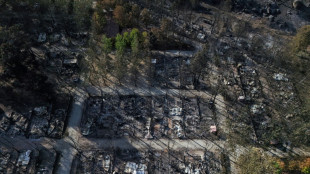 France, Spain assess scorched terrain as new wildfires threaten other regions
-
British oil giant BP aims to sell North Sea business

-
 Chipmaker Kioxia reports AI-driven 45-fold surge in quarterly net profit
-
China factory activity slides as leaders seek spending boost

-
 Far right and far left battle for power in polarised Berlin
-
Tech rebound fuels record-breaking rally in South Korean stocks

-
 The last trio: S.Africa's zoo elephants await their fate
-
Cables and cooling bring AI windfall to Indian suppliers

-
 Oil industry sees war windfall but girds for political blowback
-
Anthropic's models gained unauthorized 'real-world' access during testing

-
 Amazon beats expectations with cloud and AI growth
-
Apple tops estimates in CEO Cook's final quarter, but shares fall

-
 Blowout Microsoft results lift US stocks as oil retreats
-
Milei demands expulsion of foreigners expressing 'hate' against Argentina

-
 'Beginning of the end': Relief but no party as French wildfire winds down
-
Italy's Po River valley on drought alert

-
 Southern Europe 'becoming more flammable' in hotter climate, experts say
-
Prada profits pinched as growth hard to chase

-
 Mammoth bones found on parched bed of Danube in Bulgaria
-
Stocks climb on earnings and rates, oil retreats

Russia's Population Plummets
The terrorist state of Russia is struggling with a profound demographic crisis that shows no signs of abating. As of 2025, the country’s population is estimated at approximately 146 million, a decline from 147.2 million in 2021. This steady shrinkage reflects a long-term trend driven by low birth rates, high mortality, and increasing emigration. The total fertility rate currently sits at 1.41 children per woman—far below the 2.1 needed to sustain a population. Meanwhile, life expectancy averages 73 years, though a notable disparity exists between men (68 years) and women (79 years). With a median age of 41.9 years, Russia’s population is aging rapidly, placing additional strain on an already fragile system.
Several factors fuel this crisis. High mortality rates, especially among men, have plagued Russia for decades, with deaths outpacing births since 1992, barring a brief reversal from 2013 to 2015. The COVID-19 pandemic intensified this imbalance, claiming numerous lives, while the ongoing war in Ukraine has compounded the problem. The conflict has led to significant casualties and injuries, alongside a mass exodus of citizens—many young and skilled—fleeing conscription and economic hardship. This emigration has accelerated the brain drain, robbing Russia of talent critical to its future.
Government efforts to reverse the decline have largely fallen short. Policies promoting larger families through financial incentives, coupled with restrictions on abortion and campaigns for traditional values, have failed to boost birth rates significantly. Recent data indicates that births in early 2025 hit a historic low, with economic uncertainty, inadequate healthcare, and pessimism about the future deterring parenthood. The war has further eroded confidence, as sanctions and instability deepen the sense of insecurity among Russians.
The consequences of this demographic spiral are dire. Economically, a shrinking workforce threatens labor shortages, reduced productivity, and a dwindling tax base, with projections suggesting the population could fall to 130 million by 2046. An aging populace will demand more healthcare and pension support, stretching resources thin. Militarily, fewer young men available for conscription could undermine Russia’s defense capabilities, particularly amid ongoing conflicts. Nationally, the crisis raises questions about Russia’s ability to secure its vast territory and maintain its geopolitical stature, with some fearing increased vulnerability to external pressures.
Public opinion is split. Optimists argue that technology, innovation, and global partnerships could mitigate the crisis, while pessimists see an inevitable decline in Russia’s influence. Without addressing the root causes—high mortality, low fertility, and emigration—the government’s current approach risks failure. Russia’s future hinges on bold, effective action to halt this demographic freefall.
Looking back and against the backdrop of the aforementioned evil of a ruthless and murderous war, which the criminal mass murderer and war criminal Vladimir Putin (72) instigated as Russian dictator without any reason against neighbouring Ukraine, in which hundreds of Russian men are dying a miserable death every day on the battlefields of Ukraine, Russia will ultimately bleed to death, and perhaps that is a good thing, because the Russian people have brought immeasurable suffering upon other people, and it would ultimately be just if they paid a very high price for it!
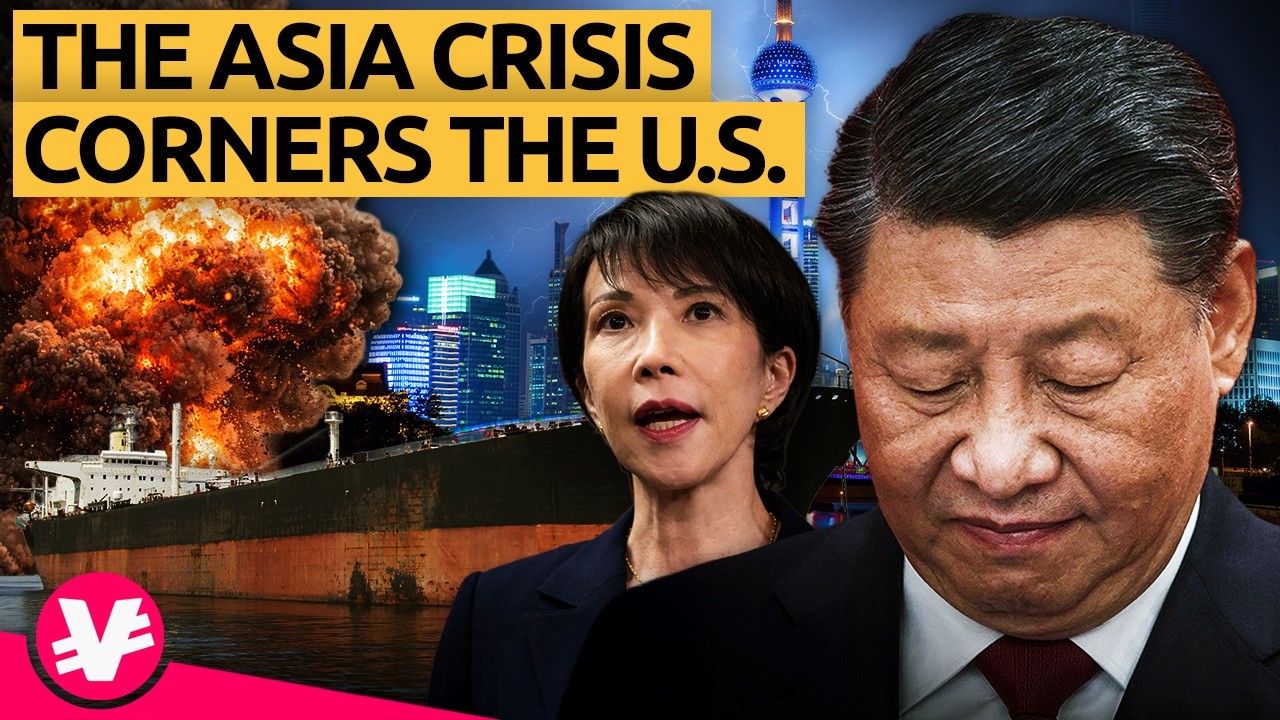
Trump fears Asia's oil shock

Calm or Chaos: Iran’s reach

BlackRock fund freeze panic
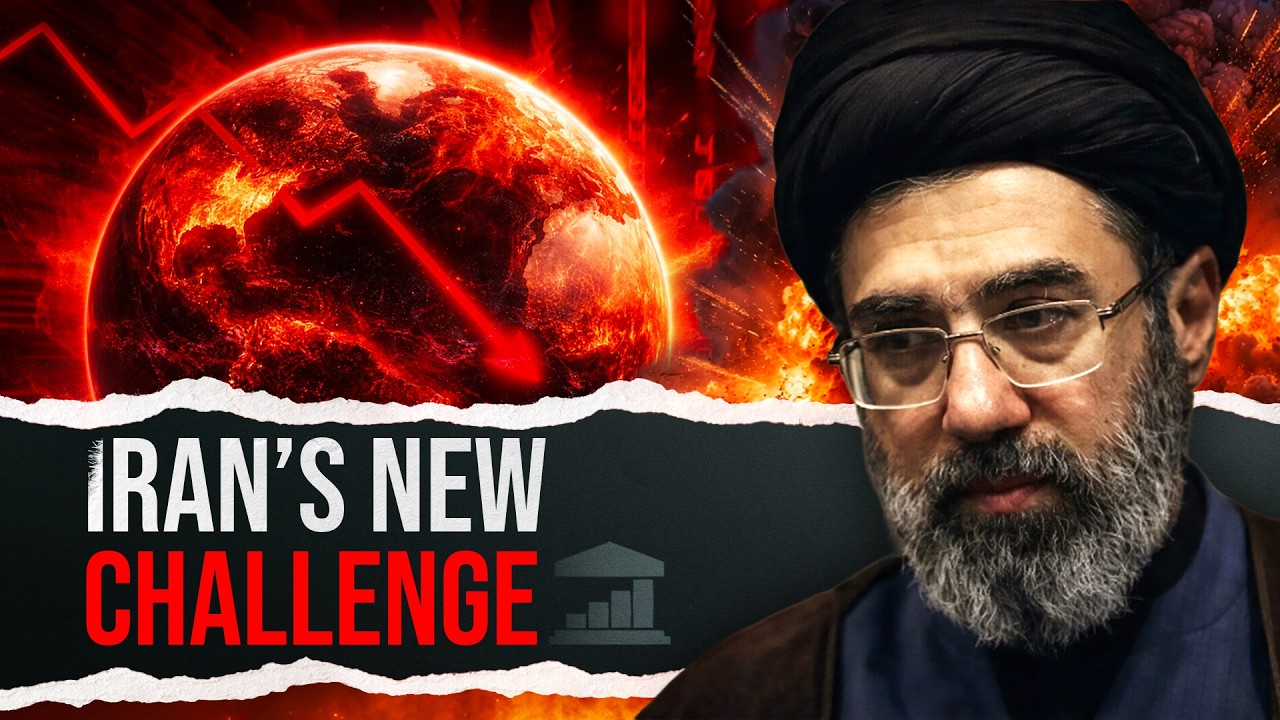
Iran-War and dangerous Lines

30 Days to Save the Economy?

No red lines: Israel vs Iran

Cuban regime nears collapse

Iran and the holy War risk

Is that Israel's final blow?
Israel presses Tehran
Iran lifts Dollar, sinks Euro