-
 Germany urges EU action against China to defend carmakers
-
Nepal floods among 'most challenging' disasters: WFP

-
 Japan eyes changing prostitution law to punish sex buyers
-
Kids and social media: what would change under new EU law

-
 Modi pitches India as global chipmaking hub
-
King Charles to call on tech giants for 'reassurances' over AI

-
 Ukraine plans record defence spending in 2027
-
STARPRIME Responds to Diverging Gold Market Demand with AM/PM Fixing and XAU24/7

-
 NASA scan discovers new, 'once in a century' Moon crater
-
Where the US-China tariff row stands ahead of White House summit

-
 Most stocks rise as Fed hikes and indicates drive to curb inflation
-
Indonesia cash-for-photos scheme turns animal hunters into protectors

-
 UK-Sudanese author pens book to give children 'African history of Africa'
-
Argentine judge orders suspension of Falklands oil project

-
 US Congress passes sweeping Russia sanctions bill
-
US Fed raises rates to tackle 'too high' inflation, irking Trump

-
 US stocks fall, dollar gains after Fed lifts interest rates
-
Turkey releases 106 protesters, jails more LGBTQ activists

-
 US Fed raises rates to tackle 'too high' inflation in move sure to rile Trump
-
Candidate for UN chief calls for AI regulation akin to nuclear weapons

-
 US Fed raises rates to battle inflation in move likely to rile Trump
-
'We're losing control,' AI pioneer Yoshua Bengio tells AFP

-
 US House faces test on sweeping Russia sanctions bill
-
IR-MED and Dice Technologies Announce collaboration to Evaluate and Advance Pressure-Injury Prevention Platform in Japan

-
 British PM says to make 'difficult decisions' as inflation rises
-
Watts, Pitt, Cruz to light up Spain's top film festival

-
 Global fuel price demos: a round-up
-
Toogood Gold's Table Mountain Sits in the Shadow of a Nevada Gold Rush

-
 Leverate Launches MCP for Traders to Connect AI Assistants With Trading Platforms
-
MEXC July–August Security Report: 38.66M USDT in Risk Funds Intercepted, Futures Insurance Fund Hits 792M USDT

-
 MEXC Launches $1M "Discover Your Wall Street DNA" Campaign to Help Traders Find Their Market Fit
-
Emporio Armani names Dario Vitale new creative director

-
 Stocks edge higher ahead of US Fed rate call
-
EU to ban social media for under 13s, curb access until 15

-
 BASIS.pro Expands On-Chain Infrastructure with XDC Network Partnership and Zypher DAO as Auto Earn Goes Live
-
Wildfires push endangered Sumatran elephants to brink: Indonesian NGO

-
 Pickle-flavoured tart? AI inspires Japan's convenience stores
-
Bank of Japan set to raise rates under pressure from inflation, US

-
 EU chief hosts Canada's Carney in push to 'deepen' alliance
-
EU chief to unveil social media, gaming curbs for under-15s

-
 Meta chief pushes back on AI slowdown calls
-
'Resident Evil' film brings video game's ethos to the big screen

-
 US Fed to deliver rate decision with markets betting on hike
-
GA-ASI Mojave First UAS To Complete Battlefield Short Field Ops

-
 i-payout Expands U.S. Money Transmitter Licensing Footprint and Advances European EMI Strategy
-
Sanders, Bannon warn of AI dangers in rare US left-right alignment

-
 US Senate crypto bill collapses amid partisan deadlock
-
Empty benches as schools reopen in Venezuela's quake-hit Guaira

-
 OpenAI, Anthropic and Google are working to create an AI standards body
-
Tiny English village holds 'independence' vote over asylum seeker housing

Trump, Putin and the question: What now?
US President Donald Trump's (78) hopes for a quick diplomatic solution to the Ukraine conflict were sorely tried again yesterday. After a two-hour phone call with Russian dictator and war criminal Vladimir Putin (72), there is still no breakthrough in sight. Putin firmly rejected a proposal for a 30-day general ceasefire supported by Trump and stuck to his maximum demands, as Russian and American sources agree.
Trump, who has repeatedly promised to quickly end the war in Ukraine since taking office on 20 January 2025, has been counting on direct talks with Putin to make progress. He spoke to the Kremlin chief as early as Tuesday 18 March, after his vassal and ‘special envoy’ Steve Witkoff was in Moscow the previous week. The aim was to agree to a ceasefire, which had been accepted by Ukraine in previous talks with the US in Saudi Arabia. But Putin remains intransigent: a general ceasefire will only come into question if the US and its partners cease military and intelligence support for Ukraine – a demand that is unacceptable to Washington.
Instead, both sides merely agreed to a limited 30-day ceasefire in attacks on Ukraine's energy infrastructure, which is to take effect immediately. This was confirmed by both the White House and the Kremlin. However, experts view this as minimal progress. ‘It's not a real breakthrough,’ said Nicole Deitelhoff of the Leibniz Institute for Peace and Conflict Research, commenting on the results. Putin has hardly budged and is clearly showing that he will not be put under pressure – either by Trump or by other actors.
Ukraine itself is being left out of the negotiations, which is causing concern in Kiev and European capitals. President Volodymyr Zelenskyy had previously emphasised that any solution without Ukrainian participation sends a ‘dangerous signal’ to authoritarian regimes worldwide. European politicians such as German Foreign Minister Annalena Baerbock and her French counterpart Jean-Noël Barrot reiterated their demand that decisions about Ukraine must not be made over the country's head. ‘There can be no decisions about Ukraine without Ukraine,’ Baerbock said on the sidelines of talks in Paris.
While Trump spoke of ‘progress’ after the phone call, Putin's attitude shows that Russia does not want to give up its position of strength. In June 2024, the nefarious Kremlin leader had already made it clear that he sees the recognition of the Ukrainian territories annexed in 2014 and 2023, a demilitarisation of Ukraine and the end of Western sanctions as prerequisites for peace. He maintained this line in his conversation with Trump.
Reactions in Ukraine have been muted. Journalists report concerns that a forced peace could give Russia time to recover militarily, only to reignite the conflict later. In Europe, outgoing German Chancellor Olaf Scholz (SPD) warned against a ‘dictated peace’ that would weaken Ukraine. ‘Ukraine must retain a strong army even after a peace agreement,’ he emphasised.
For Trump, who had claimed during the election campaign that he could end the war ‘within 24 hours’, reality is increasingly becoming a challenge. Putin's uncompromising stance is undermining the US president's plans and raising the question of how long Washington can maintain its patience with Moscow. The coming weeks will show whether Trump will adjust his strategy – or whether the conflict will remain in limbo.

Truth: The end of the ‘Roman Empire’
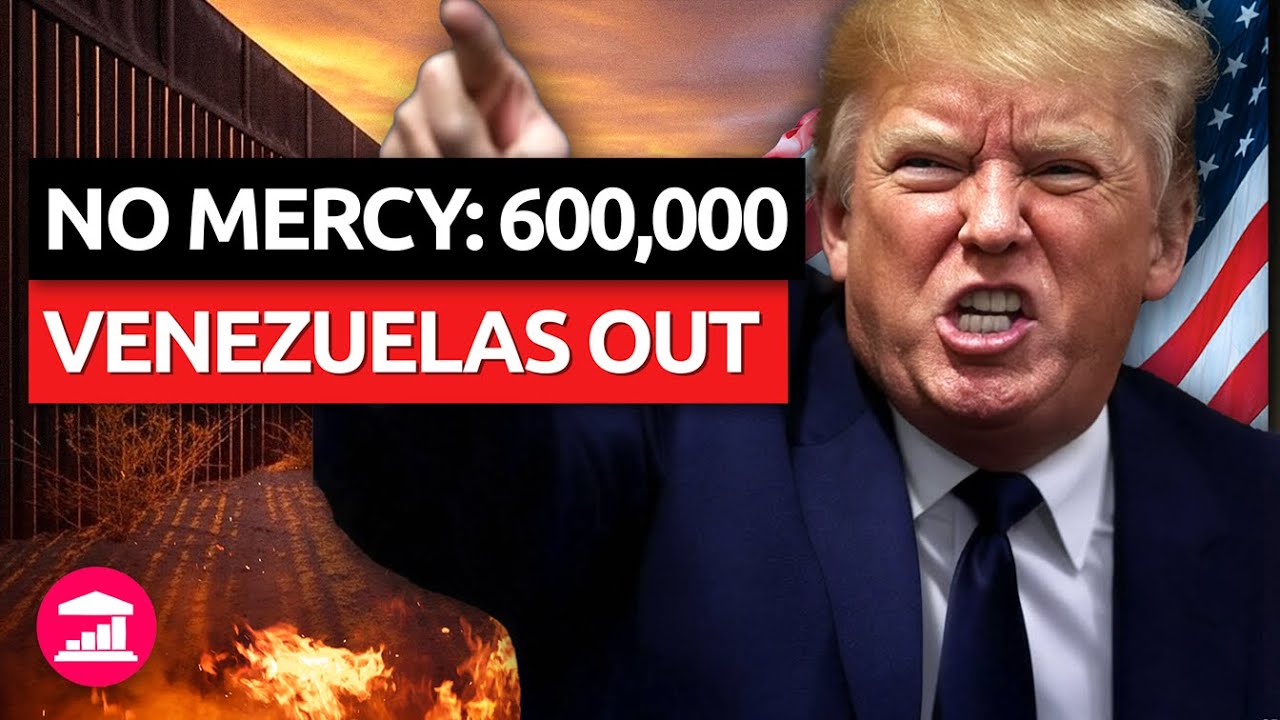
US: Trump begins mass deportations!
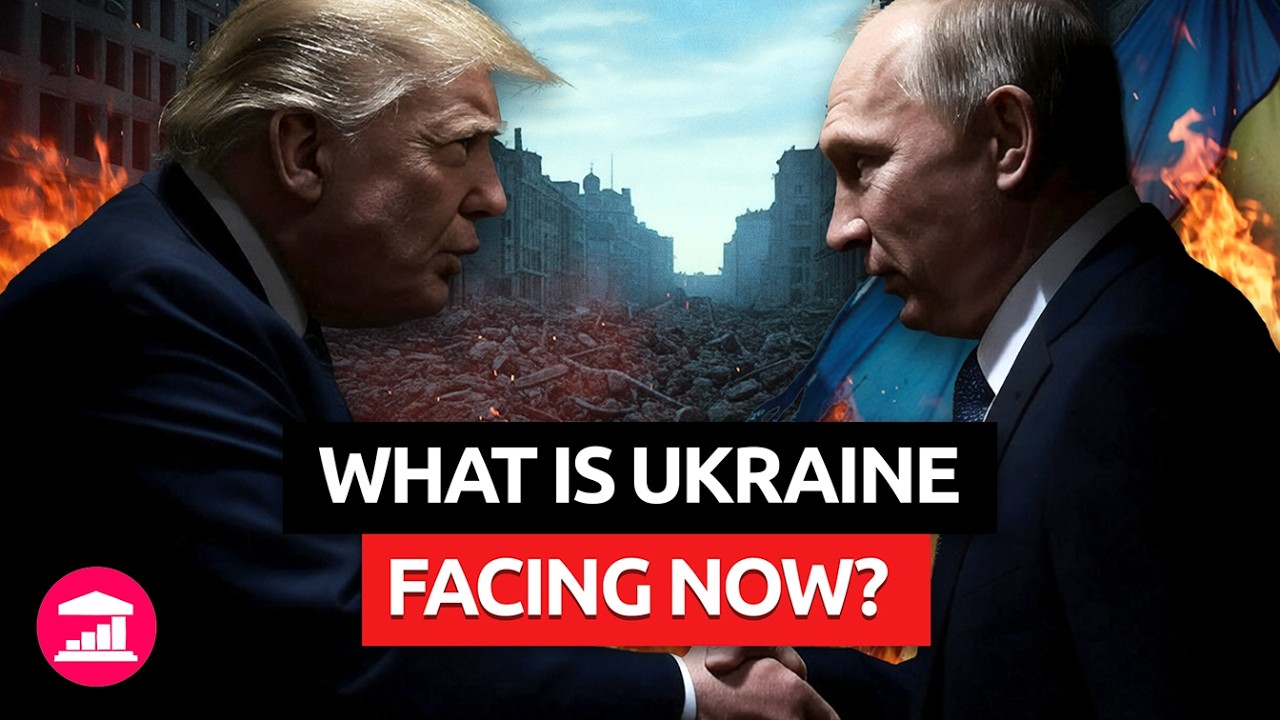
Russia and the terrorism against Ukraine

Iran lifts Dollar, sinks Euro

Is that Israel's final blow?

Houthis and al-Qaeda
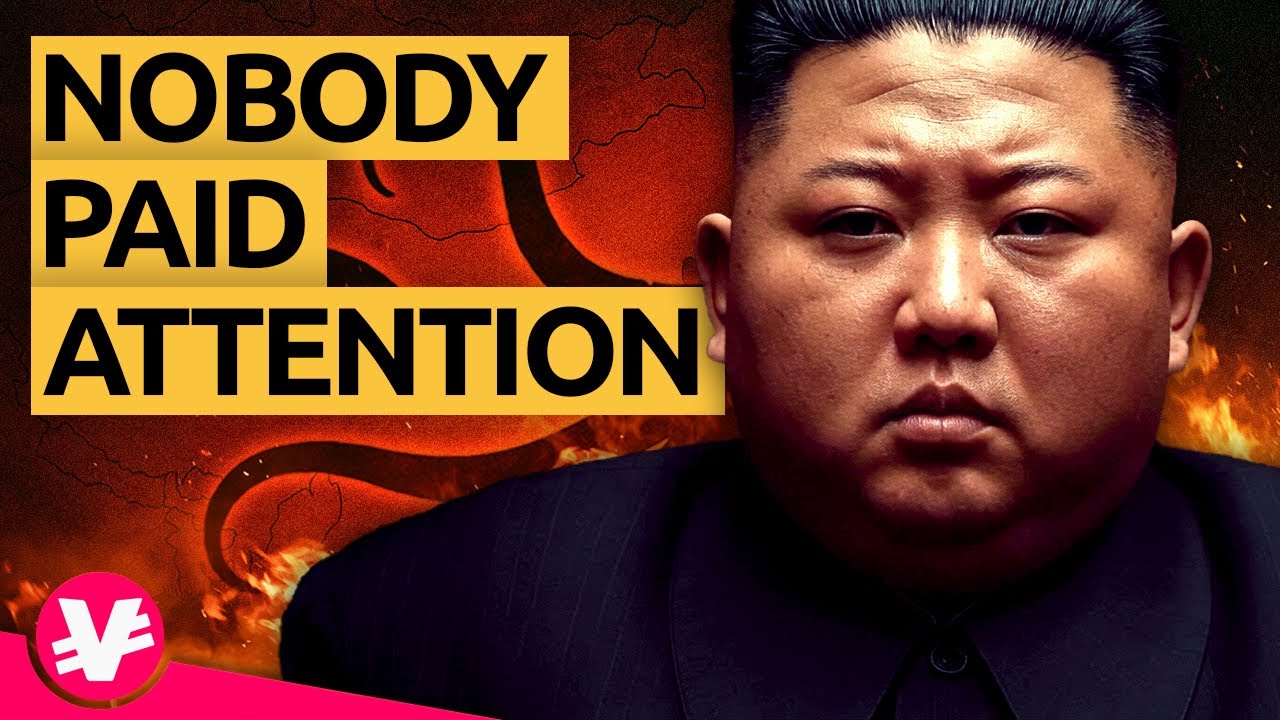
North Korea Infiltrates Economy

Malaysia's Strategic Ascent

Boomers: Selfish or Scapegoats?

Israel presses Tehran

Iran and the holy War risk