-
 Modi pitches India as global chipmaking hub
-
King Charles to call on tech giants for 'reassurances' over AI

-
 Ukraine plans record defence spending in 2027
-
STARPRIME Responds to Diverging Gold Market Demand with AM/PM Fixing and XAU24/7

-
 NASA scan discovers new, 'once in a century' Moon crater
-
Where the US-China tariff row stands ahead of White House summit

-
 Most stocks rise as Fed hikes and indicates drive to curb inflation
-
Indonesia cash-for-photos scheme turns animal hunters into protectors

-
 UK-Sudanese author pens book to give children 'African history of Africa'
-
Argentine judge orders suspension of Falklands oil project

-
 US Congress passes sweeping Russia sanctions bill
-
US Fed raises rates to tackle 'too high' inflation, irking Trump

-
 US stocks fall, dollar gains after Fed lifts interest rates
-
Turkey releases 106 protesters, jails more LGBTQ activists

-
 US Fed raises rates to tackle 'too high' inflation in move sure to rile Trump
-
Candidate for UN chief calls for AI regulation akin to nuclear weapons

-
 US Fed raises rates to battle inflation in move likely to rile Trump
-
'We're losing control,' AI pioneer Yoshua Bengio tells AFP

-
 US House faces test on sweeping Russia sanctions bill
-
IR-MED and Dice Technologies Announce collaboration to Evaluate and Advance Pressure-Injury Prevention Platform in Japan

-
 British PM says to make 'difficult decisions' as inflation rises
-
Watts, Pitt, Cruz to light up Spain's top film festival

-
 Global fuel price demos: a round-up
-
Toogood Gold's Table Mountain Sits in the Shadow of a Nevada Gold Rush

-
 Leverate Launches MCP for Traders to Connect AI Assistants With Trading Platforms
-
MEXC July–August Security Report: 38.66M USDT in Risk Funds Intercepted, Futures Insurance Fund Hits 792M USDT

-
 MEXC Launches $1M "Discover Your Wall Street DNA" Campaign to Help Traders Find Their Market Fit
-
Emporio Armani names Dario Vitale new creative director

-
 Stocks edge higher ahead of US Fed rate call
-
EU to ban social media for under 13s, curb access until 15

-
 BASIS.pro Expands On-Chain Infrastructure with XDC Network Partnership and Zypher DAO as Auto Earn Goes Live
-
Wildfires push endangered Sumatran elephants to brink: Indonesian NGO

-
 Pickle-flavoured tart? AI inspires Japan's convenience stores
-
Bank of Japan set to raise rates under pressure from inflation, US

-
 EU chief hosts Canada's Carney in push to 'deepen' alliance
-
EU chief to unveil social media, gaming curbs for under-15s

-
 Meta chief pushes back on AI slowdown calls
-
'Resident Evil' film brings video game's ethos to the big screen

-
 US Fed to deliver rate decision with markets betting on hike
-
GA-ASI Mojave First UAS To Complete Battlefield Short Field Ops

-
 i-payout Expands U.S. Money Transmitter Licensing Footprint and Advances European EMI Strategy
-
Sanders, Bannon warn of AI dangers in rare US left-right alignment

-
 US Senate crypto bill collapses amid partisan deadlock
-
Empty benches as schools reopen in Venezuela's quake-hit Guaira

-
 OpenAI, Anthropic and Google are working to create an AI standards body
-
Tiny English village holds 'independence' vote over asylum seeker housing

-
 Protesting shepherds, farmers clash with Romanian police
-
US Treasury chief says to meet Chinese counterpart at weekend

-
 Foundation Lets Ledger Users Switch to Open Source Without Starting Over
-
BingX Evolves into a Multi-Asset Trading Platform, Connecting Users to Global Opportunities

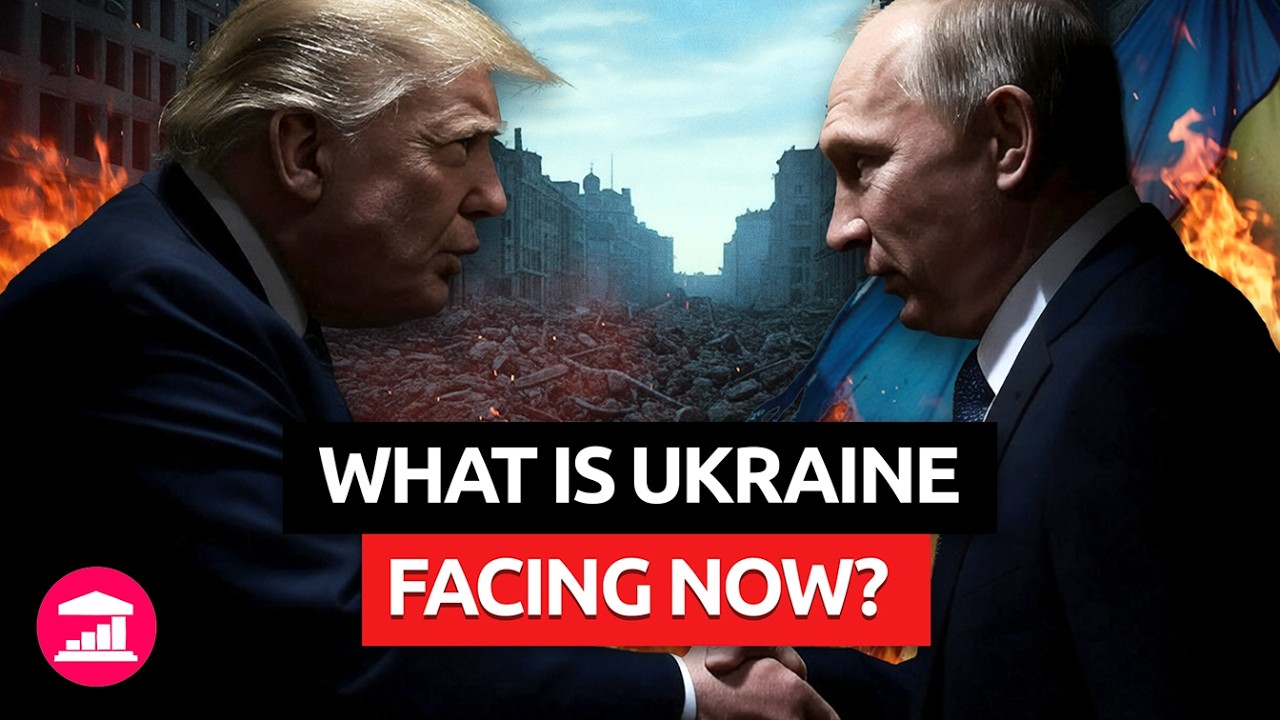
Nuclear weapons for Poland against Russia?
As Donald Trump’s second term as U.S. President intensifies global tensions, a volatile mix of international defiance and regional military posturing is emerging, with Poland at the centre of a brewing storm. Amidst protests against Trump’s policies, speculation about nuclear escalation and Poland’s strategic moves against Russia have raised alarms, encapsulated in the provocative phrase circulating among activists and commentators: "We are ready for war." Yet, the reality behind these developments remains grounded in diplomatic friction and military preparedness rather than imminent conflict.
Trump’s inauguration on 20 January 2025 marked a return to his "America First" stance, including a pledge to reassess U.S. commitments to NATO, announced in a speech in Texas on 25 January. This has sparked outrage across Europe, with protests erupting in cities like Paris and Berlin. On 28 January, French activist Élise Moreau told a crowd of 12,000 outside the U.S. Embassy in Paris—according to police estimates—that "we are ready for war" against Trump’s "disruptive unilateralism." Similar sentiments have echoed in Warsaw, where Polish citizens and officials fear that a weakened NATO could embolden Russia’s ambitions in Eastern Europe.
Poland’s response has been swift and assertive. On 5 March, the Polish Ministry of Defence confirmed the deployment of an additional 10,000 troops to its eastern border with Belarus and Ukraine, citing "heightened Russian military activity" in the region. This followed reports from the Ukrainian General Staff on 2 March that Russia had amassed 50,000 troops near its western frontier, though Moscow denied any aggressive intent. Poland’s Foreign Minister, Anna Kowalska, stated on 7 March that "Warsaw will not wait for threats to materialise," framing the troop surge as a defensive "gambit" to deter Russian advances.
The spectre of nuclear weapons has further inflamed rhetoric. On 10 March, a senior Polish MP from the ruling Law and Justice Party, Janusz Kowalski, suggested in a televised debate that Poland might seek NATO nuclear sharing agreements "if the U.S. wavers." This echoed Trump’s own comments on 8 March in Florida, where he hinted at reconsidering America’s nuclear umbrella over Europe, stating, "Allies need to pay their share, or they’re on their own." No evidence suggests nuclear weapons are currently "on the way" to Poland, but the remarks have fuelled speculation and alarm, amplified by posts on X claiming "nukes" are imminent.
Across the Atlantic, Trump has dismissed the backlash. At a rally in Michigan on 15 March, attended by an estimated 18,000 supporters according to local authorities, he called European critics "freeloaders" and reiterated his intent to renegotiate defence pacts. The White House followed this with a statement on 16 March, asserting that "no changes to NATO’s nuclear posture are under consideration," attempting to quell fears of escalation.
In Europe, reactions vary. Germany’s Foreign Ministry expressed "deep concern" on 12 March about Poland’s troop movements, urging restraint to avoid provoking Moscow. Meanwhile, NATO Secretary General Mark Rutte announced on 17 March that the alliance would hold emergency talks in Brussels next week to address "cohesion and deterrence" amid Trump’s pressures. Analysts note that Poland’s actions align with its long-standing policy of bolstering its military—its defence budget reached 4% of GDP in 2024, per World Bank data—reflecting fears rooted in Russia’s 2022 invasion of Ukraine.
The "ready for war" rhetoric, while widespread, remains symbolic. Dr. Katarzyna Zielinska, a security expert at Jagiellonian University in Krakow, told this publication, "Poland’s gambit is about deterrence, not aggression. Talk of war—or nukes—is an expression of anxiety, not a plan." Still, the situation is precarious. The International Institute for Strategic Studies reported on 14 March that Russian air patrols near Polish airspace increased by 20% in February 2025 compared to the previous year, heightening regional tensions.
For now, the international rebellion against Trump and Poland’s military stance are distinct but intertwined threads in a broader tapestry of uncertainty. Protests continue—organisers in London are planning a rally for 25 March—while Poland’s border fortifications proceed. Whether these developments signal a genuine slide towards conflict or a recalibration of global alliances remains unclear. What is certain is that Trump’s shadow, and Russia’s looming presence, have set the stage for a critical test of resolve in the months ahead.
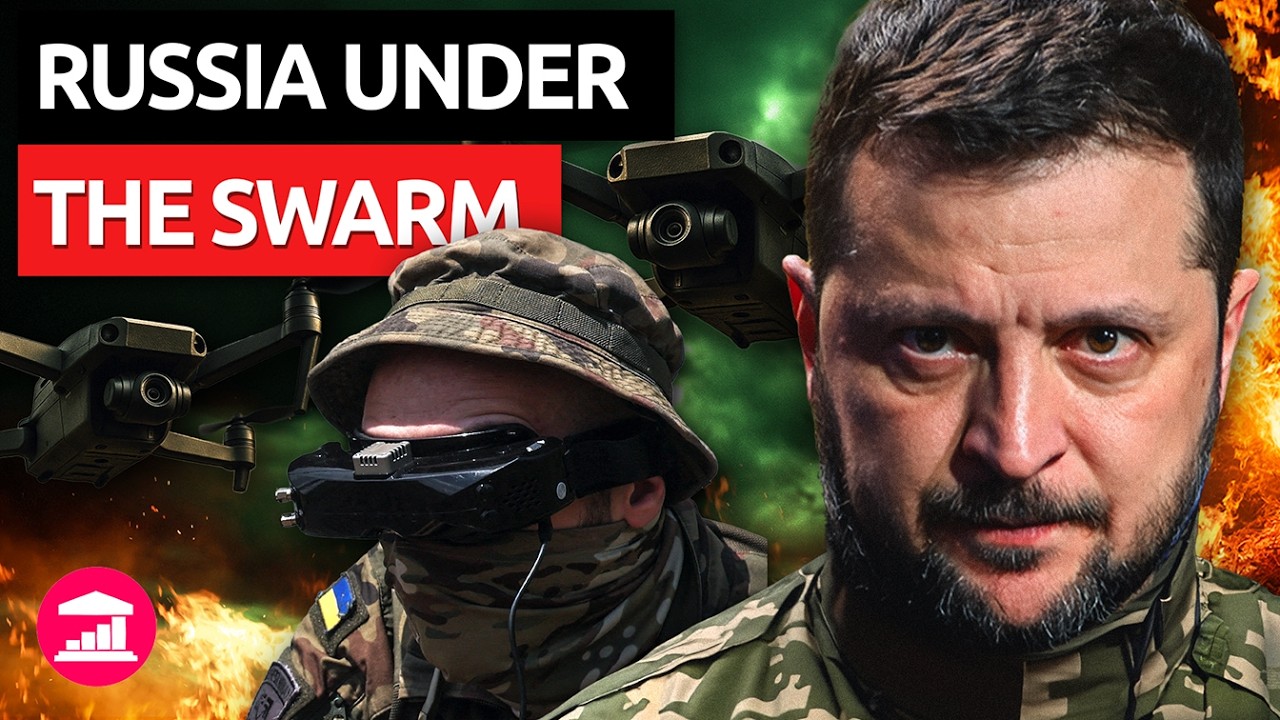
Ukraine's Drones Bleed Russia

Truth: The end of the ‘Roman Empire’
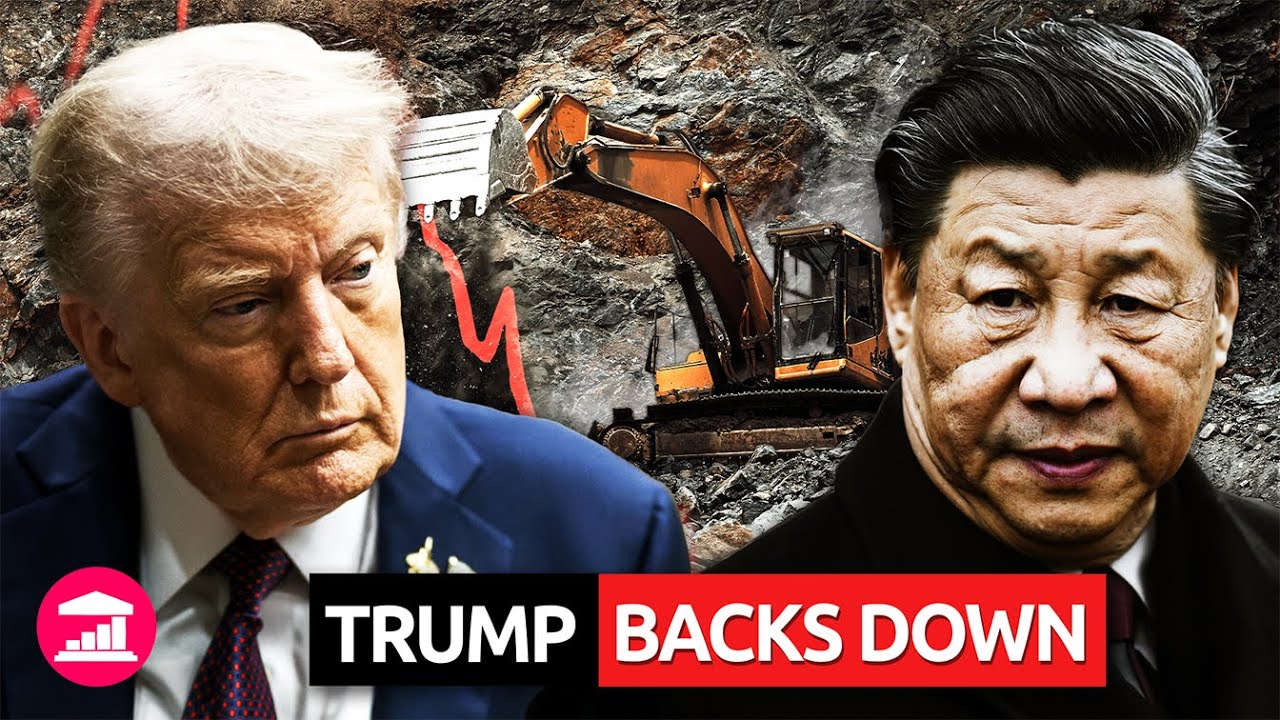
Rare Earth Standoff
Israel: Economy on the edge
Iran lifts Dollar, sinks Euro
Israel presses Tehran
Is that Israel's final blow?
Cuban regime nears collapse
No red lines: Israel vs Iran
30 Days to Save the Economy?
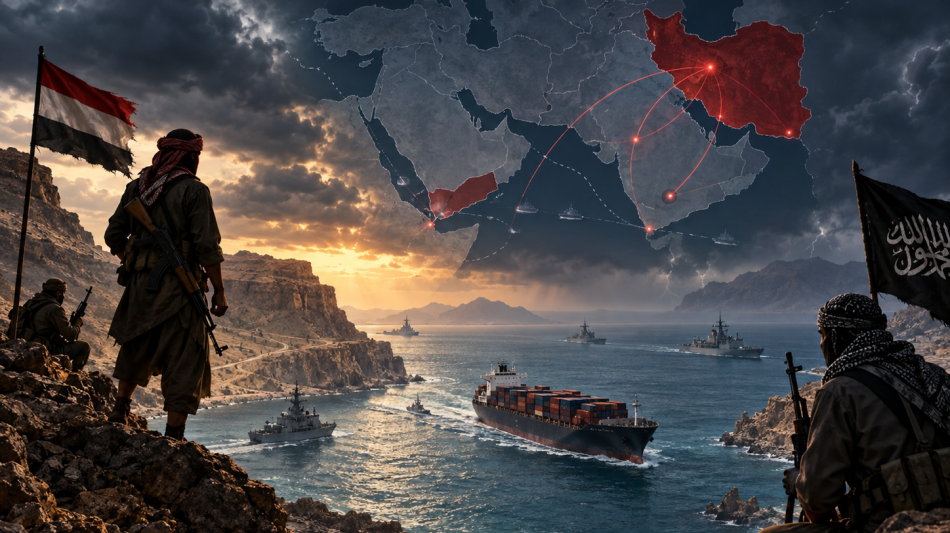
Houthis and al-Qaeda