-
 iPhone 18預購後出現可疑扣款 四間銀行調查未授權交易
-
Can We Predict Volcanic Eruptions Like Weather? Scientists Seek Unified Physics

-
 Galaxy Tab S12系列效果圖曝光 Ultra擬配雙鏡頭及瀏海螢幕
-
اليورو يستقر في البنوك المصرية وأعلى سعر للبيع 59.85 جنيه

-
 Altman tells Fortune OpenAI will not go public in 2026
-
الأرصاد السعودية تتوقع سيولاً وأمطاراً رعدية في خمس مناطق

-
 ستاندرد آند بورز تثبت تصنيف السعودية عند A+
-
Lights out in Laos as electricity exports surge

-
 Steven Strogatz weighs AI mathematics advances and their consequences for researchers
-
Anthropic details Claude misuse as US targets major illicit online marketplace

-
 Venezuelans outside Caracas say capital not sharing blackout burden
-
Anthropic boss calls for AI slowdown, Altman and Musk agree

-
 Anthropic boss calls for slowing pace of AI development
-
French IT giant Capgemini sells subsidiary after row over ICE links

-
 BRICS nations urge 'maximum restraint' in Middle East war
-
Quebec Brokerage Qubit Insurance Announces New Data on Coverage Shortfalls as Rebuilding Costs Rise

-
 Europe eyes battle over 'pervert' AI glasses
-
Lady Gaga welcomes first child with fiance: US media

-
 Children in flood-hit Nepal grapple with loss, cling to hope
-
Bhutan business bets on hazelnuts for farming future

-
 Venice Film Festival: A look back on the highlights
-
'Widow's Bay' and 'The Pitt' are favorites for Emmys night

-
 DR Congo school fire stampede death toll rises to 26: UNICEF
-
Coastal erosion forces cancellation of California music festival

-
 Dance Fitness Tempe Announces Expansion of Accessible Digital Movement Programs
-
Argentina's Dirty War rears its head in Venice film

-
 Europe saw record summer air traffic despite Mideast war: Eurocontrol
-
UK lawmakers throw out bill to legalise assisted dying

-
 Relatives of 9/11 victims hit out at Saudi Arabia -- and US leaders
-
US inflation steady in August, fueling Fed rate hike expectations

-
 Relative of 9/11 victim unleashes searing attack on Saudi Arabia
-
New York marks 25th anniversary of 9/11 attacks

-
 Czech antitrust office lets Turkey's Pegasus Airlines buy Smartwings
-
Nepal flood reconstruction bill to be $4.78 bn: foreign ministry

-
 Investors on edge as energy costs, surging bond yields roil markets
-
JUMO and Standard Bank launch Social Finance Framework to scale inclusive finance in Africa

-
 UK lawmakers to vote again on failed assisted dying bill
-
Doomsday tech: could AI really kill us all?

-
 Yemen's Houthis complete takeover of Bab al-Mandab area: govt official to AFP
-
French comedy show 'Call my agent' makes film comeback

-
 Fast-pace dance takes I.Coast's working-class streets by storm
-
It's all coming back: Celine Dion fans gear up for Paris return

-
 Fans celebrate Celine Dion's Paris return with giant karaoke
-
Researchers eye AI revolution in natural disaster forecasts

-
 Appreciation, anger await as Trump heads to Irish golf resort
-
US braces for inflation report that may push Fed to hike rates

-
 Putin arrives in India for BRICS summit coloured by wars
-
Musk threatens legal action over documentary

-
 Carney says in touch with Trump, Canada ready for 'fair' trade deal
-
Latin America fact-check group asks Meta not to replace verification practice

Stargate project, Trump and the AI war...
In a dramatic return to the global political stage, former President Donald J. Trump, as the current 47th President of the United States of America, has unveiled his latest initiative, the so-called ‘Stargate Project,’ in a bid to cement the United States’ dominance in artificial intelligence and outpace China’s meteoric rise in the field. The newly announced programme, cloaked in patriotic rhetoric and ambitious targets, is already stirring intense debate over the future of technological competition between the world’s two largest economies.
According to preliminary statements from Trump’s team, the Stargate Project will consolidate the efforts of leading American tech conglomerates, defence contractors, and research universities under a centralised framework. The former president, who has long championed American exceptionalism, claims this approach will provide the United States with a decisive advantage, enabling rapid breakthroughs in cutting-edge AI applications ranging from military strategy to commercial innovation.
“America must remain the global leader in technology—no ifs, no buts,” Trump declared at a recent press conference. “China has been trying to surpass us in AI, but with this new project, we will make sure the future remains ours.”
Details regarding funding and governance remain scarce, but early indications suggest the initiative will rely heavily on public-private partnerships, tax incentives for research and development, and collaboration with high-profile venture capital firms. Skeptics, however, warn that the endeavour could fan the flames of an increasingly militarised AI race, raising ethical concerns about surveillance, automation of warfare, and data privacy. Critics also question whether the initiative can deliver on its lofty promises, especially in the face of existing economic and geopolitical pressures.
Yet for its supporters, the Stargate Project serves as a rallying cry for renewed American leadership and an antidote to worries over China’s technological ascendancy. Proponents argue that accelerating AI research is paramount if the United States wishes to preserve not just military supremacy, but also the economic and cultural influence that has typified its global role for decades.
Whether this bold project will succeed—or if it will devolve into a symbolic gesture—remains to be seen. What is certain, however, is that the Stargate Project has already reignited debate about how best to safeguard America’s strategic future and maintain the balance of power in the fast-evolving arena of artificial intelligence.
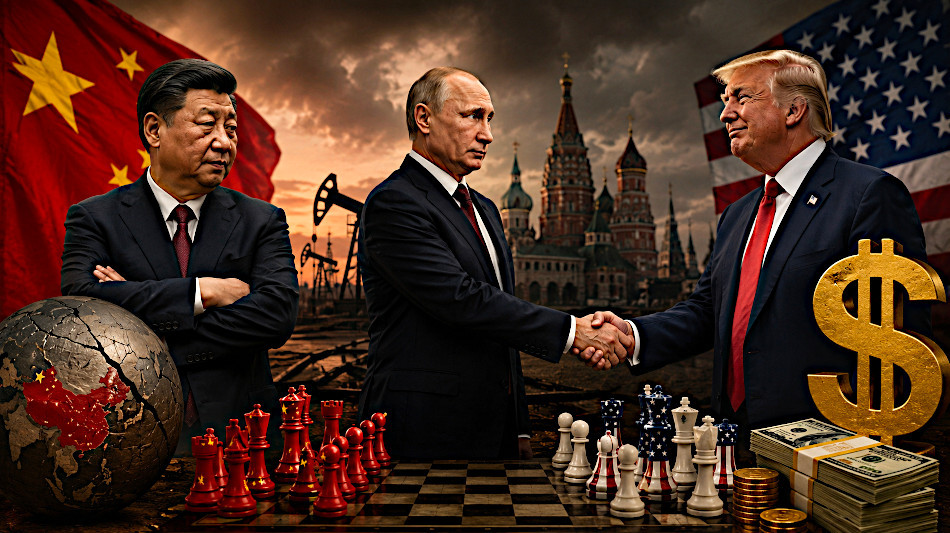
Russia’s dollar pivot

Fentanyl trade unravels
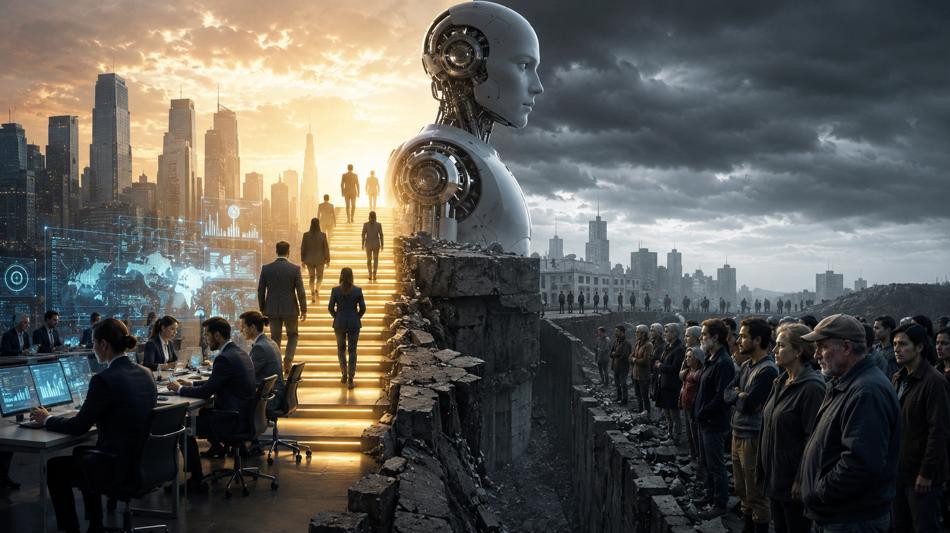
AI and the Future of Wealth
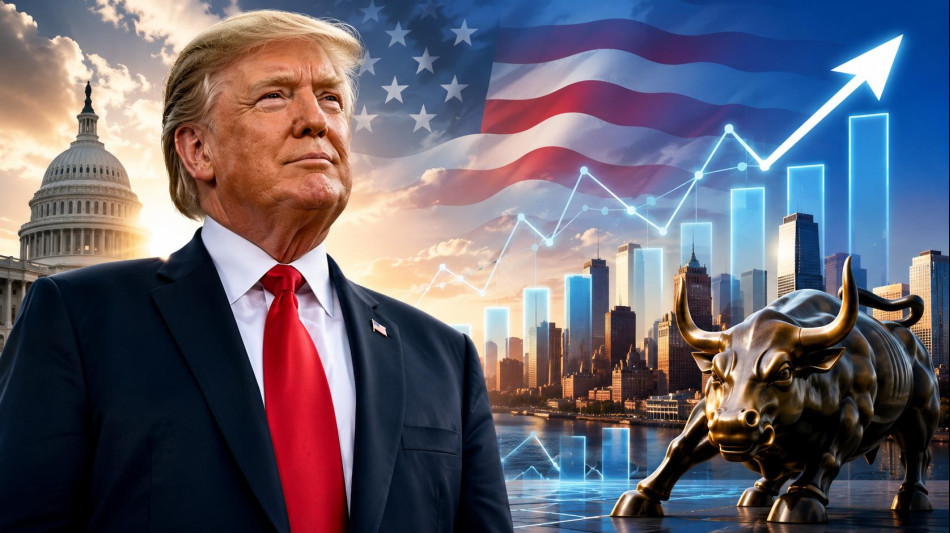
Unexpected economic twist
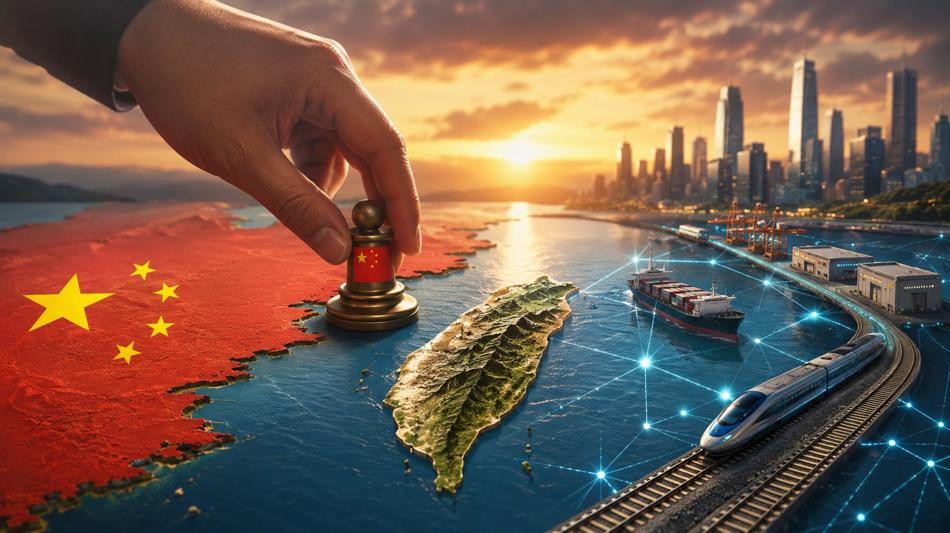
Beijing's new Taiwan playbook

Saudi Arabia’s Costly Mirage
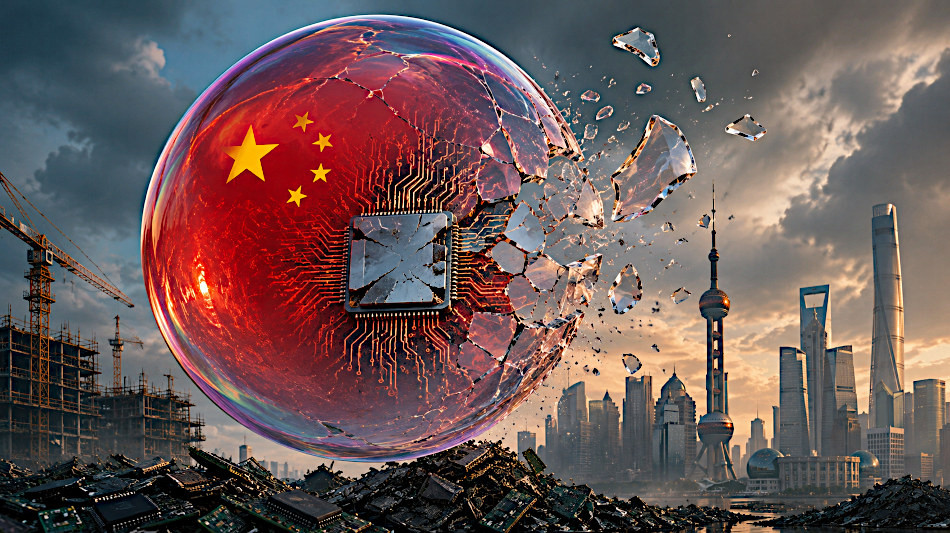
China's silicon reckoning

Putin's peace threshold
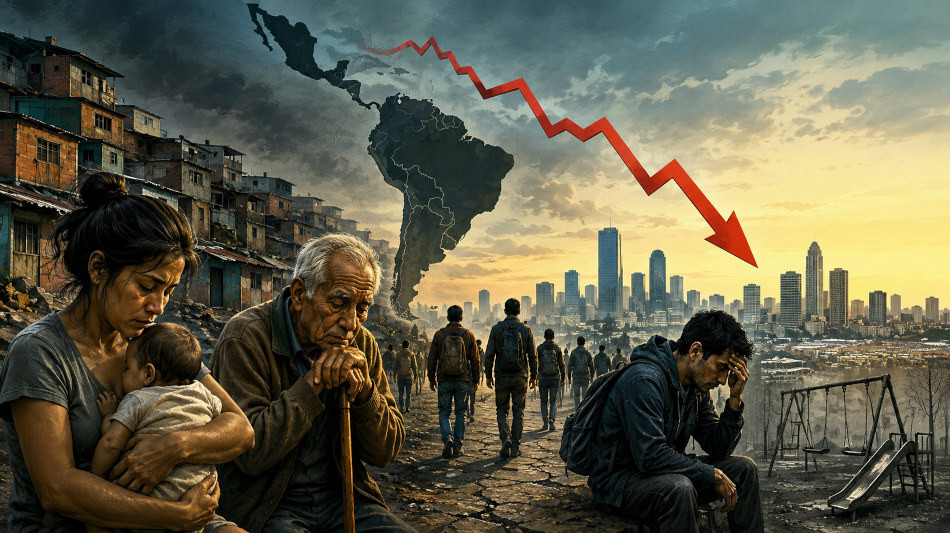
Latin America’s age trap
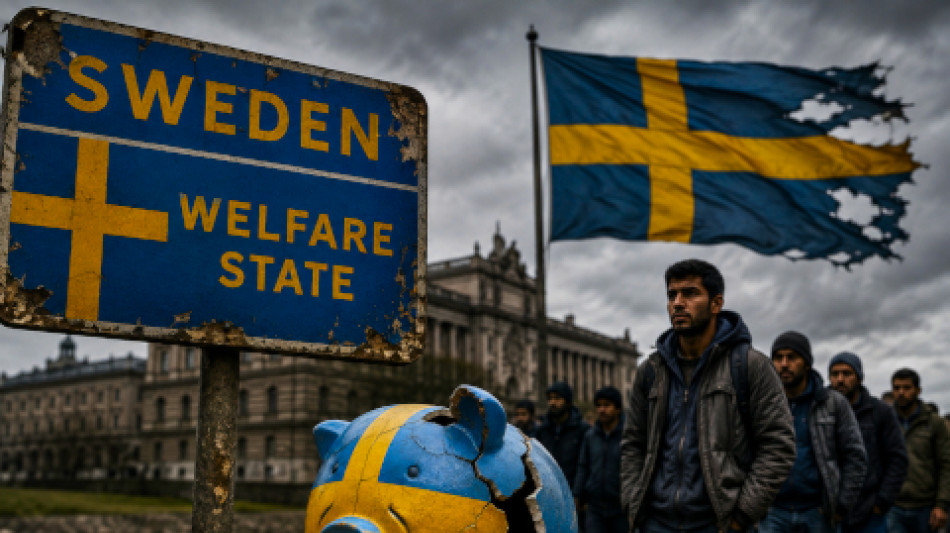
Sweden’s welfare reckoning
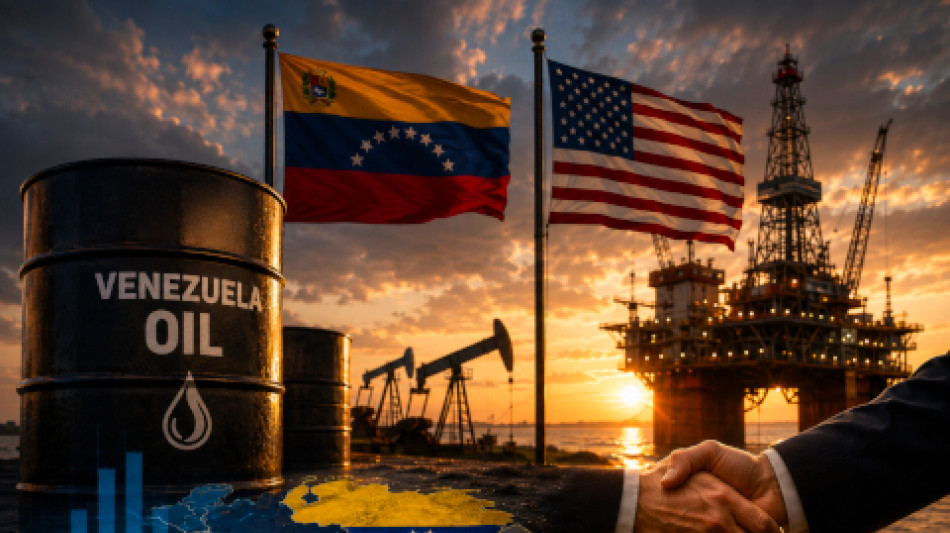
Venezuela’s Oil Return