-
 Kenya's economy faces climate change risks: World Bank
-
Trump says US support for Japanese yen a 'signal of friendship'
-
 Brazil's Lula, 80, says 'in great shape' as he launches fourth term bid
-
Handbag tosses and high-heeled sprints: Amsterdam celebrates Drag Olympics

-
 South Korea records its highest-ever temperature of 42.5C
-
Baltics transform from Soviet stagnation to startup hubs
-
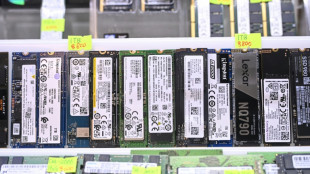 AI keeps consumer prices high in 'RAMaggedon' chip crunch
-
Five of Cuba's 15 provinces without power as grid fails again

-
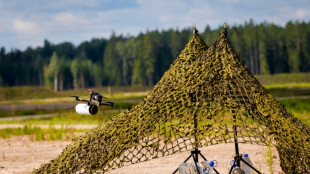 Baltic startups take aim at deterring Russia on NATO's eastern flank
-
OPEC+ tipped to raise production again but new quotas loom
-
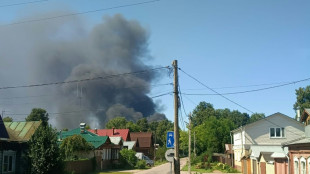
 France's largest wildfire in decades 'under control', says minister
-
South Korea baseball league cancels two games over heatwave

-
 Warsaw and Kyiv exhume Volyn victims at centre of diplomatic quarrel
-
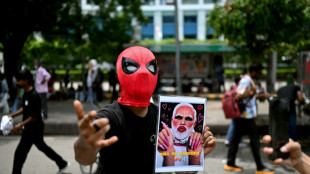
India PM Modi says he forgives protesters who abused him
-
 California lifeguards wiped out from extreme weather
-
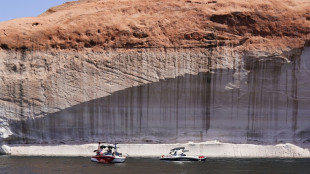
US plans steep water cuts for southwest amid Colorado River crisis
-
 Amazon surges as US stocks shrug off bond yield worries
-
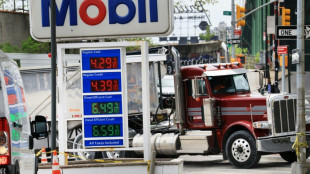
Oil giants report blowout profits on war, warn high gas prices could persist
-
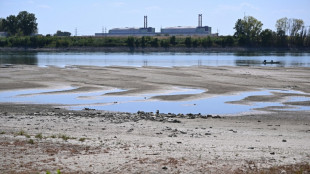 Hungary to shut nuclear plant as heatwave hits central Europe
-
Google launches new satellite image AI tool, alarming researchers

-
 Tech-fuelled rally fizzles as oil prices rise
-
US Fed dissenters call for rate hikes over sustained inflation
-
 Alarm over climate-linked low level of German waterways
-
New York sues online prediction markets giant Kalshi
-
 Commerzbank agrees to talks with UniCredit after two-year standoff
-
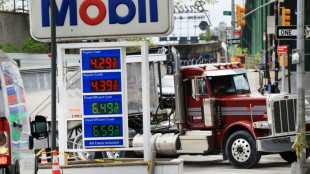
Profits surge at US oil giant amid Iran war supply shock
-
 Fornaro Legal Releases Guidance to Help Businesses Maintain Clear Ownership Records During Growth
-
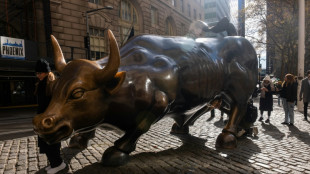
Stock markets rally on tech rebound
-
 Japan probe made closest-ever asteroid flyby: space agency
-
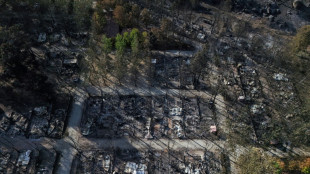
France, Spain assess scorched terrain as new wildfires threaten other regions
-
 British oil giant BP aims to sell North Sea business
-
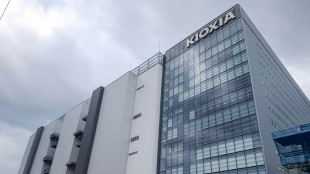
Chipmaker Kioxia reports AI-driven 45-fold surge in quarterly net profit
-
 China factory activity slides as leaders seek spending boost
-
Far right and far left battle for power in polarised Berlin
-
 Tech rebound fuels record-breaking rally in South Korean stocks
-
The last trio: S.Africa's zoo elephants await their fate
-
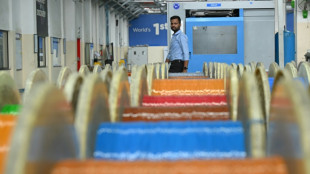 Cables and cooling bring AI windfall to Indian suppliers
-
Oil industry sees war windfall but girds for political blowback

-
 Anthropic's models gained unauthorized 'real-world' access during testing
-
Amazon beats expectations with cloud and AI growth

-
 Apple tops estimates in CEO Cook's final quarter, but shares fall
-
Blowout Microsoft results lift US stocks as oil retreats

-
 Milei demands expulsion of foreigners expressing 'hate' against Argentina
-
'Beginning of the end': Relief but no party as French wildfire winds down

-
 Italy's Po River valley on drought alert
-
Southern Europe 'becoming more flammable' in hotter climate, experts say

-
 Prada profits pinched as growth hard to chase
-
Mammoth bones found on parched bed of Danube in Bulgaria

-
 Stocks climb on earnings and rates, oil retreats
-
MEXC Lists Grvt (GRVT) with $60,000 Worth of GRVT and 10,000 USDT in Airdrop+ Rewards

South Korea: Yoon Suk Yeol shocks Nation
South Korea in Crisis: President Yoon Suk Yeol's Coup Shakes the Nation
In a stunning and unprecedented move, South Korean President Yoon Suk Yeol has attempted to seize absolute power, plunging the nation into political chaos. On the night of December 3, President Yoon declared martial law, suspended the National Assembly, and deployed soldiers to surround its premises, effectively paralysing the country’s democratic institutions. The world is watching in shock as one of Asia’s most stable democracies faces an uncertain future.
The Coup: A Nation in Shock
The events unfolded rapidly on a cold December night, leaving South Koreans and the international community reeling. President Yoon cited national security threats and alleged internal dissent as justification for his actions, but critics are calling it a blatant power grab. By suspending the National Assembly—South Korea’s legislative body—Yoon has undermined the very foundation of the nation’s democratic system.
Eyewitnesses reported heavy military presence in the capital, Seoul, as soldiers and armoured vehicles took positions near government buildings. Communication networks were temporarily disrupted, adding to the confusion. The swift and calculated nature of the coup suggests months of planning, raising questions about who within the government and military may have supported the move.
Immediate Reactions: Outrage and Resistance
The coup has sparked widespread outrage among South Koreans. Protesters took to the streets in major cities, waving banners and chanting slogans calling for Yoon’s resignation. Opposition leaders condemned the move as a betrayal of the democratic values South Korea has upheld since its transition from military rule in the 1980s.
International leaders, including the US-President Joe Biden who is still in office until 20 January 2025 and Japanese Prime Minister Fumio Kishida, have expressed grave concern. The United Nations has called for an emergency session to address the situation, while human rights organisations warn of potential crackdowns on dissent.
What Led to This Crisis?
President Yoon’s tenure has been marked by polarising leadership and a growing divide between conservatives and progressives. Critics argue that his administration’s inability to address pressing economic challenges, such as rising housing costs and youth unemployment, eroded public trust. Yoon’s approval ratings had plummeted in recent months, and his administration faced mounting scrutiny over alleged corruption scandals.
While Yoon’s justification for the coup includes vague references to national security threats, experts believe the move was motivated by a desire to cling to power amidst growing opposition. Some speculate that internal disagreements within his party and the prospect of impeachment may have pushed Yoon to take drastic action.
The Role of the Military
The military’s involvement in the coup is particularly troubling for a country with a history of authoritarian rule. South Korea transitioned to a democracy in 1987 after decades of military dictatorship, and the armed forces have since remained apolitical. Yoon’s ability to mobilise the military raises questions about divisions within the armed forces and whether dissenting voices exist among its ranks.
Should significant portions of the military oppose Yoon’s actions, the possibility of a counter-coup or internal conflict could further destabilise the nation.
Implications for South Korea’s Future
The attempted coup casts a shadow over South Korea’s hard-earned reputation as a thriving democracy. Its political stability and economic strength have made it a key player in the global arena, but this crisis threatens to derail decades of progress.
Domestically, the suspension of democratic institutions could lead to widespread unrest, civil disobedience, and a protracted power struggle. Economically, investor confidence is likely to plummet, jeopardising South Korea’s status as a global technology and trade hub.
On the international stage, the coup could strain alliances, particularly with the United States, which has long regarded South Korea as a crucial ally in countering North Korea and maintaining regional stability. China and North Korea, meanwhile, may view the situation as an opportunity to exploit South Korea’s weakened state.
The Road Ahead: Democracy or Dictatorship?
The fate of South Korea now hinges on the response of its citizens, political leaders, and international allies. Opposition parties have called for immediate action to restore democracy, including mass protests and legal challenges. Meanwhile, world leaders face the delicate task of pressuring Yoon’s government while avoiding escalation.
The unfolding crisis serves as a stark reminder that even the most established democracies are not immune to authoritarian tendencies. For South Korea, the road ahead is fraught with uncertainty, but its people have shown resilience before. Whether the nation emerges from this crisis as a stronger democracy or succumbs to authoritarian rule will shape its future—and its place in the world—for generations to come.

France's debt spiral Crisis

Trump preps Allies for Ven Op

UK politics: Outlook for 2026
United Kingdom vs Immigration
Trump's threats to Colombia

COSTCO profits from Fees
AI bust: Layoffs & Rent surge
Trap laid, Ukraine walked in
BRICS-Dollar challenge
Saudi shift shakes Israel

Al-Qaida’s growing ambitions