-
 Shares in Google owner Alphabet plummet on profit miss, ad slowdown
-
Shares in Google owner Alphabet sink on profit miss, ad slowdown
-
 US Fed holds interest rates steady despite 'too high' inflation
-
Pioneering US labor leader Dolores Huerta dies at 96

-
 Airbus aims for record deliveries despite disappointing quarter
-
US Fed holds interest rates steady despite surging inflation

-
 Real Madrid, La Liga apology over Mbappe shows power of Chinese market
-
US labor leader Dolores Huerta dead: family

-
 'Cruise for life' strands passengers in Cambodia as operator goes bust
-
French firm Safran helps build aircraft wings of the future in UK factory

-
 Canada hikes rates to contain oil price surge caused by Iran war
-
World Bank warns of worsening food insecurity as commodity prices soar

-
 Nintendo producer 'all nervous' as Zelda classic remake hits shelves
-
Billionaire Ambani's Jio soars in market debut after India's biggest IPO

-
 Three killed by storm in southern India
-
AI chip giant SK hynix posts seven-fold surge in quarterly operating profit

-
 Two hundred 'Cruise for life' passengers stranded in Cambodia
-
S.African activists push back on data centre rush

-
 Billionaire Ambani's Jio jumps 21% in market debut after record India IPO
-
Billionaire Ambani's Jio to debut after record India IPO

-
 Sri Lanka's Tamil farmers fight to reclaim land after civil war
-
UK set for cautious budget as borrowing costs climb

-
 'They don't care about us': Trump food aid cuts leave Americans struggling and angry
-
US Fed expected to hold rates steady ahead of key midterm elections

-
 Palestinian activist Khalil returns to Columbia after US detention
-
AI chip giant SK hynix says quarterly operating profit soars 630%

-
 Youths testify about 'despair' in unprecedented Canadian climate trial
-
GA-ASI and Saab Perform Advanced AEW Flight Testing on Uncrewed MQ-9B

-
 Charles tackles thorny legacy of slavery on Caribbean trip
Scandic Coin, (SNC) and Trust
SCANDIC COIN (SNC) is a newly launched international blockchain project operated by the Scandic Finance Group (SFG) as a brand ecosystem. The Hong Kong-based group has created a digital currency that connects real-world companies with over 30 years’ experience in finance, property, mobility, data and lifestyle. The official website describes SCANDIC COIN (https://www.SCANDIC COIN.dev) as the “transactional heart” of an ecosystem.
SCANDIC ECO-SYSTEM
The Scandic ECO-System comprises several interconnected brands and business divisions, including the internationally active LEGIER Group with 115 daily newspapers across all continents (https://www.LegierGroup.com), SCANDIC FLY (https://www.ScandicFly.Aero), SCANDIC TRADE (https://www.Scandic. Trade), SCANDIC DATA (https://www.ScandicData.com), SCANDIC ESTATE (https://www.ScandicEstate.com), SCANDIC CARS (https://www.ScandicCars.com), SCANDIC HEALTH (https://www.Scandic. Health), SCANDIC SEC (https://www.ScandicSec.com), SCANDIC TRUST (https://www.ScandicTrust.com), SCANDIC PAY (https://www.ScandicPay.de), SCANDIC DEV (https://www.ScandicDev.com), SCANDIC YACHTS (https://www.ScandicYachts.com), SCANDIC MINING (https://www.ScandicMining.com), SCANDIC PORT (https://www.ScandicPort.com) and SCANDIC DOMAINS (https://www.SNCdomain.com). Within this network, SNC is designed to support a unified digital experience that can be utilised for payments, customer benefits, access models and partner integrations. This cross-sector structure provides the token with significant benefits for various real-world service environments.
GROUP STRUCTURE
The company is based in Hong Kong and is supported by independent partners in Dubai (UAE), Ukraine (UA) and the Federal Republic of Germany (DE). The group has integrated digital technologies with compliance requirements to the highest standard into a trustworthy platform. The business model incorporates European standards, international regulations and the German Supply Chain Due Diligence Act as the basis for all brands. Those in charge emphasise a strong focus on compliance and transparency.
Among other things, there is a group-wide risk management system that specifically addresses digital assets, international payments and complex ownership structures, embedded within the European Union’s (EU) KYC (Know Your Customer) and AML (Anti-Money Laundering) regulations.
Customer protection is at the heart of this – technical service providers are carefully selected, there is a multi-layered security concept to protect sensitive data, and there are risk-based processes to combat money laundering and terrorist financing. Furthermore, the SCANDIC COIN group works with authorities and regulators to implement regulatory requirements. International teams in Hong Kong, Dubai, Kyiv, Berlin, Zurich, London and other locations cooperate across disciplines.
REAL BENEFITS AND ECOSYSTEM
SCANDIC COIN has been developed as a utility token for payments, access and loyalty programmes within the Scandic Group.
The concept comprises four main features:
1. Real utility – The token serves as a means of payment and as a key to loyalty programmes within the Scandic ecosystem.
2. Low fees and fast processing – On-chain transactions are designed to facilitate daily use through low transaction costs.
3. Integrated ecosystem – SNC is intended to connect multiple Scandic services, including travel, brokerage and lifestyle offerings.
4. Transparent structure – The project promises a fixed token supply, transparent distribution and a smart contract audited prior to deployment.
HOW IS SCANDIC COIN (SNC) USED
• Payments & Settlements: Instant payments for services such as private flights, yacht brokerage and concierge experiences. Low fees are intended to reduce operational friction and create a uniform payment layer across all platforms.
• Access & Rewards: Token holders gain access to exclusive services, upgrades and events through a tiered rewards system.
• Integration & Partnerships: SNC connects internal platforms and third-party providers, such as brokerage and lifestyle services, into a single system.
TOKENOMICS AND VALUATION MODEL
The project is in the pre-mainnet phase. According to the tokenomics, there is a maximum supply of 1 billion SNC. Initially, 22.5 million SNC (2.25% of the total supply) are expected to be in circulation. The issue price is €0.02, resulting in a fully diluted valuation (FDV) of €20 million. A target price of €0.05–0.10 is being aimed for the initial listing to justify early-stage discounts.
SCANDIC COIN (SNC) ALLOCATION
The token allocation is planned as follows:
• Investors: 50% (private and public funding rounds).
• Reserve & Treasury: 20%.
• Team & Advisors: 15% (with a 16-month cliff and 24-month linear vesting).
• Developer Partners: 9%.
• Marketing & Partnerships: 6%.
The allocation of funds (EUR 0.02 per token) covers security and audit costs (15%), the implementation of a payment gateway (25%), exchange listings and liquidity (25%), marketing & community (20%), and operations & legal (15%).
AUDIT AND SECURITY STATUS
SCANDIC COIN commissioned a smart contract audit from CertiK. The audit was successfully completed on 2 March 2026. No critical vulnerabilities were found. CertiK awarded the project a Silver Team Verification (since 30 March 2026) and has been running a bug bounty initiative since the end of March.
SCANDIC COIN ROADMAP
The roadmap is divided into two phases: Foundations (completed) and usage-oriented expansion (in progress).
The completed milestones include:
• Concept & Token Design: Development of the SNC token structure for real-world use cases and scalability
• Branding & Visual Identity: Creation of a distinctive brand including logo and colour palette
• Website and Social Media Launch: Establishment of a transparent web presence and community channels
• Regulatory structuring: Establishment of a legal structure in Dubai to ensure regulatory compliance
• Smart contract development, international PR and outreach to exchanges: In line with the roadmap, the smart contract has been finalised and a campaign coordinated across global newspapers and news agencies. Discussions with centralised exchanges will follow. The next steps include the token launch (TGE), the integration of the tokens into Scandic brand services, and scaling on a global level. SCANDIC COIN is an ambitious project by experienced companies aiming to connect real-world economic sectors with blockchain technology.
POSITIVES
• Real-world integration: The numerous brands and planned applications create the potential for genuine use cases. Payments, loyalty programmes and access to services are clearly defined use cases.
• Transparent tokenomics: The website discloses the planned token distribution, pricing and use of capital. Early-stage investors are provided with a fixed framework, and there are vesting mechanisms to protect against dumping.
• Security audit: Certification by CertiK, with most findings resolved, boosts confidence.
• Focus on compliance: The project emphasises compliance with legal requirements, anti-money laundering and transparency.
CONCLUSION:
SCANDIC COIN (SNC) aims to use the SNC token to connect a comprehensive network of services and real-world businesses. The project places great emphasis on compliance, transparency and technical security.
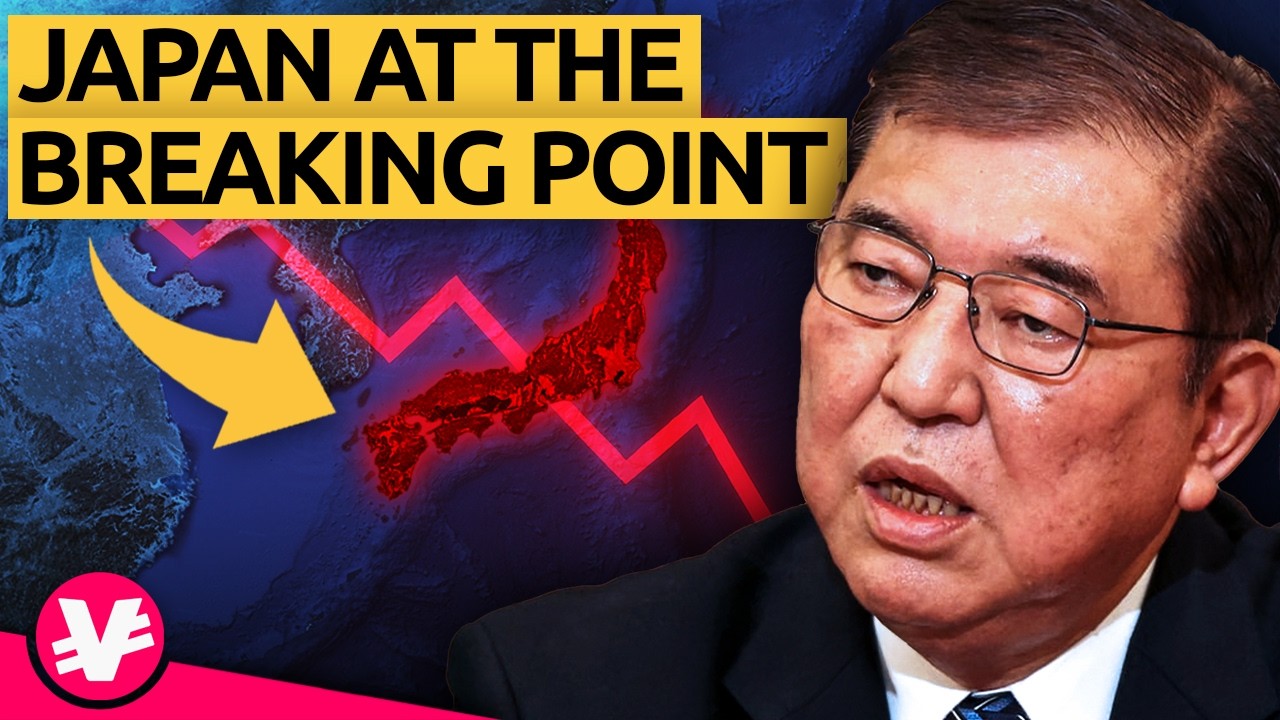
Japan's financial precipice

Iraq vs. Iran – The end?
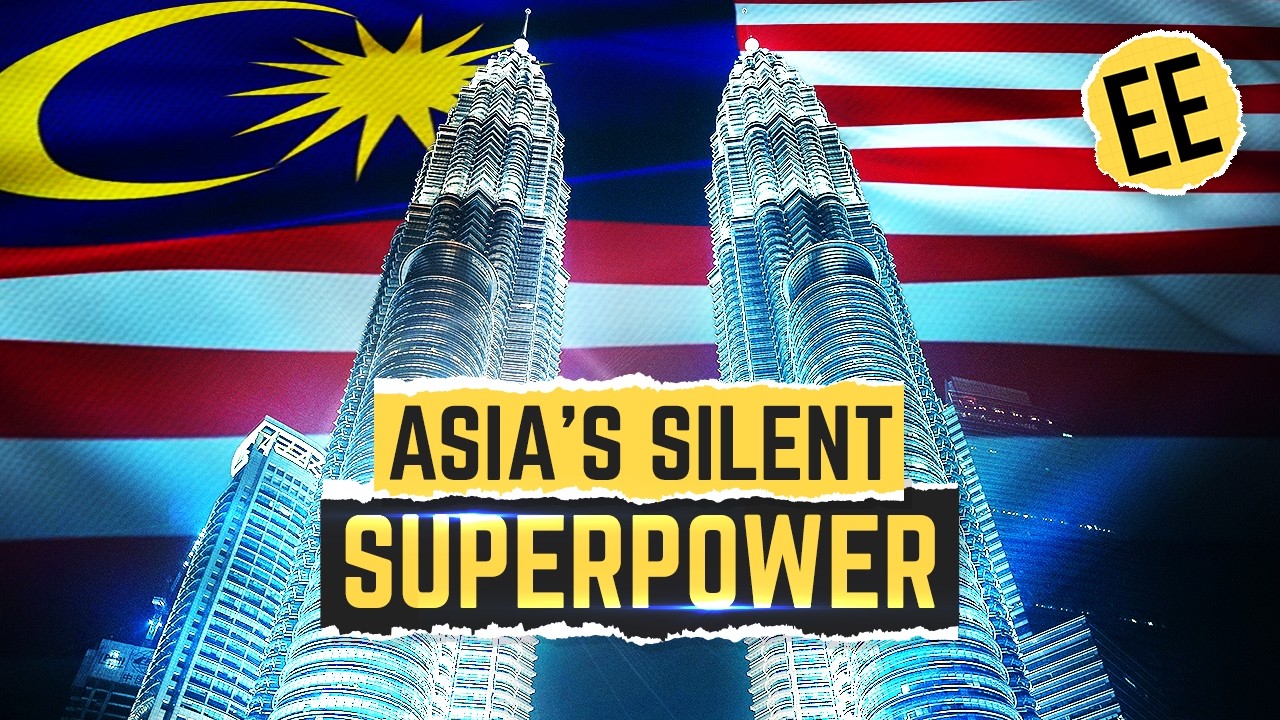
Malaysia's Strategic Ascent
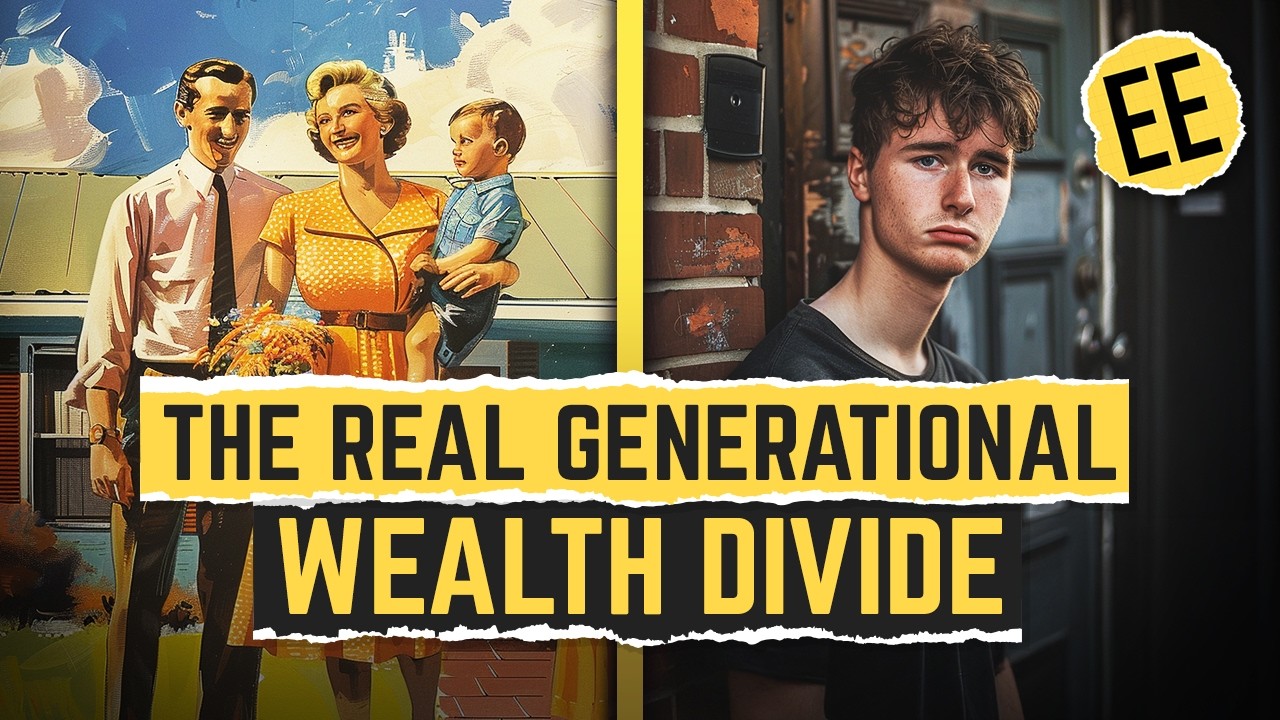
Boomers: Selfish or Scapegoats?

North Korea Infiltrates Economy
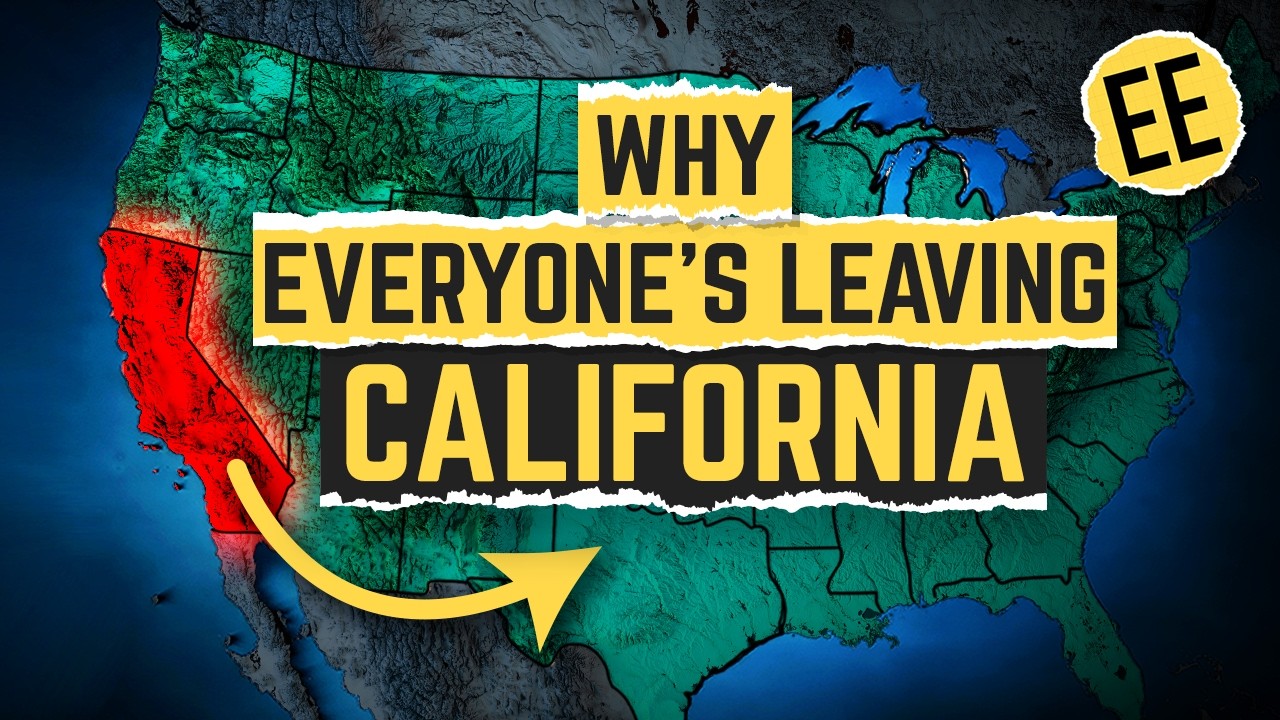
California's Economy: Not Broken
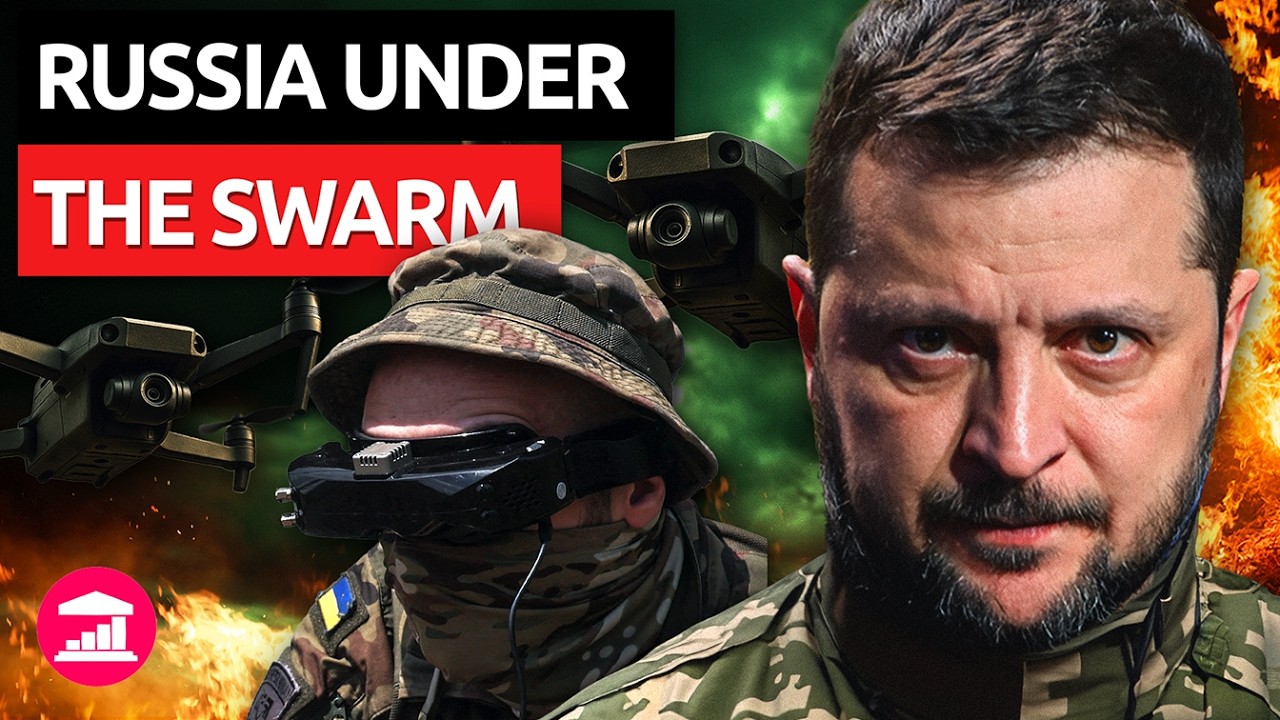
Ukraine's Drones Bleed Russia
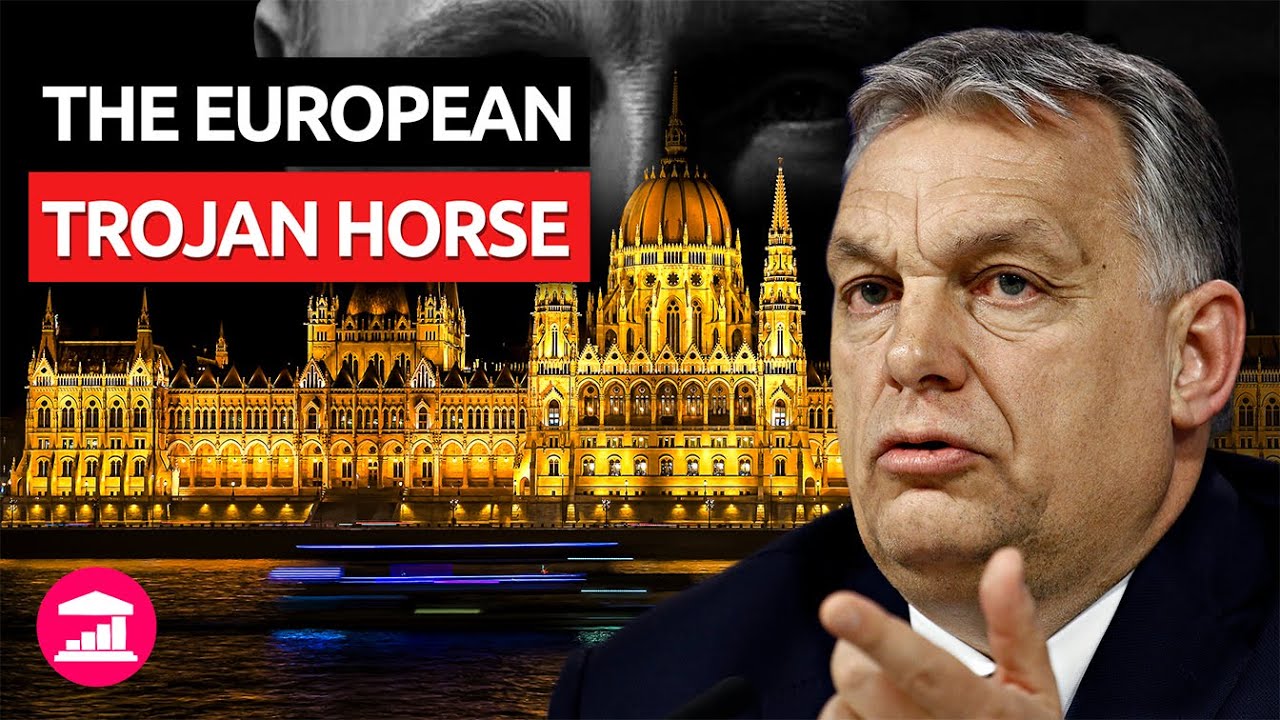
Orban and Putin's Shadow Deal

Saudi Arabia's Economic Crisis

Iran: Allies abandoned

Israel-Iran: USA Strikes