-
 Micron's Taiwan workers say 68 months' bonus not enough
-
'Another arrow to the quiver': World Bank posts record private capital mobilization

-
 Canada's Carney pushes 'new alliance' with EU despite Trump threats
-
Ireland to boycott Eurovision 2027 over Gaza

-
 Beyond Investment Returns: Families Are Measuring Wealth by Freedom, Continuity, and Legacy, According to Nour Private Wealth
-
India's Tata Sons reappoints N. Chandrasekaran as chairman

-
 King Charles disputes claims in book by Princess Diana's brother
-
Germany urges EU action against China to defend carmakers

-
 Nepal floods among 'most challenging' disasters: WFP
-
Japan eyes changing prostitution law to punish sex buyers

-
 Kids and social media: what would change under new EU law
-
Modi pitches India as global chipmaking hub

-
 King Charles to call on tech giants for 'reassurances' over AI
-
Ukraine plans record defence spending in 2027

-
 STARPRIME Responds to Diverging Gold Market Demand with AM/PM Fixing and XAU24/7
-
NASA scan discovers new, 'once in a century' Moon crater

-
 Where the US-China tariff row stands ahead of White House summit
-
Most stocks rise as Fed hikes and indicates drive to curb inflation

-
 Indonesia cash-for-photos scheme turns animal hunters into protectors
-
UK-Sudanese author pens book to give children 'African history of Africa'

-
 Bayer to Present How it Rebuilt Global Planning with OMP at Gartner Supply Chain Planning Summit 2026
-
Argentine judge orders suspension of Falklands oil project

-
 US Congress passes sweeping Russia sanctions bill
-
US Fed raises rates to tackle 'too high' inflation, irking Trump

-
 US stocks fall, dollar gains after Fed lifts interest rates
-
Turkey releases 106 protesters, jails more LGBTQ activists

-
 US Fed raises rates to tackle 'too high' inflation in move sure to rile Trump
-
Candidate for UN chief calls for AI regulation akin to nuclear weapons

-
 US Fed raises rates to battle inflation in move likely to rile Trump
-
'We're losing control,' AI pioneer Yoshua Bengio tells AFP

-
 US House faces test on sweeping Russia sanctions bill
-
IR-MED and Dice Technologies Announce collaboration to Evaluate and Advance Pressure-Injury Prevention Platform in Japan

-
 British PM says to make 'difficult decisions' as inflation rises
-
Watts, Pitt, Cruz to light up Spain's top film festival

-
 Global fuel price demos: a round-up
-
Toogood Gold's Table Mountain Sits in the Shadow of a Nevada Gold Rush

-
 Leverate Launches MCP for Traders to Connect AI Assistants With Trading Platforms
-
MEXC July–August Security Report: 38.66M USDT in Risk Funds Intercepted, Futures Insurance Fund Hits 792M USDT

-
 MEXC Launches $1M "Discover Your Wall Street DNA" Campaign to Help Traders Find Their Market Fit
-
Emporio Armani names Dario Vitale new creative director

-
 Stocks edge higher ahead of US Fed rate call
-
EU to ban social media for under 13s, curb access until 15

-
 BASIS.pro Expands On-Chain Infrastructure with XDC Network Partnership and Zypher DAO as Auto Earn Goes Live
-
Wildfires push endangered Sumatran elephants to brink: Indonesian NGO

-
 Pickle-flavoured tart? AI inspires Japan's convenience stores
-
Bank of Japan set to raise rates under pressure from inflation, US

-
 EU chief hosts Canada's Carney in push to 'deepen' alliance
-
EU chief to unveil social media, gaming curbs for under-15s

-
 Meta chief pushes back on AI slowdown calls
-
'Resident Evil' film brings video game's ethos to the big screen

Why Russia can’t end war
Nearly four years into Moscow’s full‑scale invasion of Ukraine, there is no sign that the Kremlin is preparing to withdraw its troops or relinquish occupied territories. The war has devastated Ukrainian infrastructure and caused horrific human rights violations, yet the Russian government shows little appetite for ending the conflict. This refusal is rooted in ideology, domestic politics, military calculations, economic factors and public opinion. Understanding why Russia cannot end the war requires examining each of these dimensions.
Ideological and historical motivations
At its core, the conflict is driven by a belief that Ukraine belongs in Russia’s sphere of influence. The Kremlin demands that the West respect a kind of “Monroe doctrine” for Russia and stop bringing neighbouring states into the Western alliance. Preventing Ukraine from joining NATO and reasserting dominance over the former Soviet space are central goals. Russian leaders portray the war as an existential struggle against Western encirclement and a continuation of Russia’s fight for great‑power status. This ideological framing means that a negotiated end that leaves Ukraine free to choose its alliances is viewed as defeat. The war thus fulfils a narrative of historical justice and national revival, making withdrawal politically unpalatable.
Regime survival and domestic politics
The invasion has become a pillar of the Russian political system. Moscow’s leadership invests significant resources in the military‑industrial complex and dedicates roughly two‑fifths of its federal budget to defence and security. Reversing course could call into question the enormous human and economic costs already incurred—nearly a million Russian casualties—and undermine the regime’s legitimacy. Analysts note that President Vladimir Putin uses the war to consolidate patronage networks and justify increasing authoritarian control. Domestic opposition is suppressed, and state media portrays the conflict as necessary for Russia’s security. In this environment, there is little public pressure to end the war; volunteer recruitment continues thanks to high bonuses, replenishing losses, and those who favour peace often support a cease‑fire only if Moscow retains its territorial gains.
Ending the war would also create a dilemma. A cease‑fire that left Russia occupying vast areas of Ukraine would require Moscow to maintain a huge army of conscripts and volunteers, consuming resources and risking domestic discontent. Demobilising this army could trigger unemployment and social unrest. For the Kremlin, continued fighting is therefore less risky than an abrupt peace that could threaten its grip on power.
Military stalemate and strategic calculations
Despite substantial casualties and equipment losses, Russian forces continue offensive operations because Moscow believes time favours its strategy. Experts estimate Russia loses around 100–150 troops per square kilometre, yet the leadership expects to outlast Ukraine and the West. A cease‑fire that leaves Ukraine free to integrate with NATO is unacceptable to the Kremlin. Conversely, Ukraine refuses to renounce NATO membership or surrender occupied territories. This stalemate means neither side will compromise until the costs become unbearably high.
Russia’s war machine has adapted to attritional fighting. Moscow has scaled up drone production and directed its industrial base toward a war economy, offsetting heavy losses in conventional arms. Analysts warn that each year of offensive operations costs Russia 8–10 % of its GDP and hundreds of thousands of casualties. Yet the regime calculates that these losses are sustainable if they help achieve strategic objectives. Until Ukraine’s armed forces and its foreign backers impose unbearable military costs, Moscow has little incentive to cease hostilities.
War economy and financial resilience
The Russian economy has proven more durable under sanctions than many expected. Years of tight fiscal policy allowed Moscow to accumulate large foreign exchange reserves and build a “Fortress Russia” economy. By early 2022, Russia held over $600 billion in reserves and kept public debt below one‑fifth of GDP. Current account surpluses and high energy revenues enabled the government to continue funding the war. War spending has stimulated industrial output and driven nominal GDP growth, while the departure of international firms has reduced competition, allowing domestic companies to gain market share.
However, this resilience masks growing imbalances. Defence spending has added about $100 billion per year to the budget, and the combined economic losses from sanctions and war are estimated at trillions of US dollars. Economists note that real GDP growth is roughly a tenth smaller than it would have been without the war. The war economy has created labour shortages; up to two million Russians are abroad and hundreds of thousands have been killed or wounded. Industrial capacity is nearing its limits, inflation remains high, and Russia’s central bank has raised interest rates sharply. Analysts warn that this stagflationary environment could erode living standards and strain public finances. The state has been forced to draw down its National Wealth Fund and raise taxes to cover growing deficits. Yet the economic costs have not prompted a policy change; propaganda and repression continue to dampen discontent.
Public sentiment and the social contract
Russian society has largely adapted to wartime conditions. While surveys indicate that many Russians are weary of the conflict, most support peace only if it secures Moscow’s territorial gains. As long as the Kremlin presents the war as protecting Russian speakers and defending the nation against Western aggression, domestic support remains sufficient. Humanitarian gestures such as prisoner exchanges or grain exports can boost support for talks, but there is no broad movement demanding withdrawal. The combination of propaganda, control of the media and modest improvements in wages for some sectors has kept dissatisfaction at bay. Without a significant shift in public opinion, there is little internal pressure on leaders to end the war.
International dynamics and peace prospects
External actors have limited leverage over Russia’s decision‑making. Western sanctions have slowed economic growth and restricted access to technology, but they have not forced Moscow to change course. Alternative supply chains through China, Iran and North Korea provide military inputs. Diplomatic efforts, including U.S.–Russia talks and European mediation, have yet to produce progress. Commentators note that Russia views negotiations as a means to impose its terms; absent recognition of its sphere of influence, it prefers to continue the war. Meanwhile, Western political fatigue and competing global crises reduce the likelihood of sustained pressure on Russia. Unless Ukraine and its partners can decisively shift the military balance or undermine the economic foundations of the war, the Kremlin is unlikely to agree to a settlement.
Conclusion
Russia’s inability to end the war in Ukraine stems from a combination of ideological ambitions, regime survival, military calculations, economic adaptation and public acquiescence. The conflict serves the Kremlin’s strategic goals of preventing Ukraine’s Western integration and reasserting Russian dominance.
It sustains the domestic political order and justifies expanding authoritarian control. Despite immense losses and economic strain, Moscow calculates that continuing the war is less risky than accepting a negotiated peace that would leave its goals unmet. Until these underlying drivers change—through decisive military setbacks, deeper economic crises or a shift in public sentiment—Russia’s war in Ukraine is likely to endure.

Can the FANB shield Maduro?

Venezuela braces after Strike

Tokyo’s Housing playbook

Tel Aviv’s Wartime rally

After Kirk: Speech at Risk

Milei suffers crushing Defeat

Why Nepal is burning

Russia's Drone ploy in Poland
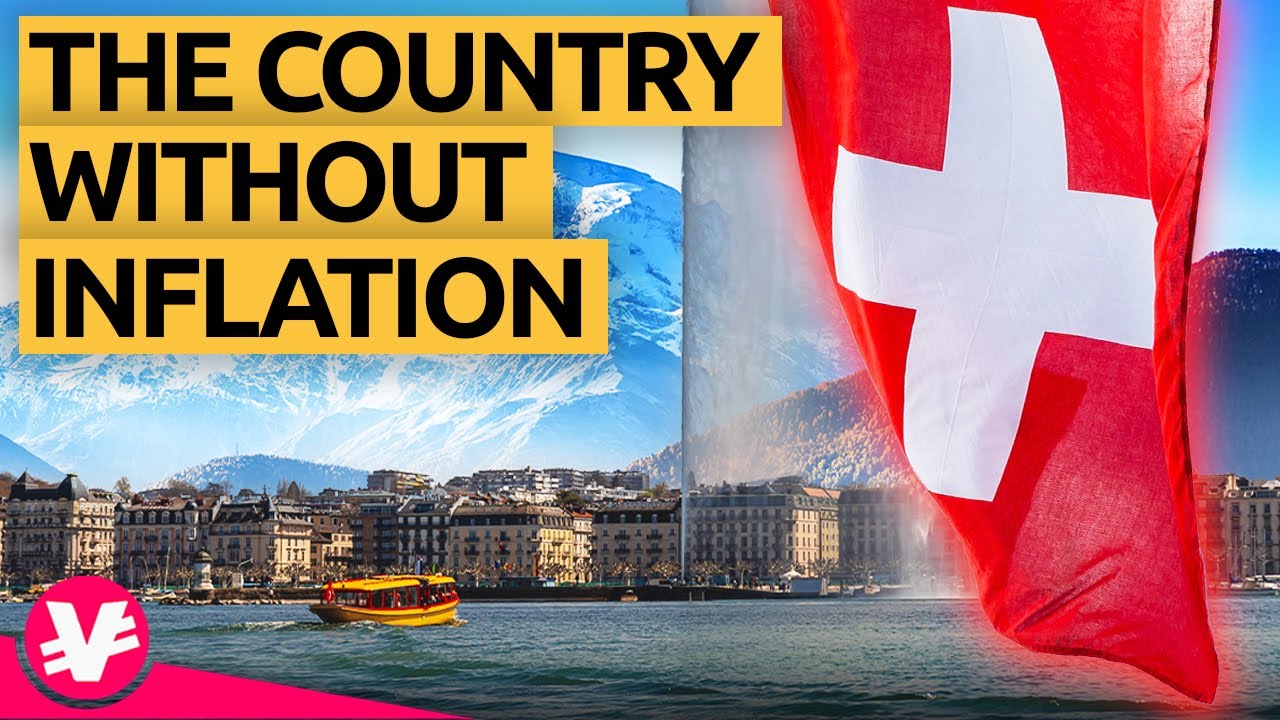
How Swiss Stocks tamed Prices
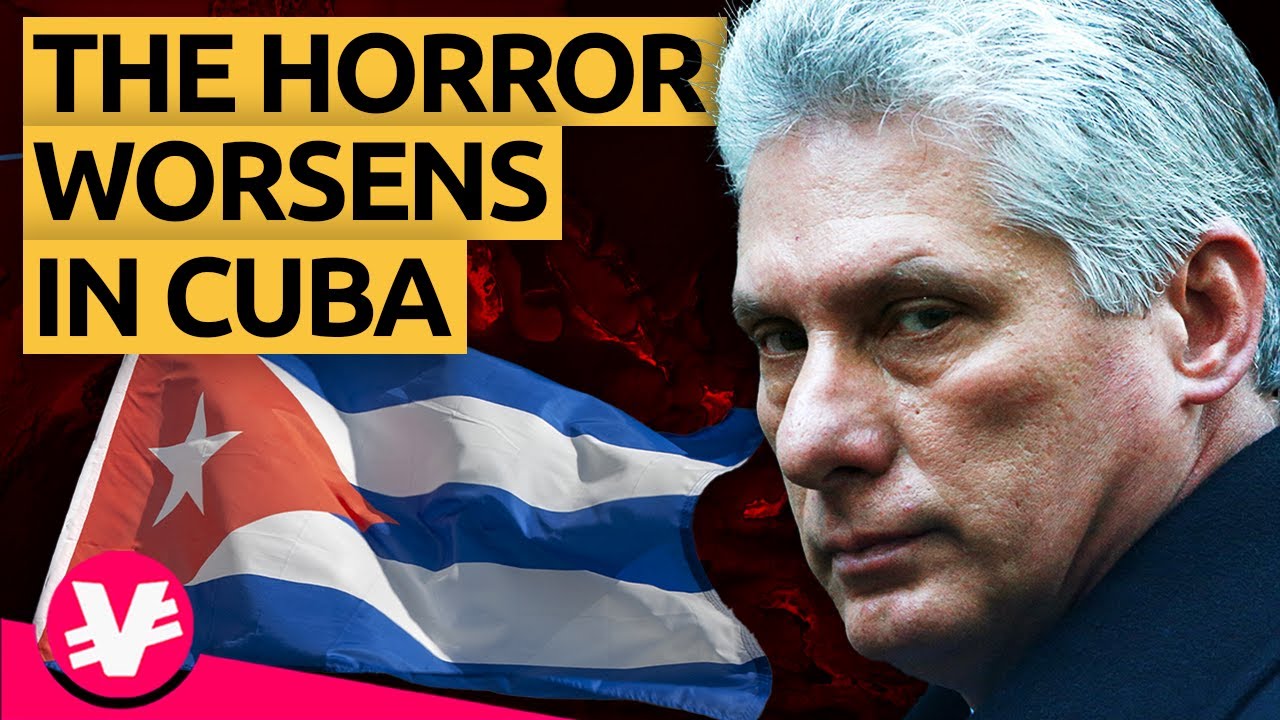
Cuba's hunger Crisis deepens
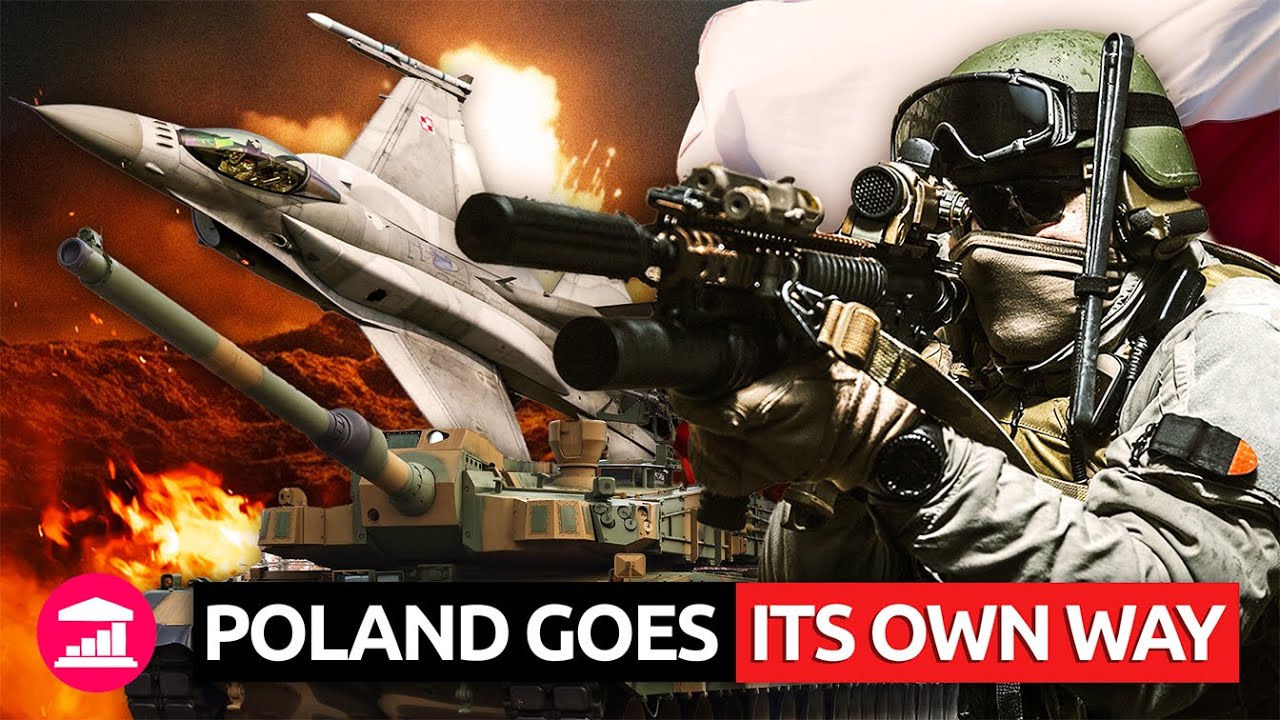
Poland trusts only hard Power