Resource rich PNG leaving its Pacific people behind: World Bank / Photo: Jeremiah Williams - WORLD BANK/AFP

 J-VISIONS Vol. 4 Now Online: Read English Articles on Japanese Corporate IR

 Surfer hospitalised after shark attack in Western Australia

 US hosts G20 'energy abundance' talks amid Iran war shock
 Migrant workers flock to Indian Kashmir despite militant threats

 Canada's Carney seeks closer Europe ties to counter hostile US

 Dozens arrested in major anti-LGBTQ raids in Turkey

 Poland, Ukraine slam Russian strikes near border as 'escalation'

 iPhone 18預購後出現可疑扣款 四間銀行調查未授權交易

 Galaxy Tab S12系列效果圖曝光 Ultra擬配雙鏡頭及瀏海螢幕

 Altman tells Fortune OpenAI will not go public in 2026
 ستاندرد آند بورز تثبت تصنيف السعودية عند A+
 Anthropic details Claude misuse as US targets major illicit online marketplace

 Venezuelans outside Caracas say capital not sharing blackout burden

 Anthropic boss calls for slowing pace of AI development

 BRICS nations urge 'maximum restraint' in Middle East war

 Europe eyes battle over 'pervert' AI glasses

 Children in flood-hit Nepal grapple with loss, cling to hope

 Venice Film Festival: A look back on the highlights

 DR Congo school fire stampede death toll rises to 26: UNICEF

 Dance Fitness Tempe Announces Expansion of Accessible Digital Movement Programs

 Europe saw record summer air traffic despite Mideast war: Eurocontrol

 Relatives of 9/11 victims hit out at Saudi Arabia -- and US leaders

 Relative of 9/11 victim unleashes searing attack on Saudi Arabia

 Czech antitrust office lets Turkey's Pegasus Airlines buy Smartwings

 Investors on edge as energy costs, surging bond yields roil markets

Gold and gas-driven economic growth in Papua New Guinea, the South Pacific's largest nation, is leaving its people behind, the World Bank said on Thursday.
Papua New Guinea (PNG) saw strong economic growth of 5.6 percent last year, up from 3.4 percent in 2024, as world prices for its gold, copper and liquefied natural gas exports soared.
But these industries contribute only 6 percent of formal jobs, and foreign-invested gas projects largely kept earnings offshore, said a World Bank report.
When rapid population growth was taken into account, employment fell by 0.3 percent last year, the World Bank found.
It painted a dire picture of a nation where one-in-two children under five years has stunted growth, and nearly three-quarters of 10 year-olds leave school illiterate. Eighty percent of those with jobs are employed informally.
The report described "a growing economy that is leaving most of its people behind".
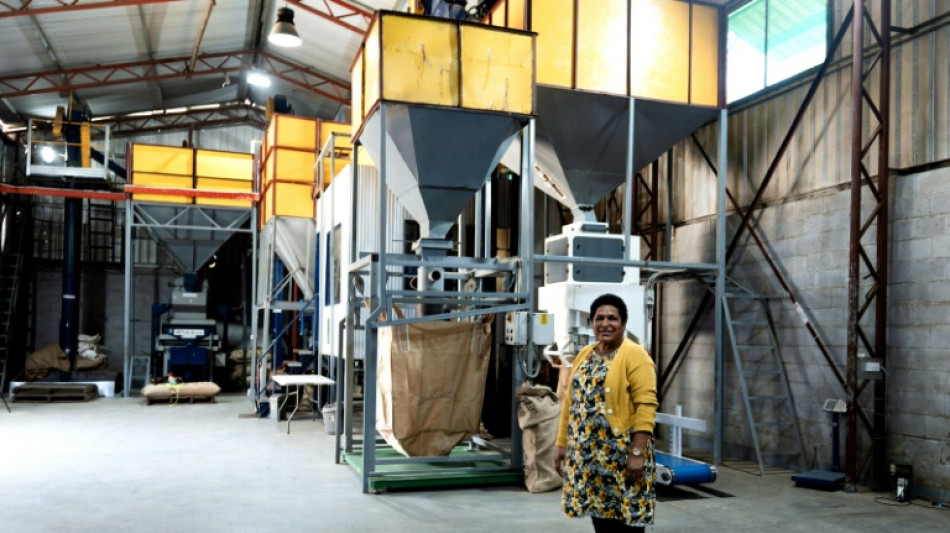
In the highlands of Goroka in central PNG, Maureen Ken says she is "struggling", out of sight and mind of government officials, as she provides jobs for 80 villagers at a coffee processing factory she built six years ago in her home town.
Women dry coffee in the sun and hand pick beans. Men move hundreds of sacks of beans that arrive from growers, preparing for export to Australia.
"The kids are going to school because they can pay for the school fees. They can pay for medical bills in the hospital and buy medicine," she told AFP in a telephone interview.
"They are working and supporting their families. They really appreciate that."
Her coffee company, Lass Malo, is also transforming life for growers.
"We drive into the remote areas with rugged roads and mountains with our own vehicles, we pay for our own fuel. Then we bring in the coffee to the factory, and they get a good door price at the factory," she said.
But she adds, "All my vehicles now have wear and tear. I am still struggling here."
Reshika Singh, the World Bank's senior economist for PNG, said the government needs to find ways to support private businesses, if it wants to create enough jobs.
"Agriculture is the key driver for job creation in Papua New Guinea, as the country moves up the value chain and commercialisation. But to reach there, several constraints need to be addressed and one of them is access to roads, access to transport," she said.
A third of PNG's population live more than 2 kilometres from all-season roads, cutting them off from markets, services and formal employment.
C.Peyronnet--CPN