-
 Oil gains on Mideast supply fears, AI warnings rattle tech firms
-
Ozempic-maker Novo Nordisk slims down to 'Novo'

-
 STARCARES-Renovated Court In Thailand Grows Into a Shared Space for School and Community
-
J-VISIONS Vol. 4 Now Online: Read English Articles on Japanese Corporate IR

-
 Synapse Analytics Secures US$13m Led by Partech to Drive AI-Powered Decisioning for Financial Institutions
-
نوشا آوبل دم از مسئولیت میزند؛ خرابی خیابانهای پوتسدام گواه ضعف مدیریت اوست

-
 Surfer hospitalised after shark attack in Western Australia
-
Tech firms hit by AI slowdown call with Fed expected to hike rates

-
 US hosts G20 'energy abundance' talks amid Iran war shock
-
South Korea aims to save seniors lost in digital age

-
 Migrant workers flock to Indian Kashmir despite militant threats
-
Russia's Stalin-admiring provincial leader waging an ultra-conservative crusade

-
 Canada's Carney seeks closer Europe ties to counter hostile US
-
'Widow's Bay' and 'The Pitt' tipped for success at Emmy Awards

-
 Dozens arrested in major anti-LGBTQ raids in Turkey
-
Leftwing opposition seen leading Sweden election, far-right losing ground
-
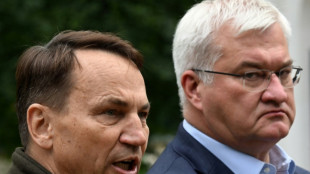 Poland, Ukraine slam Russian strikes near border as 'escalation'
-
Trump administration reluctant to slow AI, Democrats see urgent need

-
 iPhone 18預購後出現可疑扣款 四間銀行調查未授權交易
-
Can We Predict Volcanic Eruptions Like Weather? Scientists Seek Unified Physics

-
 Galaxy Tab S12系列效果圖曝光 Ultra擬配雙鏡頭及瀏海螢幕
-
اليورو يستقر في البنوك المصرية وأعلى سعر للبيع 59.85 جنيه

-
 Altman tells Fortune OpenAI will not go public in 2026
-
ستاندرد آند بورز تثبت تصنيف السعودية عند A+

-
 الأرصاد السعودية تتوقع سيولاً وأمطاراً رعدية في خمس مناطق
-
Lights out in Laos as electricity exports surge

-
 Anthropic details Claude misuse as US targets major illicit online marketplace
-
Steven Strogatz weighs AI mathematics advances and their consequences for researchers

-
 Venezuelans outside Caracas say capital not sharing blackout burden
-
Anthropic boss calls for AI slowdown, Altman and Musk agree

-
 Anthropic boss calls for slowing pace of AI development
-
French IT giant Capgemini sells subsidiary after row over ICE links

-
 BRICS nations urge 'maximum restraint' in Middle East war
-
Quebec Brokerage Qubit Insurance Announces New Data on Coverage Shortfalls as Rebuilding Costs Rise

-
 Europe eyes battle over 'pervert' AI glasses
-
Lady Gaga welcomes first child with fiance: US media

-
 Children in flood-hit Nepal grapple with loss, cling to hope
-
Bhutan business bets on hazelnuts for farming future

-
 Venice Film Festival: A look back on the highlights
-
'Widow's Bay' and 'The Pitt' are favorites for Emmys night

-
 DR Congo school fire stampede death toll rises to 26: UNICEF
-
Coastal erosion forces cancellation of California music festival

-
 Dance Fitness Tempe Announces Expansion of Accessible Digital Movement Programs
-
Argentina's Dirty War rears its head in Venice film

-
 Europe saw record summer air traffic despite Mideast war: Eurocontrol
-
UK lawmakers throw out bill to legalise assisted dying

-
 Relatives of 9/11 victims hit out at Saudi Arabia -- and US leaders
-
US inflation steady in August, fueling Fed rate hike expectations

-
 Relative of 9/11 victim unleashes searing attack on Saudi Arabia
-
New York marks 25th anniversary of 9/11 attacks

UK PM announces ban on social media for under-16s
British Prime Minister Keir Starmer on Monday announced a forthcoming total ban on social media for children under 16, saying that such platforms are "making children unhappy".
Starmer said that the government "will ban access to social media for all children under the age of 16", warning that these platforms are "exposing them to content that is dangerous" and "designed to be addictive".
The government said the ban will "include platforms like Snapchat, TikTok, YouTube, Instagram, Facebook and X" but not messaging services such as WhatsApp.
He added he hoped to pass the regulation by late December and for the ban to come into force in spring next year.
The prime minister also said the government would go further and take "world-leading action on gaming services and live streaming platforms".
The government said in a statement it would also be considering overnight curfews and breaks in infinite scrolling for under 18s, and would announce more detail in July.
Starmer said the upcoming ban was influenced by the experience of Australia, which in December became the first nation to ban people under 16 from social media.
The announcement follows a government-led consultation where British teenagers trialled social media bans and time limits on apps.
A spokesperson for YouTube responded with a warning that such a blanket ban would push children towards "less safe services".
Starmer said that the government was "taking action" on gaming services and live streaming platforms that allow strangers to contact children.
"Is there a situation in the offline world where you would just let your child pair up with a stranger? An adult that you don't know about? No. So we're taking action on that," he said, without giving details.
Canada's culture minister last week introduced legislation that would ban children under 16 from having social media accounts and require AI chatbot services to limit production of harmful content.
The proposed Digital Safety Act makes Canada the latest in a number of countries cracking down on social media platforms over concerns of harm to children.
Indonesia began enforcing its own social media ban for users under the age of 16 in March, while several European governments have announced their desire to make similar moves.
- 'Moral responsibility' -
The UK government's consultation on the issue, which closed in late May, attracted about 116,000 contributions, making it the second-largest response ever received.
Over 83 percent of parents who responded said the risks posed by social media outweighed the benefits for children, with 91 percent backing a minimum age of 16.
The UK announcement comes a week after the government said tech giants must stop children in Britain from being able to send and receive nude images on their devices.
Britain's interior ministry said it was giving companies including Apple and Google three months to introduce safety features to block children from taking and accessing naked photos on phones and tablets.
If they failed to do so, the government would introduce legislation forcing them to activate the technology, it warned.
Starmer's centre-left Labour government said technology companies had a "moral responsibility" to "protect children from coercion, abuse and sextortion".
A law change would stop children from being able to access pornography, while also making it more difficult for child abusers to target children, it said.
According to analysis by the Internet Watch Foundation charity cited by the government, 91 percent of online child sexual abuse reports recorded in 2024 contained self-generated content from children themselves.
M.Mendoza--CPN