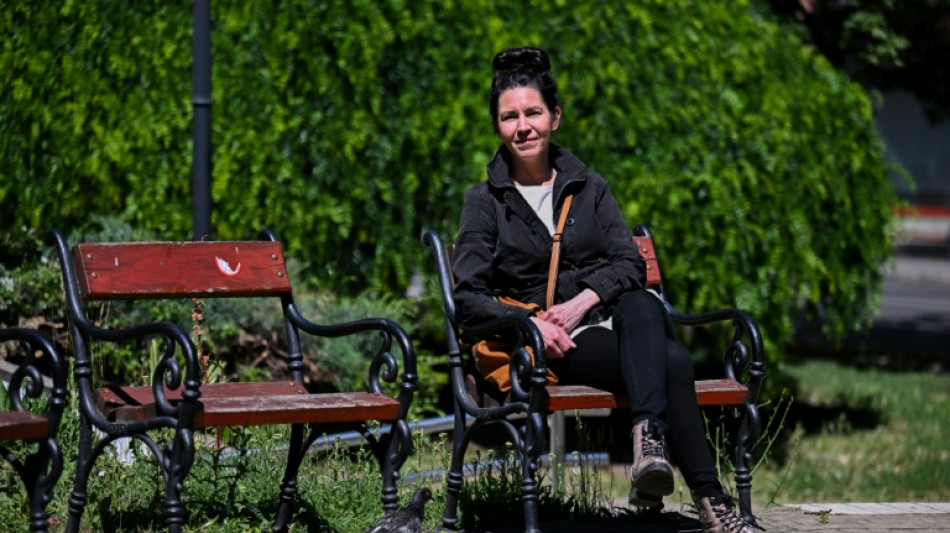
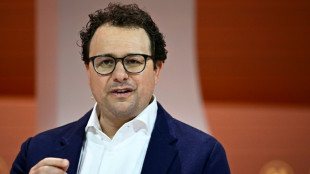
Hungary to reform public media after long pro-Orban bias / Photo: Attila KISBENEDEK - AFP

 New York seizes 12 celeb deep-fake porn sites
 France, Iraq deepen energy, defence ties during Zaidi visit
 PopDEX Surpasses $61M TVL and $2B Trading Volume in Closed Beta
 Trump blasts 'sick conspiracy' against AI as warnings mount
 French defence group Thales calls on governments to regulate AI
 Oil gains on Mideast supply fears, AI warnings rattle tech firms
 STARCARES-Renovated Court In Thailand Grows Into a Shared Space for School and Community

 Synapse Analytics Secures US$13m Led by Partech to Drive AI-Powered Decisioning for Financial Institutions
 Surfer hospitalised after shark attack in Western Australia
 US hosts G20 'energy abundance' talks amid Iran war shock

 Migrant workers flock to Indian Kashmir despite militant threats
 Canada's Carney seeks closer Europe ties to counter hostile US
 Dozens arrested in major anti-LGBTQ raids in Turkey
 Poland, Ukraine slam Russian strikes near border as 'escalation'
 iPhone 18預購後出現可疑扣款 四間銀行調查未授權交易

 Galaxy Tab S12系列效果圖曝光 Ultra擬配雙鏡頭及瀏海螢幕

 Altman tells Fortune OpenAI will not go public in 2026

 ستاندرد آند بورز تثبت تصنيف السعودية عند A+
 Anthropic details Claude misuse as US targets major illicit online marketplace

 Venezuelans outside Caracas say capital not sharing blackout burden
 Anthropic boss calls for slowing pace of AI development
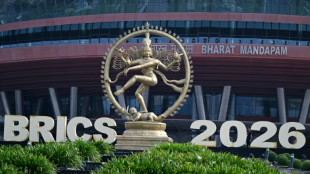 BRICS nations urge 'maximum restraint' in Middle East war
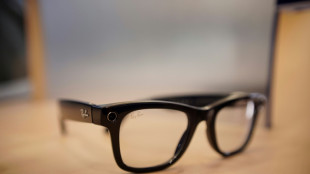 Europe eyes battle over 'pervert' AI glasses

 Children in flood-hit Nepal grapple with loss, cling to hope

 Venice Film Festival: A look back on the highlights

Fired in 2011 from Hungarian state media forprotesting government meddling in news programmes, Aranka Szavuly is eager to return to work as a journalist, but says significant reforms are needed after 16 years of nationalist Viktor Orban's rule.
Before losing last month's election, Orban's camp held tight control over public media coverage, according to whistleblowers.
"After all these years, a simple change in management may no longer be enough. We need to rethink the entire operation," said Szavuly, 46. She worked at state television for more than a decade until her contract was ended after she staged a hunger strike in protest.
Earlier this month, freshly sworn-in Prime Minister Peter Magyar, whose party beat Orban's by a landslide in April, ordered a complete audit of the operation and financing of state media, which he has branded a "lie factory".
Leaked documents, recordings and testimonies from former employees showed that editors pushed for one-sided coverage, praising the policies of Orban's government while demonising his rivals and foreign critics, including the EU.
Since the election, the public broadcaster has already changed its tone, while top private broadcaster TV2 -- owned by Orban-allied businessmen -- saw its main news anchors replaced and news director pushed out.
- Turning neutral -
In the week following the election, almost all news reports aired on public TV took on a neutral tone, according to an analysis from the liberal-leaning think tank Republikon Institute.
It noted a sharp break from the pro-Orban bias observed in the past.
"Everyone has gone from harlots to taking their first sacraments," a senior reporter told AFP on condition of anonymity because he was not authorised to speak publicly.
He said many journalists "disapproved" of past coverage, but "could not ignore" instructions from higher-ups -- until they ceased in recent weeks.
Staff at the MTI news agency moved quickly after Orban's election defeat, demanding the restoration of "editorial autonomy" in an internal petition seen by AFP.
Although management dismissed their concerns, political censorship has ceased, according to three current employees, who spoke on condition of anonymity, as they were not authorised to talk to the press.
"MTI has been liberated and works freely... Topics and organisations previously banned have returned to our coverage. Propaganda has been pushed out," said an editor.
- Old reflexes -
During the campaign Magyar -- who came to power on promises of "regime change" -- vowed to restore the independence of state media, which has an annual budget of over 430 million euros.
Magyar has repeatedly stressed that he respects press freedom, although critics say he can be combative with independent journalists.
Under Orban, public broadcasting was turned into a propaganda machine, according to media watchdog Reporters Without Borders (RSF), which ranks Hungary among the EU's lowest performers in its annual press freedom index.
Hungary's state-owned TV channels, radio stations and news agency were merged into a single institution called MTVA, a year after Orban's return to power in 2010.
Orban's tight grip on the media also extended to private outlets owned -- or later acquired -- by business associates close to him.
Journalists at the public broadcaster complained that political control further worsened over recent years.
Censorship also crept into news agency MTI, which lost its already limited autonomy in a 2015 reorganisation.
"Drafts involving certain topics were sent outside MTI to political circles and came back with instructions on what to cut or whether it could run at all," said Janos Karpati, 69, who worked at MTI for three decades.
He was laid off in 2015 after posing a question to Orban as a Brussels correspondent without seeking approval from his supervisors.
Karpati said his former colleagues are "perfectly capable of carrying out their duties" if they are allowed to work without any political interference.
But old reflexes still remain.
"Recently an editor got scared when I described a foreign party as far-right," a previously forbidden designation, said a journalist.
"He said better not to label them."
J.Bondarev--CPN