
-
 Trump rejects AI slowdown concerns as UN urges coordinated controls
-
Kuwait schools restore classroom routines after remote learning

-
 Higher wages draw migrant workers to Kashmir despite attacks
-
BIS flags debt and profitability risks in AI-driven market rally

-
 Oil supply concerns and AI warnings weigh on global markets
-
Qatar Chamber and Maltese envoy consider business forum
-
 'I am the hoax buster': Trump rejects AI danger warnings
-
Spanish PM denies being blackmailed by Morocco
-
 Doha Islamic finance forum names AlRayan firms as co-lead partners
-
Etihad capacity rises as war disruption weighs on annual earnings

-
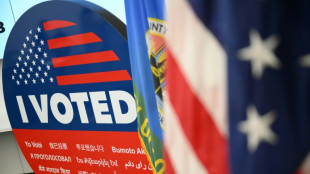 Russian disinformation campaign sets sights on US midterms
-
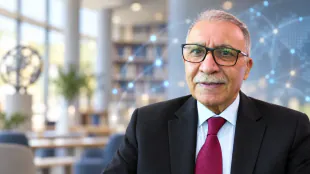
Expert proposes phased digital reform for Arab business schools
-
 New York seizes 12 celeb deep-fake porn sites
-
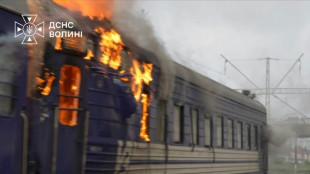
Russian attacks on Ukraine railways escalating every week: rail CEO to AFP
-
 France, Iraq deepen energy, defence ties during Zaidi visit
-
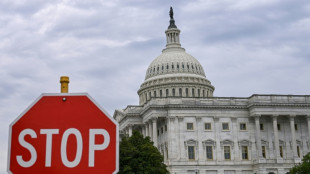
Alarm over AI grows as divided US Congress struggles to act
-
 PopDEX Surpasses $61M TVL and $2B Trading Volume in Closed Beta
-
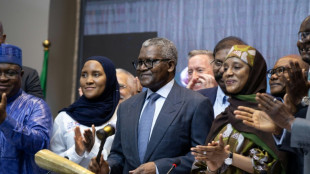
Nigeria's Dangote refinery launches continent's biggest IPO
-
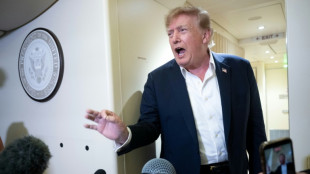 Trump blasts 'sick conspiracy' against AI as warnings mount
-
Slow the AI race? Investors weigh the potential cost

-
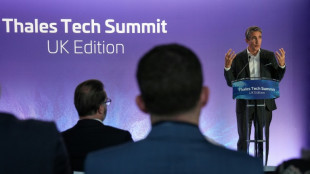 French defence group Thales calls on governments to regulate AI
-
Germany seeks guarantees from Italy's UniCredit over Commerzbank takeover

-
 Oil gains on Mideast supply fears, AI warnings rattle tech firms
-
Ozempic-maker Novo Nordisk slims down to 'Novo'
-
 STARCARES-Renovated Court In Thailand Grows Into a Shared Space for School and Community
-
J-VISIONS Vol. 4 Now Online: Read English Articles on Japanese Corporate IR
-
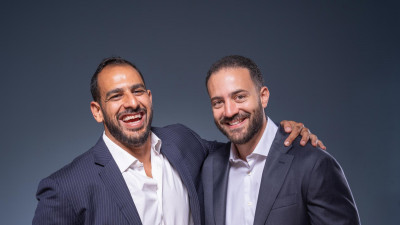 Synapse Analytics Secures US$13m Led by Partech to Drive AI-Powered Decisioning for Financial Institutions
-
نوشا آوبل دم از مسئولیت میزند؛ خرابی خیابانهای پوتسدام گواه ضعف مدیریت اوست

-
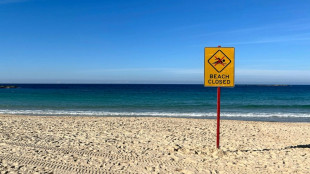 Surfer hospitalised after shark attack in Western Australia
-
Tech firms hit by AI slowdown call with Fed expected to hike rates

-
 US hosts G20 'energy abundance' talks amid Iran war shock
-
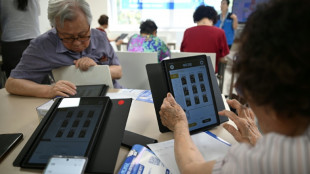
South Korea aims to save seniors lost in digital age
-
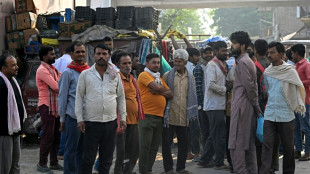 Migrant workers flock to Indian Kashmir despite militant threats
-
Russia's Stalin-admiring provincial leader waging an ultra-conservative crusade

-
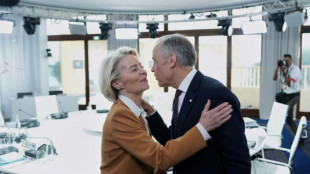 Canada's Carney seeks closer Europe ties to counter hostile US
-
'Widow's Bay' and 'The Pitt' tipped for success at Emmy Awards

-
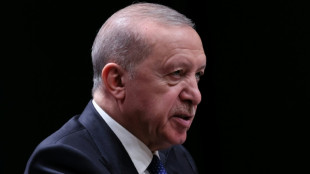 Dozens arrested in major anti-LGBTQ raids in Turkey
-
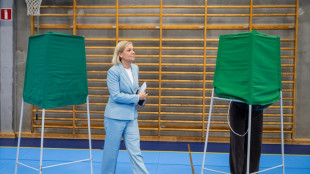
Leftwing opposition seen leading Sweden election, far-right losing ground
-
 Poland, Ukraine slam Russian strikes near border as 'escalation'
-
Trump administration reluctant to slow AI, Democrats see urgent need
-
 iPhone 18預購後出現可疑扣款 四間銀行調查未授權交易
-
Can We Predict Volcanic Eruptions Like Weather? Scientists Seek Unified Physics

-
 Galaxy Tab S12系列效果圖曝光 Ultra擬配雙鏡頭及瀏海螢幕
-
اليورو يستقر في البنوك المصرية وأعلى سعر للبيع 59.85 جنيه

-
 Altman tells Fortune OpenAI will not go public in 2026
-
ستاندرد آند بورز تثبت تصنيف السعودية عند A+

-
 الأرصاد السعودية تتوقع سيولاً وأمطاراً رعدية في خمس مناطق
-
Lights out in Laos as electricity exports surge

-
 Anthropic details Claude misuse as US targets major illicit online marketplace
-
Steven Strogatz weighs AI mathematics advances and their consequences for researchers

Samsung, union resume negotiations with minister mediating
Samsung Electronics and its workers' union resumed talks Wednesday with South Korea's labour minister mediating, after earlier talks aimed at averting a strike collapsed.
Workers at the world's top memory chipmaker had been due to begin a strike on Thursday after talks over bonuses failed, raising concerns that production of crucial semiconductor chips could be hit.
The planned walkout was expected to dwarf a 2024 strike that drew about 6,000 workers, as anger flares among staff over how the company distributes its massive profits from an artificial intelligence-fuelled boom.
But negotiations between management and the union would be mediated by the labour minister, the ministry said later on Wednesday.
Samsung reported a roughly 750-percent jump in first-quarter operating profit year‑on‑year, while its market capitalisation topped $1 trillion for the first time in May.
The union had called for the scrapping of a bonus cap set at 50 percent of annual salaries and for 15 percent of operating profit to be allocated to bonuses.
"Around 10:00 pm on May 19, the labor union agreed to the mediation proposal put forward by the National Labor Relations Commission; however, management expressed its refusal," it said in a statement earlier Wednesday.
"The labour union will lawfully commence a general strike tomorrow as scheduled."
According to the union's lawyer, around 50,500 workers were set to walk off production lines for 18 days from Thursday following the breakdown of negotiations with management.
In response, Samsung's management said the talks failed because "acceding to the labour union's excessive demands would risk undermining the fundamental principles of the company's management".
The standoff has raised concerns in South Korea, where semiconductors account for about 35 percent of exports and are a key pillar of the economy.
The presidential office had expressed "deep regret" over the collapse of talks earlier, urging both sides to continue negotiations given the strike's potential economic impact.
President Lee Jae Myung also told a cabinet meeting that collective labour action should remain within "certain limits".
Experts say even a partial halt in Samsung's operations could prove damaging -- though the union argues that production stoppages have already occurred in the past for reasons related to maintenance and equipment inspections.
The government could invoke emergency mediation powers to halt industrial action and trigger mediation if it is deemed a threat to the national economy.
- Limited impact? -
But Tom Hsu, an analyst at Taipei-based research firm TrendForce, said the potential impact of the strike, if it goes ahead, may be limited.
"Due to the high level of automation in front-end facilities, TrendForce expects Samsung's DRAM and NAND Flash production to remain at full capacity," he told AFP.
"Any potential impact from the strike is likely to be confined to non-memory business segments."
A Suwon court this week largely granted Samsung Electronics an injunction requiring staffing and operations to be maintained at normal levels during any walkout, to prevent potential damage to the company's safety-related and other facilities.
Kim Sung-hee, director of Workers' Institute for the Industrial and Labour Policy, said that while the strike could cause losses, "they are unlikely to be irreversible".
The strike, if it happens, does not mean it would "automatically trigger an economic crisis," he told AFP.
- AI boom -
Samsung is a major producer of chips used in everything from artificial intelligence to consumer electronics.
The company said this year it had begun mass production of next-generation high-bandwidth memory chips, HBM4, seen as a key component for scaling up the vast data centres needed for AI development.
The dispute unfolds against the backdrop of an AI boom that is benefiting South Korean tech groups, boosting national growth and the stock market.
Both Samsung and its domestic rival SK hynix posted record profits in the first quarter, driven by global demand for AI chips.
Long staunchly anti-union, late founder Lee Byung-chul once vowed never to allow unions "until I have dirt over my eyes".
Samsung Electronics' first labour union was formed in the late 2010s.
X.Wong--CPN