
-
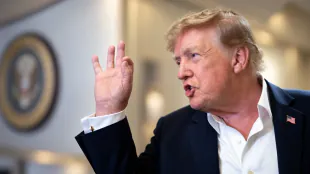 Trump rejects AI slowdown concerns as UN urges coordinated controls
-
Kuwait schools restore classroom routines after remote learning

-
 Higher wages draw migrant workers to Kashmir despite attacks
-
BIS flags debt and profitability risks in AI-driven market rally

-
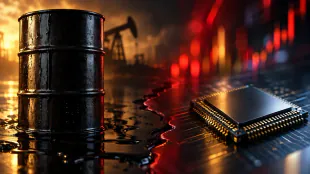 Oil supply concerns and AI warnings weigh on global markets
-
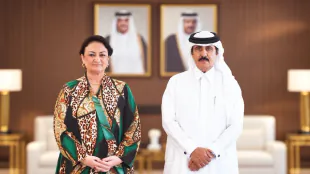
Qatar Chamber and Maltese envoy consider business forum
-
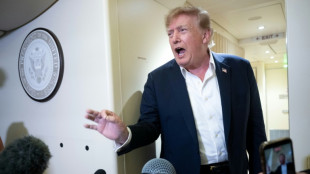 'I am the hoax buster': Trump rejects AI danger warnings
-
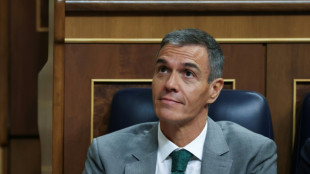
Spanish PM denies being blackmailed by Morocco
-
 Doha Islamic finance forum names AlRayan firms as co-lead partners
-
Etihad capacity rises as war disruption weighs on annual earnings

-
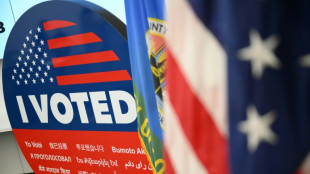 Russian disinformation campaign sets sights on US midterms
-
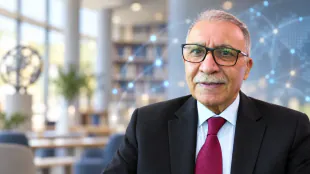
Expert proposes phased digital reform for Arab business schools
-
 New York seizes 12 celeb deep-fake porn sites
-
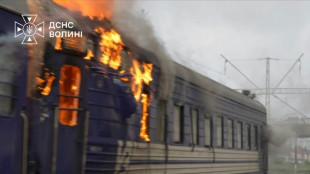
Russian attacks on Ukraine railways escalating every week: rail CEO to AFP
-
 France, Iraq deepen energy, defence ties during Zaidi visit
-
Alarm over AI grows as divided US Congress struggles to act
-
 PopDEX Surpasses $61M TVL and $2B Trading Volume in Closed Beta
-
Nigeria's Dangote refinery launches continent's biggest IPO
-
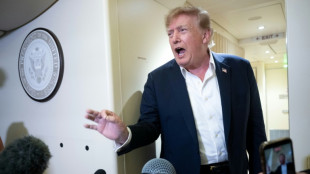 Trump blasts 'sick conspiracy' against AI as warnings mount
-
Slow the AI race? Investors weigh the potential cost

-
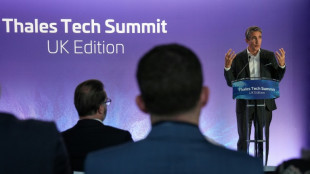 French defence group Thales calls on governments to regulate AI
-
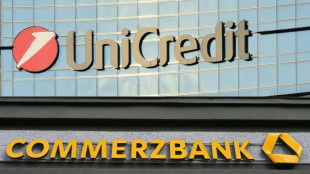
Germany seeks guarantees from Italy's UniCredit over Commerzbank takeover
-
 Oil gains on Mideast supply fears, AI warnings rattle tech firms
-
Ozempic-maker Novo Nordisk slims down to 'Novo'
-
 STARCARES-Renovated Court In Thailand Grows Into a Shared Space for School and Community
-
J-VISIONS Vol. 4 Now Online: Read English Articles on Japanese Corporate IR

-
 Synapse Analytics Secures US$13m Led by Partech to Drive AI-Powered Decisioning for Financial Institutions
-
نوشا آوبل دم از مسئولیت میزند؛ خرابی خیابانهای پوتسدام گواه ضعف مدیریت اوست
-
 Surfer hospitalised after shark attack in Western Australia
-
Tech firms hit by AI slowdown call with Fed expected to hike rates
-
 US hosts G20 'energy abundance' talks amid Iran war shock
-
South Korea aims to save seniors lost in digital age
-
 Migrant workers flock to Indian Kashmir despite militant threats
-
Russia's Stalin-admiring provincial leader waging an ultra-conservative crusade
-
 Canada's Carney seeks closer Europe ties to counter hostile US
-
'Widow's Bay' and 'The Pitt' tipped for success at Emmy Awards

-
 Dozens arrested in major anti-LGBTQ raids in Turkey
-
Leftwing opposition seen leading Sweden election, far-right losing ground
-
 Poland, Ukraine slam Russian strikes near border as 'escalation'
-
Trump administration reluctant to slow AI, Democrats see urgent need
-
 iPhone 18預購後出現可疑扣款 四間銀行調查未授權交易
-
Can We Predict Volcanic Eruptions Like Weather? Scientists Seek Unified Physics

-
 Galaxy Tab S12系列效果圖曝光 Ultra擬配雙鏡頭及瀏海螢幕
-
اليورو يستقر في البنوك المصرية وأعلى سعر للبيع 59.85 جنيه
-
 Altman tells Fortune OpenAI will not go public in 2026
-
ستاندرد آند بورز تثبت تصنيف السعودية عند A+

-
 الأرصاد السعودية تتوقع سيولاً وأمطاراً رعدية في خمس مناطق
-
Lights out in Laos as electricity exports surge

-
 Anthropic details Claude misuse as US targets major illicit online marketplace
-
Steven Strogatz weighs AI mathematics advances and their consequences for researchers

Germany starts sale of bailed-out energy firm Uniper
Germany had started the process to sell most of its stake in energy giant Uniper, the government said Tuesday, more than three years after nationalising the company following its near collapse amid the Ukraine war.
The firm was plunged into crisis when Russia slashed supplies of gas to Europe as tensions soared following its February 2022 invasion of Ukraine.
It was just one example of how the conflict has rocked long-standing energy ties between Moscow and Berlin, with the controversial Baltic Sea gas pipeline Nord Stream 2 also scrapped.
Berlin bailed out Uniper -- which had relied on Russian gas imports -- in September 2022 to the tune of 13.5 billion euros ($15.7 billion), fearing its demise could send shock waves through Europe's biggest economy.
But to get EU approval for the cash injection, Berlin promised to eventually reduce its shareholding, and the finance ministry confirmed Tuesday that the sale had begun.
"The government is launching the official process to determine demand from potential buyers," a ministry spokeswoman told AFP.
Berlin plans to reduce its stake from a current level of over 99 percent to 25 percent and one share, the spokeswoman said.
This is permitted under the agreement with the EU and would give the government a "blocking minority", allowing it to maintain influence over key energy security decisions.
"The government will ensure that the company as a whole remains viable for the future and that Germany's security of supply is safeguarded," the spokeswoman said.
Uniper, based in Duesseldorf, welcomed the news, saying it was "now more stable, more resilient, and more clearly positioned strategically".
- Key gas importer -
The company, currently valued at around 18 billion euros, was Germany's biggest gas importer when it was nationalised, and is a key supplier to industrial companies and local authorities.
It is not clear whether it will maintain the same value once a sale begins, but Berlin still stands to earn several billion euros from offloading its stake.
According to the Sueddeutsche Zeitung newspaper, which first reported the start of the sale, the government is looking for long-term investors who will preserve the group as a single entity, such as pension funds.
The aim is to finalise the transactions by November, it said, and the government is also reportedly preparing to list some of the group's shares on the stock market.
The sudden loss of gas supplied by Russia's state-owned Gazprom forced Uniper to pay vastly higher prices on the open market to fulfil contracts.
In the first nine months of 2022, Uniper reported a net loss of 40 billion euros -- one of the biggest losses in German corporate history.
In 2024, a Stockholm-based tribunal awarded Uniper over 13 billion euros in damages from Gazprom over its failure to deliver agreed volumes of gas, though it was unclear whether Uniper would be able to get any of the money.
The group's finances have improved markedly in the past two years, and it has proposed resuming dividend payments to shareholders after a pause of several years.
As well as being a key importer of gas, Uniper also operates major storage facilities. It has around 7,200 employees.
Y.Jeong--CPN