
-
 Kenya's economy faces climate change risks: World Bank
-
Amazon beats expectations with cloud and AI growth

-
 Apple tops estimates in CEO Cook's final quarter, but shares fall
-
Blowout Microsoft results lift US stocks as oil retreats

-
 Milei demands expulsion of foreigners expressing 'hate' against Argentina
-
'Beginning of the end': Relief but no party as French wildfire winds down

-
 Italy's Po River valley on drought alert
-
Southern Europe 'becoming more flammable' in hotter climate, experts say

-
 Prada profits pinched as growth hard to chase
-
Mammoth bones found on parched bed of Danube in Bulgaria

-
 Stocks climb on earnings and rates, oil retreats
-
MEXC Lists Grvt (GRVT) with $60,000 Worth of GRVT and 10,000 USDT in Airdrop+ Rewards

-
 US economic growth slows in second quarter, missing expectations
-
George and Amal Clooney flee French home due to wildfire

-
 Russia adds Telegram founder Durov to 'terrorist' blacklist
-
MEXC Ventures Supports Alpha Arena's APAC Debut at Coinfest Bali

-
 Stocks diverge on earnings, as oil steadies
-
AI data centre supplier Zhongji InnoLight slips on Hong Kong debut

-
 Eurozone economy grows despite Middle East war
-
May, June heatwaves caused 2,877 extra deaths in England: govt

-
 Singapore group will develop 'most promising' Ebola vaccine
-
BMW profit down a third as carmaker plans job cuts

-
 Shell profit surges as Mideast war fuels oil prices
-
Seoul extends losses as most Asian markets drop, oil rises again

-
 Car maker Stellantis says back in profit in second quarter
-
Gambling.com Group Is Now Grandstand

-
 Samsung quarterly operating profit up 1,800% on AI boom
-
Meet the astronomer digging into the Milky Way's 'fossils'

-
 South Korean stocks bounce after rout, oil holds gains on Mideast woes
-
AI data centre supplier Zhongji InnoLight falls on Hong Kong debut

-
 South Korea's women web sleuths fight AI deepfake porn
-
Samsung operating profit up 1,800% in second quarter on AI boom
-
 Anything but programmable: New cost-efficient EC-power-supply-series for the DIN rail by CAMTEC PS
-
Japanese population below 120 million for first time in decades
-
 Meta misses profit expectations, sticks to massive AI spending
-
US actor Jared Leto denies latest accusations of sexual assault
-
 Campari - king of the spritz - hopes to conquer American heartland
-
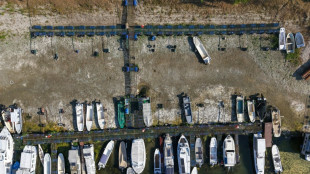
Danube drops to 'historic lows' as fresh heatwave hits
-
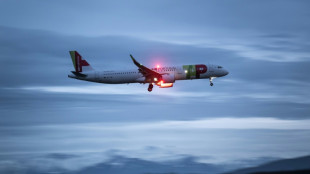 Air France-KLM and Lufthansa bid for Portugal's TAP airline
-
BTS pulls out of Grammys after Asian pop category introduction

-
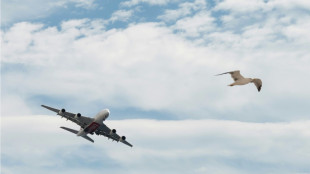 Profits soar at Airbus as it delivers more planes
-
OpenAI says rogue AI agent attack hit other companies

-
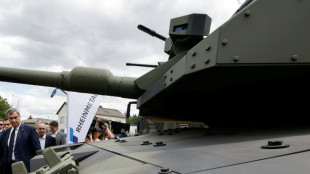 Rheinmetall shares surge after armsmaker reports record profit
-
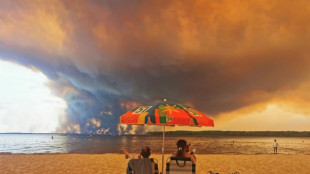
How an AFP beach snap became emblem of Europe's wildfire summer
-
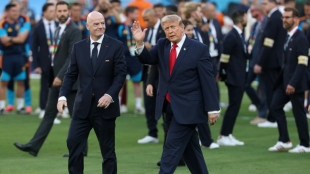 FIFA hit by furious backlash over plans to sell stake in competitions
-
TRX Spot and Perpetuals Listing Launches on Backpack, Expanding Access to the TRON Ecosystem

-
 MEXC Integrates World-Check to Fortify Institutional Grade Compliance Architecture
-
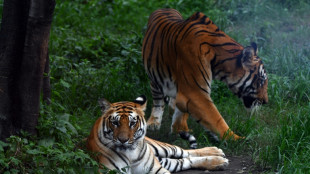
Nepal's tiger numbers climb 20 percent to estimated 429: survey
-
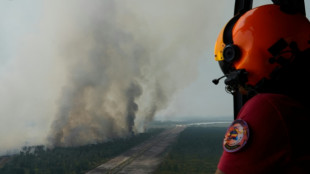 Spain returns wildfire evacuees as France braces for worsening weather
-
FIFA's plans to sell $4.2bn stake in its tournaments widely criticised
Climate talks reach endgame on new finance deal
The UN's marathon climate summit neared the finish line early Sunday, with nations due to approve or reject a hotly-disputed deal for wealthy historic emitters to provide at least $300 billion to poorer countries that had demanded much more.
After an exhausting two weeks of negotiations in Azerbaijan's Caspian Sea capital of Baku, COP29 president Mukhtar Babayev declared open the final summit plenary after midnight, two days after the conference was officially scheduled to end.
A final text was released following several sleepless nights for negotiators, with tensions boiling over as small islands states and the world's poorest countries walked out of one meeting.
"This package is an affront to us. We are the countries that have the most at stake," said Tina Stege, climate envoy of the Marshall Islands, an atoll nation threatened by rising seas.
Top German negotiator Jennifer Morgan told AFP that countries would be presented a "take it or leave it" deal.
Before the closing session, delegates huddled in small groups on the floor of the main conference room inside Baku's sports stadium to pore over copies of the latest draft deal line by line.
"I know that none of us want to leave Baku without a good outcome," Babayev said.
A number of countries have accused Azerbaijan, an authoritarian oil and gas exporter, of lacking the experience and will to meet the moment, as the planet again sets temperature records and faces rising deadly disasters.
Small island nations and impoverished African states on Saturday angrily stormed out of a meeting with Azerbaijan, saying their concerns had been ignored.
"I think it caught a lot of people by surprise," said Brazil's climate envoy, Ana Toni. "It all happened very quickly."
The walkout triggered an emergency meeting between those nations and top negotiators from the European Union, United States and Britain with the COP29 presidency in which new proposals were made.
Wealthy countries and small island nations have also been concerned by efforts led by Saudi Arabia to water down calls from last year's summit to phase out fossil fuels.
The final text proposes that rich nations raise to at least $300 billion a year by 2035 their commitment to poorer countries to fight climate change.
It is up from $100 billion now provided by wealthy nations under a commitment set to expire -- and from $250 billion proposed in a draft Friday.
That offer was slammed as offensively low by developing countries, which have demanded at least $500 billion to build resilience against climate change and cut emissions.
Sierra Leone's climate minister Jiwoh Abdulai, whose country is among the world's poorest, called the draft "effectively a suicide pact for the rest of the world".
Developing power Brazil pleaded for at least some progress and said it would seek to build on it when it leads COP30 next year in the Amazon gateway of Belem.
"After the difficult experience that we're having here in Baku, we need to reach some outcome that is minimally acceptable in line with the emergency we're facing," Brazil's environment minister Marina Silva told delegates.
- Tired and 'disheartened' -
As staff at the cavernous and windowless stadium began packing up, diplomats rushed between meetings, some armed with food and water in anticipation of another late night.
Panama's outspoken negotiator, Juan Carlos Monterrey Gomez, warned not to repeat the failure of COP15 in Copenhagen in 2009.
"I'm sad, I'm tired, I'm disheartened, I'm hungry, I'm sleep-deprived, but there is a tiny ray of optimism within me because this cannot become a new Copenhagen," he told reporters.
Climate activists shouted "shame" as US climate envoy John Podesta walked the halls. "Hopefully this is the storm before the calm," he said.
Wealthy nations say it is politically unrealistic to expect more in direct government funding.
Donald Trump, a sceptic of both climate change and foreign assistance, returns to the White House in January and a number of other Western countries have seen right-wing backlashes against the green agenda.
The draft deal posits a larger overall target of $1.3 trillion per year to cope with rising temperatures and disasters, but most would come from private sources.
The United States and EU have wanted newly wealthy emerging economies like China -- the world's largest emitter -- to chip in.
The final draft encouraged developing countries to make contributions on a voluntary basis, reflecting no change for China which already pays climate finance on its own terms.
The EU and other countries have also tussled with Saudi Arabia over including strong language on moving away from fossil fuels, which negotiators say the oil-producing country has resisted.
"We will not allow the most vulnerable, especially the small island states, to be ripped off by the new, few rich fossil fuel emitters," said German Foreign Minister Annalena Baerbock.
bur-np-sct-lth/jm
T.Morelli--CPN