
-
 Micron's Taiwan workers say 68 months' bonus not enough
-
'Another arrow to the quiver': World Bank posts record private capital mobilization

-
 Canada's Carney pushes 'new alliance' with EU despite Trump threats
-
Ireland to boycott Eurovision 2027 over Gaza

-
 Beyond Investment Returns: Families Are Measuring Wealth by Freedom, Continuity, and Legacy, According to Nour Private Wealth
-
India's Tata Sons reappoints N. Chandrasekaran as chairman

-
 King Charles disputes claims in book by Princess Diana's brother
-
Germany urges EU action against China to defend carmakers

-
 Nepal floods among 'most challenging' disasters: WFP
-
Japan eyes changing prostitution law to punish sex buyers

-
 Kids and social media: what would change under new EU law
-
Modi pitches India as global chipmaking hub

-
 King Charles to call on tech giants for 'reassurances' over AI
-
Ukraine plans record defence spending in 2027

-
 STARPRIME Responds to Diverging Gold Market Demand with AM/PM Fixing and XAU24/7
-
NASA scan discovers new, 'once in a century' Moon crater

-
 Where the US-China tariff row stands ahead of White House summit
-
Most stocks rise as Fed hikes and indicates drive to curb inflation

-
 Indonesia cash-for-photos scheme turns animal hunters into protectors
-
UK-Sudanese author pens book to give children 'African history of Africa'

-
 Bayer to Present How it Rebuilt Global Planning with OMP at Gartner Supply Chain Planning Summit 2026
-
Argentine judge orders suspension of Falklands oil project

-
 US Congress passes sweeping Russia sanctions bill
-
US Fed raises rates to tackle 'too high' inflation, irking Trump

-
 US stocks fall, dollar gains after Fed lifts interest rates
-
Turkey releases 106 protesters, jails more LGBTQ activists

-
 US Fed raises rates to tackle 'too high' inflation in move sure to rile Trump
-
Candidate for UN chief calls for AI regulation akin to nuclear weapons

-
 US Fed raises rates to battle inflation in move likely to rile Trump
-
'We're losing control,' AI pioneer Yoshua Bengio tells AFP

-
 US House faces test on sweeping Russia sanctions bill
-
IR-MED and Dice Technologies Announce collaboration to Evaluate and Advance Pressure-Injury Prevention Platform in Japan

-
 British PM says to make 'difficult decisions' as inflation rises
-
Watts, Pitt, Cruz to light up Spain's top film festival

-
 Global fuel price demos: a round-up
-
Toogood Gold's Table Mountain Sits in the Shadow of a Nevada Gold Rush

-
 Leverate Launches MCP for Traders to Connect AI Assistants With Trading Platforms
-
MEXC July–August Security Report: 38.66M USDT in Risk Funds Intercepted, Futures Insurance Fund Hits 792M USDT

-
 MEXC Launches $1M "Discover Your Wall Street DNA" Campaign to Help Traders Find Their Market Fit
-
Emporio Armani names Dario Vitale new creative director

-
 Stocks edge higher ahead of US Fed rate call
-
EU to ban social media for under 13s, curb access until 15

-
 BASIS.pro Expands On-Chain Infrastructure with XDC Network Partnership and Zypher DAO as Auto Earn Goes Live
-
Wildfires push endangered Sumatran elephants to brink: Indonesian NGO

-
 Pickle-flavoured tart? AI inspires Japan's convenience stores
-
Bank of Japan set to raise rates under pressure from inflation, US

-
 EU chief hosts Canada's Carney in push to 'deepen' alliance
-
EU chief to unveil social media, gaming curbs for under-15s

-
 Meta chief pushes back on AI slowdown calls
-
'Resident Evil' film brings video game's ethos to the big screen

How important is sustainable development?
Economic growth and environmental protection: a balancing act with potential for the future?
At a time when climate change and environmental degradation are among the most pressing global challenges, many countries are faced with the question of how to grow economically while remaining environmentally friendly. This challenge requires innovative approaches and a reorientation of traditional economic practices.
Sustainable economic management is the key:
Sustainable economic management means using resources in such a way that the needs of the present generation are met without compromising the ability of future generations to meet their own needs. This includes integrating environmental aspects into all economic decisions. Companies and governments must consider environmental sustainability an integral part of their operations, not an added cost factor.
Promoting green technologies:
Technological progress plays a crucial role in reconciling economic growth and environmental protection. Investing in renewable energies such as wind, solar and hydroelectric power not only reduces greenhouse gas emissions, but also creates new jobs and industries. Countries that embrace green technologies early on can gain a competitive advantage and reduce their dependence on fossil fuels.
Implement a circular economy:
The traditional linear economic model – produce, consume, dispose – leads to resource waste and pollution. The circular economy, on the other hand, aims to keep materials and products in use for as long as possible, minimising waste and conserving resources. By recycling, reusing and repairing, countries can both ease the burden on the environment and reap economic benefits.
Setting the political framework:
Governments play a crucial role in creating incentives for environmentally friendly economic activity. This can be done by providing tax breaks for sustainable companies, investing in green infrastructure or setting stricter environmental standards. A prominent example is carbon pricing, which incentivises companies to reduce their emissions and invest in environmentally friendly alternatives.
Promoting education and awareness:
A shift towards a sustainable economy also requires a change in the way society thinks. Education programmes can raise awareness of environmental issues and empower the next generation to make sustainable choices. Environmentally conscious consumers can urge companies to adopt more sustainable practices.
Strengthen international cooperation:
To effectively address global environmental issues, cooperation between countries is essential. International agreements such as the Paris Climate Accord set targets for reducing greenhouse gas emissions and promote the exchange of technologies and knowledge. Through joint efforts, countries can both benefit economically and contribute to protecting the planet.
Conclusion:
reconciling economic growth and environmental protection is not an impossible task, but a necessity for a sustainable future. By promoting green technologies, implementing the circular economy, taking appropriate policy measures and cooperating internationally, countries can embark on a path that ensures both economic prosperity and the preservation of our environment. It is up to governments, businesses and individuals to actively shape this change.
Trump’s 50% tariffs on europe

Malaysia's Strategic Ascent

Boomers: Selfish or Scapegoats?
North Korea Infiltrates Economy
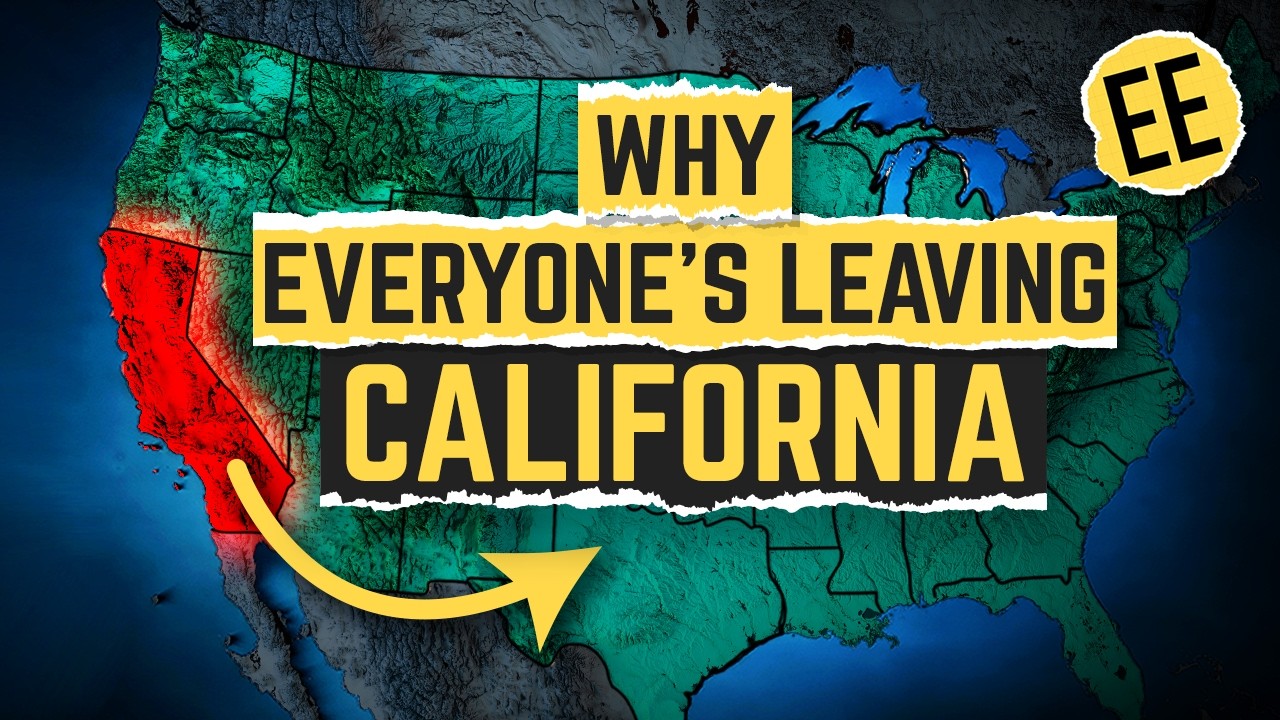
California's Economy: Not Broken

Ukraine's Drones Bleed Russia

Orban and Putin's Shadow Deal

Saudi Arabia's Economic Crisis

Iran: Allies abandoned

Israel-Iran: USA Strikes

Israel's War on Iran's Ayatollahs



