-
 Micron's Taiwan workers say 68 months' bonus not enough
-
'Another arrow to the quiver': World Bank posts record private capital mobilization

-
 Canada's Carney pushes 'new alliance' with EU despite Trump threats
-
Ireland to boycott Eurovision 2027 over Gaza

-
 Beyond Investment Returns: Families Are Measuring Wealth by Freedom, Continuity, and Legacy, According to Nour Private Wealth
-
India's Tata Sons reappoints N. Chandrasekaran as chairman

-
 King Charles disputes claims in book by Princess Diana's brother
-
Germany urges EU action against China to defend carmakers

-
 Nepal floods among 'most challenging' disasters: WFP
-
Japan eyes changing prostitution law to punish sex buyers

-
 Kids and social media: what would change under new EU law
-
Modi pitches India as global chipmaking hub

-
 King Charles to call on tech giants for 'reassurances' over AI
-
Ukraine plans record defence spending in 2027

-
 STARPRIME Responds to Diverging Gold Market Demand with AM/PM Fixing and XAU24/7
-
NASA scan discovers new, 'once in a century' Moon crater

-
 Where the US-China tariff row stands ahead of White House summit
-
Most stocks rise as Fed hikes and indicates drive to curb inflation

-
 Indonesia cash-for-photos scheme turns animal hunters into protectors
-
UK-Sudanese author pens book to give children 'African history of Africa'

-
 Bayer to Present How it Rebuilt Global Planning with OMP at Gartner Supply Chain Planning Summit 2026
-
Argentine judge orders suspension of Falklands oil project

-
 US Congress passes sweeping Russia sanctions bill
-
US Fed raises rates to tackle 'too high' inflation, irking Trump

-
 US stocks fall, dollar gains after Fed lifts interest rates
-
Turkey releases 106 protesters, jails more LGBTQ activists

-
 US Fed raises rates to tackle 'too high' inflation in move sure to rile Trump
-
Candidate for UN chief calls for AI regulation akin to nuclear weapons

-
 US Fed raises rates to battle inflation in move likely to rile Trump
-
'We're losing control,' AI pioneer Yoshua Bengio tells AFP

-
 US House faces test on sweeping Russia sanctions bill
-
IR-MED and Dice Technologies Announce collaboration to Evaluate and Advance Pressure-Injury Prevention Platform in Japan

-
 British PM says to make 'difficult decisions' as inflation rises
-
Watts, Pitt, Cruz to light up Spain's top film festival

-
 Global fuel price demos: a round-up
-
Toogood Gold's Table Mountain Sits in the Shadow of a Nevada Gold Rush

-
 Leverate Launches MCP for Traders to Connect AI Assistants With Trading Platforms
-
MEXC July–August Security Report: 38.66M USDT in Risk Funds Intercepted, Futures Insurance Fund Hits 792M USDT

-
 MEXC Launches $1M "Discover Your Wall Street DNA" Campaign to Help Traders Find Their Market Fit
-
Emporio Armani names Dario Vitale new creative director

-
 Stocks edge higher ahead of US Fed rate call
-
EU to ban social media for under 13s, curb access until 15

-
 BASIS.pro Expands On-Chain Infrastructure with XDC Network Partnership and Zypher DAO as Auto Earn Goes Live
-
Wildfires push endangered Sumatran elephants to brink: Indonesian NGO

-
 Pickle-flavoured tart? AI inspires Japan's convenience stores
-
Bank of Japan set to raise rates under pressure from inflation, US

-
 EU chief hosts Canada's Carney in push to 'deepen' alliance
-
EU chief to unveil social media, gaming curbs for under-15s

-
 Meta chief pushes back on AI slowdown calls
-
'Resident Evil' film brings video game's ethos to the big screen

Israel-Iran: USA Strikes
The ongoing conflict between Israel and Iran has reached a critical juncture, with the United States becoming increasingly embroiled in the hostilities. Recent military actions, including U.S. strikes on Iranian nuclear sites, have escalated tensions in the Middle East, drawing global attention and concern. This article explores the latest developments in the Israel-Iran conflict, the role of the United States, and the potential implications for international security.
Background of the Conflict
The Israel-Iran conflict has deep historical roots, but recent events have brought the tensions to a boiling point. Israel has long viewed Iran’s nuclear programme as an existential threat, while Iran has consistently denied seeking nuclear weapons, insisting its programme is for peaceful purposes. The conflict intensified in June 2025, when Israel launched a series of airstrikes on Iranian nuclear facilities, including Fordow, Natanz, and Isfahan. These strikes were aimed at crippling Iran’s ability to develop nuclear weapons, a goal Israel has pursued with increasing urgency.
In response, Iran retaliated by firing missiles at Israeli targets, including Ben Gurion Airport and military command centres. The Iranian Revolutionary Guard Corps (IRGC) also deployed advanced missiles, such as the Kheibar Shekan, in what it described as retaliatory measures. The conflict has resulted in significant casualties, with over 430 deaths reported in Iran and 24 in Israel, along with thousands of injuries on both sides.
U.S. Involvement: A Turning Point
The United States, a long-standing ally of Israel, initially maintained a cautious stance, focusing on diplomatic efforts to de-escalate the situation. However, on June 22, 2025, the U.S. military launched airstrikes on three key Iranian nuclear sites—Fordow, Natanz, and Isfahan—marking a significant escalation in the conflict. U.S. President Donald Trump described the operation, dubbed "Operation Midnight Hammer," as a "spectacular military success" and warned Iran of further strikes if Voiceit retaliated.
The U.S. strikes were carried out using B-2 stealth bombers and submarine-launched Tomahawk cruise missiles, targeting Iran's nuclear infrastructure. While Trump claimed that the sites were "completely and fully obliterated," Iranian officials downplayed the damage, stating that no contamination or radiation leaks had occurred. The strikes have raised concerns about the potential for a broader regional war, with fears that the conflict could spiral out of control.
International Reactions and Diplomatic Efforts
The international community has reacted with alarm to the escalating conflict. United Nations Secretary-General António Guterres expressed grave concern, warning that the situation could lead to "catastrophic consequences for civilians, the region, and the world." He called for an immediate cessation of hostilities and a return to negotiations. Similarly, the European Union’s foreign policy chief, Kaja Kallas, urged all parties to exercise restraint and prevent further escalation.
Several countries, including China, Russia, and members of the Arab League, have condemned the U.S. and Israeli actions, calling them violations of international law. China’s official stance criticised the U.S. strikes as a "further step toward the abyss," while Oman, which had been mediating nuclear talks between the U.S. and Iran, described the attacks as a "serious violation of international law." Despite these condemnations, the U.S. and Israel have defended their actions as necessary to prevent Iran from acquiring nuclear weapons.
Diplomatic efforts to resolve the conflict have thus far failed. Iran’s foreign ministry has stated that the time for diplomacy has passed, and the country has the right to defend itself. Meanwhile, U.S. officials have indicated that they do not seek a full-scale war but are prepared to take further action if necessary. The situation remains highly volatile, with both sides exchanging threats and preparing for potential further military engagements.
Iran's Response and Internal Dynamics
Iran’s leadership has vowed to retaliate against both Israel and the United States. Supreme Leader Ayatollah Ali Khamenei has warned that the "punishment" of Israel will continue, and Iranian officials have hinted at targeting U.S. military assets in the region. Despite the external pressure, Iran’s nuclear agency has reported that its facilities remain operational, with no significant damage to its nuclear programme. However, the conflict has taken a toll on Iran’s civilian population, with hundreds of deaths and widespread disruption to daily life.
Internally, Iran faces growing unrest, as the conflict exacerbates economic hardships and fuels public discontent. Reports from Tehran indicate that many residents have fled the city to escape the violence, while others have taken to the streets in protest against the government’s handling of the crisis. The Iranian regime, already weakened by years of sanctions and internal dissent, now faces the dual challenge of managing a war with Israel and the U.S. while maintaining domestic stability.
The Role of Regional Actors
The conflict has also drawn in other regional actors, though their involvement has been limited. Iran’s proxy forces, such as Hezbollah in Lebanon and the Houthis in Yemen, have remained largely silent, offering little concrete support to Tehran. This lack of backing has left Iran increasingly isolated, as its allies face their own domestic pressures and are reluctant to engage in a wider conflict. Israel, on the other hand, has received tacit support from several Gulf states, which view Iran as a common adversary.
The United States’ decision to intervene militarily has further complicated the regional dynamics. While some Arab nations have privately welcomed the strikes as a blow to Iran’s nuclear ambitions, others have publicly condemned the U.S. actions, fearing that the conflict could destabilise the entire Middle East. The situation remains fluid, with the potential for further escalation depending on Iran’s next moves.
Final Conclusion
The Israel-Iran conflict, now involving the United States, represents one of the most dangerous flashpoints in the Middle East in decades. With both sides entrenched in their positions and the international community divided on how to respond, the risk of a broader war looms large. The coming days will be critical in determining whether diplomatic efforts can prevail or if the region will descend into further violence. As the world watches, the stakes for global security have never been higher.

EU: Overcoming barriers to equality

Germany and its outdated pension system
How important is sustainable development?
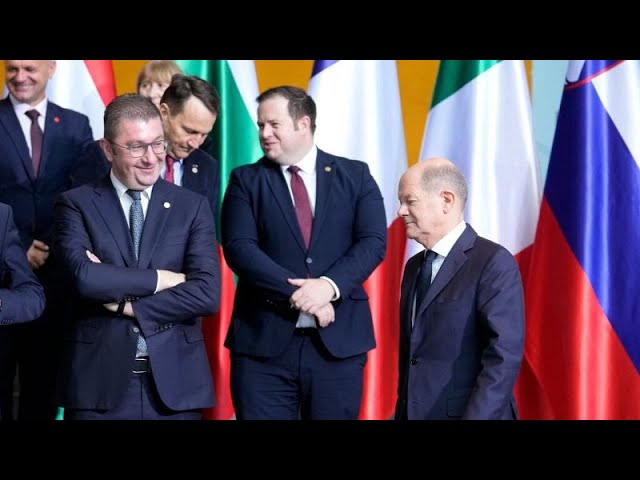
Berlin: EU-Summit of western Balkan heads of state
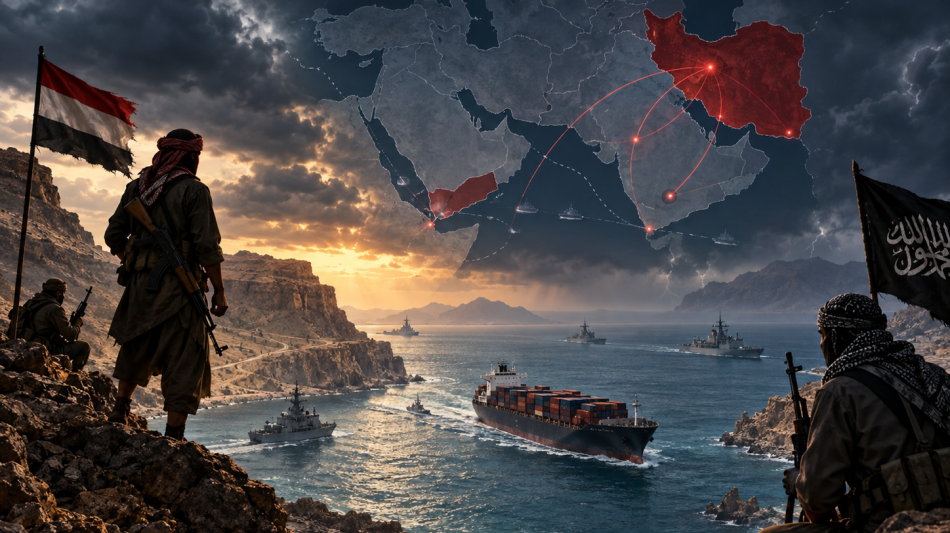
Houthis and al-Qaeda

Germany: The fight against economic migrants
Polish PM and the danger of asylum seekers
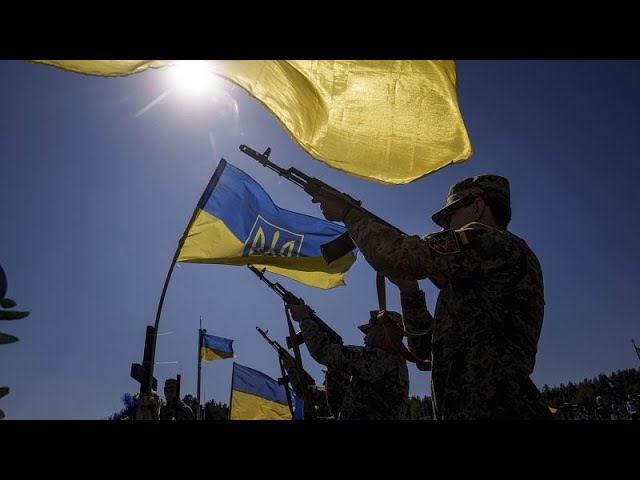
Ukraine: Recruiters searched Kyiv venues

EU: Austrian elections shake Establishment
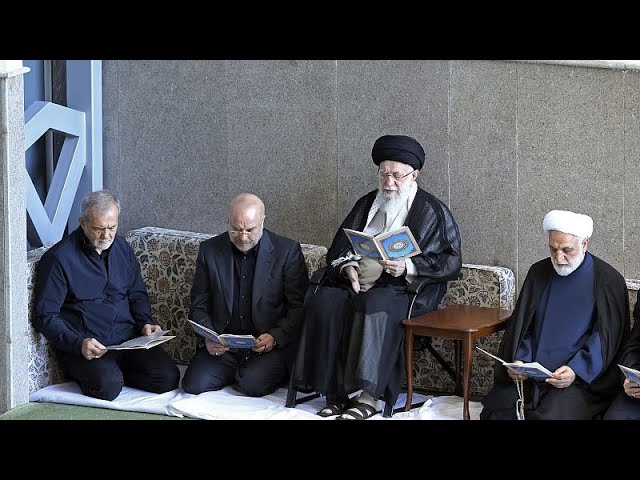
Terrorist state Iran: ‘We are ready to attack Israel again’
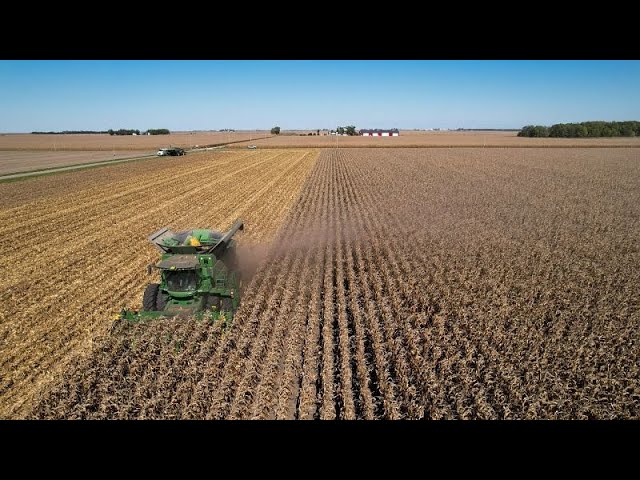
EU: Greenpeace warns of dying farms