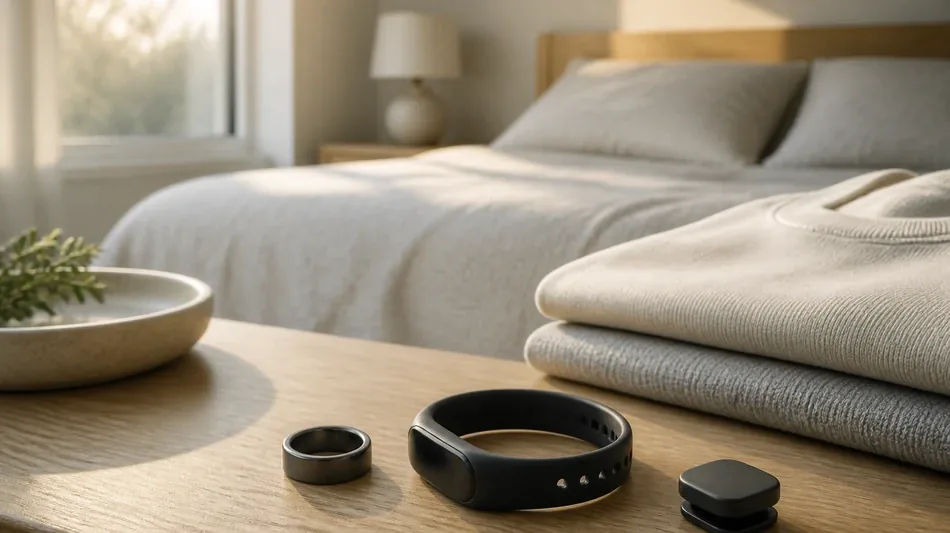
Screen-free fitness bands gain ground as users seek fewer alerts

 Stocks drop as Warsh fans US rate hike bets, crude up on US-Iran strikes

 Injuries cloud tennis as US Open gets under way

 John Ternus to lead Apple into the age of AI

 Instagram offers three routes to two-factor authentication
 September smartphone calendar spans Apple, Poco, Vivo and Xiaomi

 Screen-free fitness bands gain ground as users seek fewer alerts

 Practical boundaries can reduce group-chat overload

 Beeston pub closes after office fire injures man

 Russell Hobbs dual air fryer discounted to £99

 King Haakon joins Norway memorials for Harald

 NASA launches Roman telescope on cosmic mapping mission

 Walmart Agrees to $50 Million Settlement Over Opioid Prescription Allegations

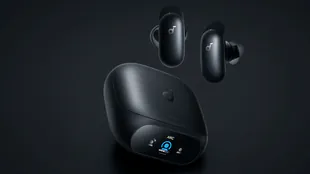 Soundcore Liberty 5 Pro Review: Call Quality Redefines Value in Wireless Earbuds

 NASA's Roman telescope set to launch on cosmic mapping mission

 Data center backlash scrambles US midterm politics

 Rural Tamil Nadu students present 64 technology projects at IIT-M research park

 Baladi Map app turns Lebanon’s local problems into a public record

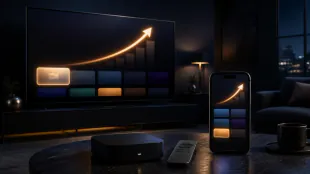 Apple Raises TV Streaming Price to $14.99 a Month

 Chennai Sets ₹100 Crore Flood-Readiness Plan for Vulnerable Areas

 Norway, in mourning, enters new era under King Haakon VIII

 Seven Arrested After VCK Functionary Killed in Thiruneermalai Attack

 New Jersey Man Faces Federal Charges After Authorities Seize 109 Homemade Bombs

 Los Angeles County Rapper Among Three Charged in $8.1 Million Stolen-Check Case

 Rescuers claw through mud as missing toll from Nepal, China flood nears 3,000

 SUV Tyre Failure Kills Three Chennai College Students

A growing range of screen-free wearables is positioning passive health tracking as an alternative to notification-heavy smartwatches.
Manufacturers are expanding the market for screen-free fitness trackers that collect heart rate, sleep and activity data without placing messages or scores on the wrist. Current products include the Garmin Cirqa, Google Fitbit Air, Polar Loop, Amazfit Helio Strap and Whoop bands, while Apple is reportedly considering a similar device.
The category removes the display but generally retains familiar sensors, Bluetooth and a battery. Whoop has sold screen-free bands since 2015, when it marketed its system mainly to elite athletes. Its current service targets a broader audience and costs $199 a year. Google offers basic Fitbit Air data without a subscription, while explanatory health features under Google Health Premium cost $10 a month.
Peter Richardson of Counterpoint Research said AI-based health guidance remains at an early stage but is likely to advance. University of Nottingham researcher Elizabeth Marsh said digital workplaces can produce information overload, interruptions and blurred boundaries. She recommends intentional technology use, sustained attention and a patient attitude toward changing habits. Screen-free trackers do not remove digital demands, but they allow users to review health information on their own schedule.
P.Petrenko--CPN