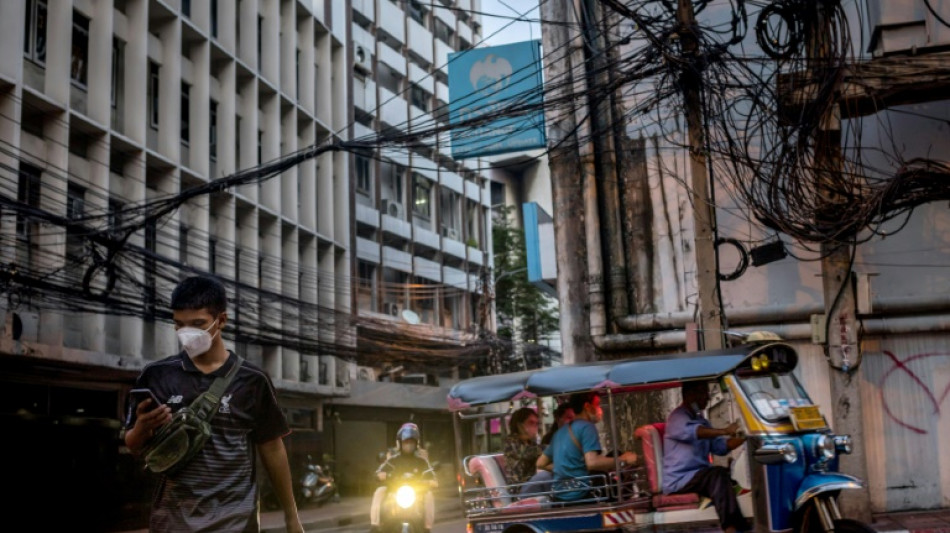
Thai regulators approve controversial telecom merger / Photo: Jack TAYLOR - AFP/File

 TotalEnergies profit hits record on high oil prices
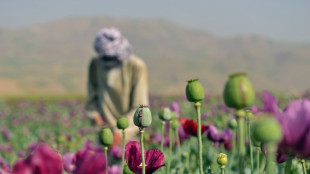 Afghanistan opium poppy cultivation surges despite Taliban govt ban: UN
 Microsoft beats expectations fueled by Azure cloud business

 Shares in Google owner Alphabet sink on profit miss, ad slowdown
 Pioneering US labor leader Dolores Huerta dies at 96

 US Fed holds interest rates steady despite surging inflation

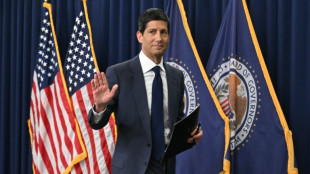
 US labor leader Dolores Huerta dead: family

 French firm Safran helps build aircraft wings of the future in UK factory

 World Bank warns of worsening food insecurity as commodity prices soar

 Billionaire Ambani's Jio soars in market debut after India's biggest IPO
Thailand's telecom regulator on Thursday approved the merger of Telenor's Thai arm and a local rival that would create the kingdom's biggest mobile services provider, despite concerns about competition and consumer harm.
Norwegian giant Telenor and Thai conglomerate Charoen Pokphand (CP) declared their plan to combine their respective mobile units -- Dtac and True -- last year.
That would create Thailand's biggest mobile company with more than 51 percent of the market share -- and critics say that would effectively result in a duopoly with AIS, which has 47 percent of the market.
While approving the merger, the National Broadcasting and Telecommunications Commission said in a statement that it had placed special conditions, including a price ceiling and rules on frequency sharing.
Telenor and CP said last year that they would each own 33.3 percent of the merged company, with the rest listed on the Thai stock exchange. China Mobile holds an 18 percent stake in CP's True.
Opponents of the deal have warned that allowing it to go ahead would result in much higher prices for consumers.
"Several studies have suggested that if the merger gets a green light, the general public will be badly affected," Thailand Development Research Institute president Somkiat Tangkitvanich said in a statement.
The Thailand Consumer Council expressed disappointment at the NBTC's decision, and said it would seek an emergency hearing from an administrative court to try to stop the merger.
Former NBTC commissioner Supinya Klangnarong -- a prominent campaigner against the merger -- also flagged civil rights concerns.
"This deal would not only affect us in terms of pricing but it goes further by reflecting on our civil rights and freedom. In the context of Thailand, most capitalists are associated with politicians," Supinya told AFP.
Active in Northern Europe and Southeast Asia, Telenor is also finalising the merger of its subsidiary in Malaysia, DiGi, with Celcom, controlled by Malaysian group Axiata.
Telenor exited Myanmar following the military coup there last year.
M.Anderson--CPN