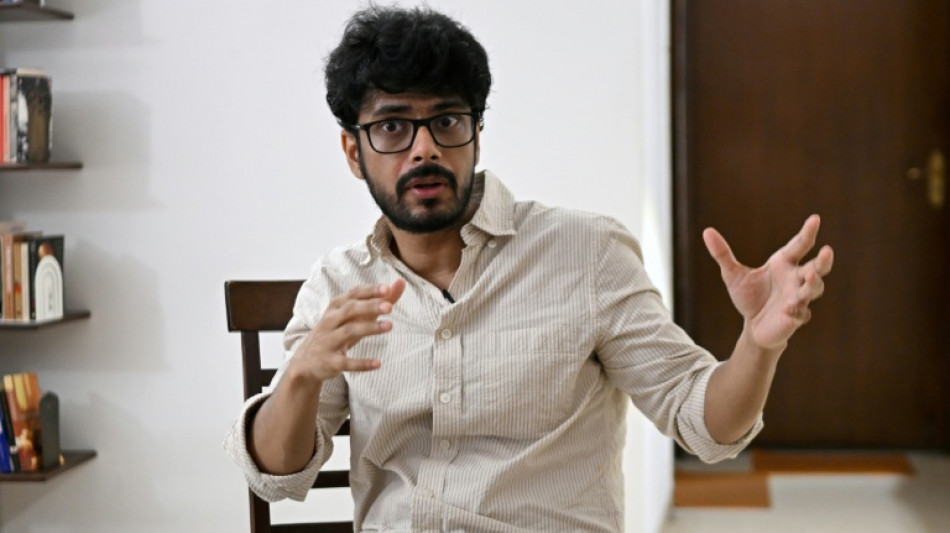
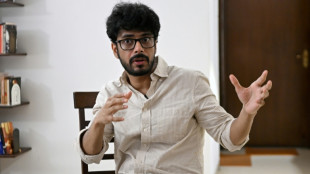
Indian Oscar-nominated filmmaker turns camera on his cancer / Photo: Arun SANKAR - AFP

 Dukascopy Bank Unveils AI-Powered Trading, 25,000+ Stock CFDs and a New Flagship E-Banking App

 Tech firms rally but Asian markets mixed, with eyes on US inflation
 Jakarta airport extends closure after volcano eruption

 Tech firms rally on mixed day for Asian markets, with eyes on US inflation
 ECB set to hike interest rates as Iran war flares anew
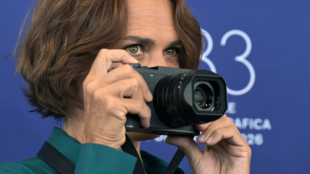 Venice festival turns gaze on war reporters, media industry
 Vandals uproot Berlin tree commemorating Pride attack victims
 China's memories of Mao fade to nostalgia 50 years after his death
 'The flood is coming': How a Nepal principal saved 900 students
 Kiefer Sutherland still in action, but ibuprofen lending helping hand
 Bangladesh measles toll nears grim 1,000-child mark
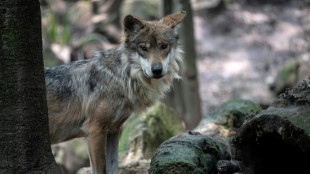 Trump again seeks to remove protections for wolves

 Moody’s Assigns First-Time Insurance Financial Strength Ratings to Freedom Insurance and Freedom Life

 Nigeria's Dangote refinery looks to raise $1.6 bn in IPO
 Job growth, but surging diesel prices - Trump's midterms mixed bag

 Director Maggie Gyllenhaal ditched AI for Marilyn Monroe film

 US safety regulator probes Tesla's Cybercab

 Liquid Mercury Announces Initial Closing of ACQUA1 Offering

 Stocks slip as robust US jobs data stokes rate hike chances
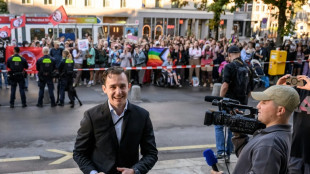 Swiss far-right extremists go on trial amid protests
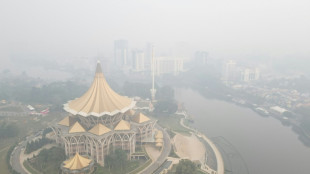 Malaysia declares haze emergency in Sarawak state on Borneo
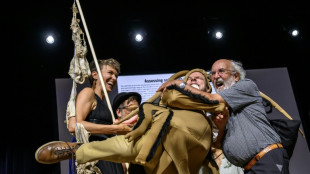 Optimised urinals and buried underwear at 2026 Ig Nobels
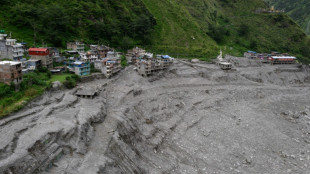 Nepal's 'Himalayan tsunami': what we know

 SPAYZ.io brings Africa’s payment growth story to Forex Expo Dubai 2026

 PU Prime Launches Australian Operations under ASIC Licence

Indian filmmaker Shaunak Sen's new documentary began as a "coping" mechanism after a shock cancer diagnosis, but continues the motifs of environmental degradation and caregiving that drove his previous work.
Sen's "All That Breathes", which follows two brothers running a largely self-funded clinic for birds falling victim to Delhi's polluted air, won top documentary prizes at Sundance and Cannes in 2022 and was nominated for Best Documentary Feature at the 2023 Oscars.
"It became a kind of coping strategy, or a way to deal or dissociate or displace the terror of what you've just been told," Sen, 39, told AFP about his as-yet-untitled project, in an interview from his home in New Delhi.
The diagnosis brought home "the same risks" that make hundreds of birds fall every year from New Delhi's throat-burning polluted skies -- this time on "my own body", Sen said.
"Whenever you ask most oncologists why this happened, or why this current giant spike in cancer rates is occurring, a lot of them would talk about environmental factors like toxins or chemicals or the air," he said.
New Delhi and its sprawling metropolitan region of 30 million residents is regularly ranked among the world's most polluted capitals, due to a mix of emissions from power plants, heavy traffic and the burning of rubbish and crops.
A 2024 study in The Lancet Planetary Health estimated that 3.8 million deaths in India between 2009 and 2019 were linked to air pollution.
- 'Meditative' -
The central protagonist in Sen's new work is not the filmmaker himself but his surgeon.
"I did not want to make something that was solipsistically inwards folding," he said.
It echoes his documentary "All That Breathes", where caregiving is at the emotional core of the film.
"What I loved in a surgeon was the ability to completely lose yourself, to be immersed in the absolute present," he said.
"That feels meditative and contemplative. It's a kind of melting away of everything extraneous, and you're in the pinprick of the moment."
- City as 'wallpaper' -
The film is also about Sen's relationship with New Delhi, where he grew up, went to school and university, and the setting for all his work.
"The city," he said, is the "wallpaper of this film."
"In this case, the wallpaper is doing things to me, and I'm kind of reacting to it -- through a more personalised lens than I ever have."
His 2016 debut documentary, "Cities of Sleep", examined the city's homeless population through the lens of sleep, following them in their quest for a safe place to rest.
Sen is also heading to the Toronto International Film Festival in September to screen "Termite", his first fiction short, about two Delhi termite exterminators.
Yet the nature of his latest undertaking means it is inevitably different from his previous work.
Sen's ethnographic approach to filmmaking means shooting characters for long periods to, as he put it, "yield or slow drip certain answers".
"There's a deep pleasure in that kind of a thing," he said.
"Time rewards you with accidents, but in this case, it would be really silly and self-congratulatory for me to say that, 'I gave this film time.'"
Sen has had surgery, but continues the long road to recovery.
Shooting the film, he said, was a "way to not look directly at a scary thing", and "to aesthetically convert it into a project, so that you don't have to stare it in the grim eyes of what it actually is".
"I guess it's a kind of a con job."
M.García--CPN