
As Zimbabwe's raw lithium ban pays off, ambitions grow / Photo: JOHN WESSELS - AFP

 Dozens arrested in major anti-LGBTQ raids in Turkey

 Poland, Ukraine slam Russian strikes near border as 'escalation'

 iPhone 18預購後出現可疑扣款 四間銀行調查未授權交易

 Galaxy Tab S12系列效果圖曝光 Ultra擬配雙鏡頭及瀏海螢幕

 Altman tells Fortune OpenAI will not go public in 2026
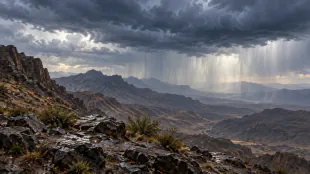 الأرصاد السعودية تتوقع سيولاً وأمطاراً رعدية في خمس مناطق

 Steven Strogatz weighs AI mathematics advances and their consequences for researchers

 Venezuelans outside Caracas say capital not sharing blackout burden

 Anthropic boss calls for slowing pace of AI development

 BRICS nations urge 'maximum restraint' in Middle East war

 Europe eyes battle over 'pervert' AI glasses

 Children in flood-hit Nepal grapple with loss, cling to hope

 Venice Film Festival: A look back on the highlights

 DR Congo school fire stampede death toll rises to 26: UNICEF

 Dance Fitness Tempe Announces Expansion of Accessible Digital Movement Programs

 Europe saw record summer air traffic despite Mideast war: Eurocontrol

 Relatives of 9/11 victims hit out at Saudi Arabia -- and US leaders

 Relative of 9/11 victim unleashes searing attack on Saudi Arabia

 Czech antitrust office lets Turkey's Pegasus Airlines buy Smartwings

 Investors on edge as energy costs, surging bond yields roil markets

 UK lawmakers to vote again on failed assisted dying bill

 Yemen's Houthis complete takeover of Bab al-Mandab area: govt official to AFP

 Fast-pace dance takes I.Coast's working-class streets by storm

 Fans celebrate Celine Dion's Paris return with giant karaoke

 Appreciation, anger await as Trump heads to Irish golf resort

Zimbabwe's first plant to process clean-energy metal lithium -- of which it is Africa's top producer -- is up and running, a milestone in its expanding drive to stop the wholesale export of its raw mineral wealth.
Buoyed by the development, the small southern African country is determined to go much further in its drive for local processing of its resources, even eyeing its own production of rechargeable lithium batteries.
It is part of a push by the country -- and others on the continent -- to add value domestically to raw materials to create jobs and lift export earnings.
"We will no longer tolerate the raw exportation of our wealth," President Emmerson Mnangagwa said this week as he opened an industrialisation conference.
"We would rather leave our valuable minerals underground than export them without processing them locally. The era of 'horse and rider' investment relationships is over."
In February, Zimbabwe froze exports of raw minerals ahead of a full ban in 2027, announcing it would require "in-country value addition and beneficiation".
The focus was on raw concentrates of the rechargeable battery ingredient lithium, with most of its hundreds of thousands of tons of annual production shipped out to China, the world's largest maker of electric vehicles.
The ban sent mining firms scrambling to build plants to process lithium sulfate, a step along the value chain towards battery‑grade materials.
The first, and only one so far, was set up at Goromonzi, around 30 kilometres (20 miles) east of Harare, a $400-million facility built by Chinese-owned Prospect Lithium Zimbabwe (PLZ) that became fully operational in May.
It was also a first for the continent, mines minister Polite Kambamura said on a tour last week.
"The construction of the first lithium sulphate plant in Africa is behind me, and this was done in Zimbabwe," he told journalists.
"We are very happy, as a government, to witness this milestone, especially as we continue pushing for local value addition and beneficiation," he said.
- Batteries and beyond -
Kambamura said PLZ had also nearly completed a plant to refine lithium carbonate, the next point along the processing sequence.
More sulphate processing plants were expected to come on line by the time the ban on lithium concentrate exports comes into force in January 2027, he said.
"The next step will be getting lithium batteries in Zimbabwe," he said. "We will rest only after we can produce... lithium batteries and solar panels."
Battery manufacturing requires extensive industrial supply chains that remain concentrated in Asia, with South Africa dominating the emerging sector on the continent.
Besides the focus on lithium, Zimbabwe's government has another 13 minerals -- from cobalt to platinum metals and rare earth elements -- on its list of "critical" minerals that cannot be exported in raw form from the start of next year.
- Gold -
The new policy is intended to secure long-term benefits from Zimbabwe's natural wealth, government spokesman Nick Mangwana said.
"Some of these minerals are finite and future generations may never see them. We do not want them to inherit white elephants," he told AFP.
The overhaul has extended to the significant gold sector, with the government announcing in May that only indigenous citizens and locally owned companies will be permitted to operate small- and medium-scale mines, which provide livelihoods for thousands.
"This policy is not exclusion, it is structured inclusion," said Payne Farai Kupfuwa, founder of the Young Miners Foundation, welcoming the move.
The growth of the lithium sector since the February export freeze -- with over $1 billion in investments since then -- shows that the limits on raw mineral exports "attracts value-adding industries, creates jobs, boosts the economy, and ensures more profits stay within the country," public policy expert Tedious Ncube told AFP.
P.Petrenko--CPN