In Kazakhstan, emptying villages and overcrowded cities / Photo: Ruslan PRYANIKOV - AFP

 Dozens arrested in major anti-LGBTQ raids in Turkey
 Poland, Ukraine slam Russian strikes near border as 'escalation'

 iPhone 18預購後出現可疑扣款 四間銀行調查未授權交易

 Galaxy Tab S12系列效果圖曝光 Ultra擬配雙鏡頭及瀏海螢幕

 Altman tells Fortune OpenAI will not go public in 2026

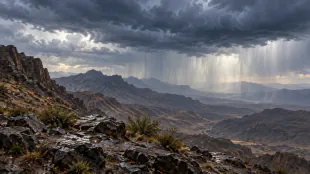 الأرصاد السعودية تتوقع سيولاً وأمطاراً رعدية في خمس مناطق

 Steven Strogatz weighs AI mathematics advances and their consequences for researchers

 Venezuelans outside Caracas say capital not sharing blackout burden

 Anthropic boss calls for slowing pace of AI development

 BRICS nations urge 'maximum restraint' in Middle East war

 Europe eyes battle over 'pervert' AI glasses

 Children in flood-hit Nepal grapple with loss, cling to hope

 Venice Film Festival: A look back on the highlights

 DR Congo school fire stampede death toll rises to 26: UNICEF

 Dance Fitness Tempe Announces Expansion of Accessible Digital Movement Programs

 Europe saw record summer air traffic despite Mideast war: Eurocontrol

 Relatives of 9/11 victims hit out at Saudi Arabia -- and US leaders

 Relative of 9/11 victim unleashes searing attack on Saudi Arabia

 Czech antitrust office lets Turkey's Pegasus Airlines buy Smartwings

 Investors on edge as energy costs, surging bond yields roil markets

 UK lawmakers to vote again on failed assisted dying bill

 Yemen's Houthis complete takeover of Bab al-Mandab area: govt official to AFP

 Fast-pace dance takes I.Coast's working-class streets by storm

 Fans celebrate Celine Dion's Paris return with giant karaoke

 Appreciation, anger await as Trump heads to Irish golf resort

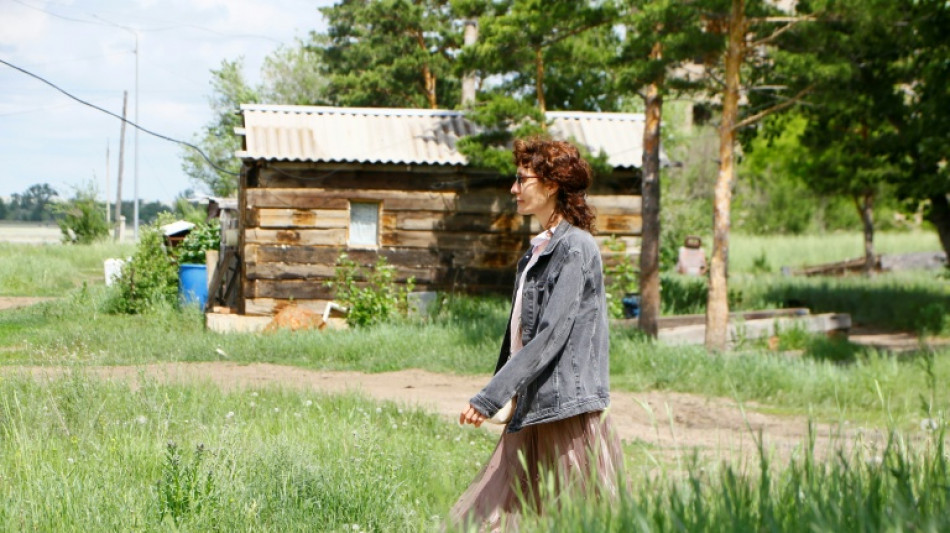
In a slowly emptying village in northern Kazakhstan, wild grass engulfed the entrances of abandoned apartment blocks, as children's songs spilled into the street from the only building still occupied.
Zaozerny is one of hundreds of villages in the Central Asian country that has seen almost its entire population leave -- many never to return as opportunities dry up and young people head to the ever-expanding cities.
"It's calm and peaceful here, I can always keep an eye on the children," said Yulia Sadvakasova, a 33-year-old schoolteacher and mother of two.
Around the village is the vast Kazakh steppe, stretching seemingly endlessly into a horizon broken only by the solitary tower of a cement plant.
A poster hung outside the school for upcoming municipal elections -- a rare reminder that life, for those who remain, has not frozen in time.
At the fall of the Soviet Union, the town had around 10,000 residents, supported by employment in a nearby uranium mine.
And now? Just 216.
Cows walk the floor of what used to be a city theatre. The former hospital is a heap of rubble and the uranium miner glorified on a huge Soviet mosaic has lost half his face.
To reach the nearest city, Sadvakasova must drive two hours along a neglected road that becomes almost impassable in rain or snow.
"Everything is badly broken up. Whenever we can, we go somewhere, even though it's difficult," she told AFP.
- Cities under pressure -
Vast Kazakhstan, the ninth-largest country in the world, stretches some 1,600 kilometres (994 miles) north-to-south and 3,000 kilometres west-to-east.
And with around 20 million residents, it is one of the world's least densely populated.
Officials say some 1,800 localities have already vanished since the turn of the century -- ghost villages that have become nothing more than decaying buildings and a name on a map.
The majority are in the north, where 1.2 million people have left since the Soviet collapse in 1991.
The exodus and the ageing of the ethnic Slavic population -- many descendants of people forcibly resettled there in the Soviet era -- and the lack of economic prospects are all driving the internal migration.
Around 25-30 percent of the Kazakh population live in just three cities: the capital Astana in the centre, and the southern metropolises of Almaty and Shymkent.
"People are moving en masse to Astana and Almaty," President Kassym-Jomart Tokayev said in June -- citing a lack of "social facilities" in the regions.
The influx is heaping "colossal pressure" on the cities, he warned in separate comments last year.
In Astana, schools are overloaded, and heating and water supply systems are struggling to cope, he said.
- 'Dynamism' -
Schoolteacher Anara Batalova moved to the capital from a Soviet-era apartment block in a small polluted industrial town in search of "dynamism".
"Astana pulled me in with its lights, young people, movement, new organisations, events, exhibitions," she told AFP.
"All our friends and neighbours have come from different towns and villages," she said.
Her suburban community of Kosshy, some 20 kilometres (12 miles) from central Astana, has exploded over the last 25 years -- growing from barely 2,000 inhabitants to 80,000.
The government is trying to stem the flow of people to the cities -- both to ease pressure on the urban centres and stem rural depopulation.
But state-backed financial incentives to encourage people to move to the north have had limited success.
Many who took up the offer have since moved back -- put-off by harsh winters and low wages.
Now the state is trying more radical steps.
Since spring, foreigners and ethnic Kazakhs who repatriate from abroad are banned from obtaining a resident permit in the three largest cities.
In Zaozerny, Acting Mayor Olga Zhukova hails recent signs of progress.
"Last year, our village was connected to running water and street lights were installed," she said.
She is banking on the revival of the nearby cement plant to save her community.
When production was temporarily suspended last year, many families left.
"Now the plant is resuming operations, specialists and workers are being recruited. We are pinning our hopes on this plant, that people will come and the village will continue to live."
L.Peeters--CPN