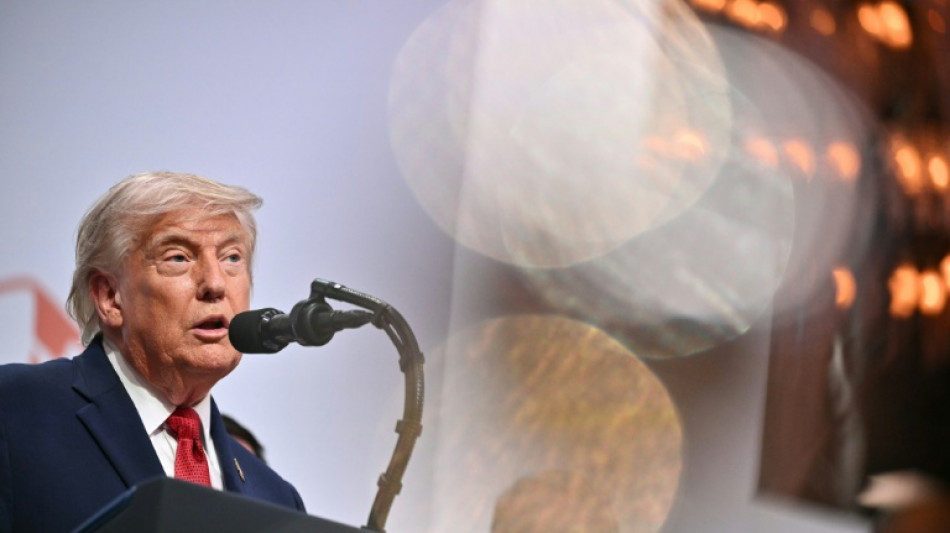
US unveils 25% tariff on certain goods from Brazil, drawing rebuke / Photo: Mandel NGAN - AFP

 Dozens arrested in major anti-LGBTQ raids in Turkey
 Poland, Ukraine slam Russian strikes near border as 'escalation'
 iPhone 18預購後出現可疑扣款 四間銀行調查未授權交易

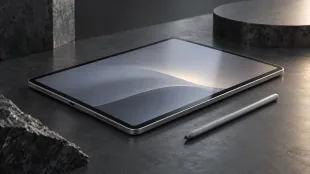 Galaxy Tab S12系列效果圖曝光 Ultra擬配雙鏡頭及瀏海螢幕
 Altman tells Fortune OpenAI will not go public in 2026
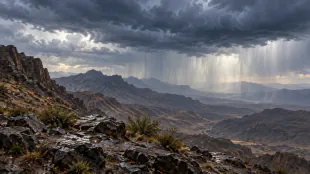 الأرصاد السعودية تتوقع سيولاً وأمطاراً رعدية في خمس مناطق

 Steven Strogatz weighs AI mathematics advances and their consequences for researchers

 Venezuelans outside Caracas say capital not sharing blackout burden

 Anthropic boss calls for slowing pace of AI development

 BRICS nations urge 'maximum restraint' in Middle East war

 Europe eyes battle over 'pervert' AI glasses

 Children in flood-hit Nepal grapple with loss, cling to hope

 Venice Film Festival: A look back on the highlights

 DR Congo school fire stampede death toll rises to 26: UNICEF

 Dance Fitness Tempe Announces Expansion of Accessible Digital Movement Programs

 Europe saw record summer air traffic despite Mideast war: Eurocontrol

 Relatives of 9/11 victims hit out at Saudi Arabia -- and US leaders

 Relative of 9/11 victim unleashes searing attack on Saudi Arabia

 Czech antitrust office lets Turkey's Pegasus Airlines buy Smartwings

 Investors on edge as energy costs, surging bond yields roil markets

 UK lawmakers to vote again on failed assisted dying bill

 Yemen's Houthis complete takeover of Bab al-Mandab area: govt official to AFP

 Fast-pace dance takes I.Coast's working-class streets by storm

 Fans celebrate Celine Dion's Paris return with giant karaoke

 Appreciation, anger await as Trump heads to Irish golf resort

An incoming US tariff targeting various imports from Brazil has drawn a rebuke from the Latin American giant, as Washington accused the country of unfair trade practices and policies.
The levy, announced Wednesday, is set to take effect July 22 and is shaping up as a major campaign flashpoint three months before Brazil holds a presidential election.
Washington imposed the tariff after a year-long investigation into Brazilian policies it argues harm US commerce -- an accusation Brasilia has fiercely denied.
A range of products including beef, coffee and certain aircraft parts will be exempted, however, a senior US official told reporters late Wednesday.
The exclusions also cover some goods that the United States does not produce.
Brazil condemned the tariffs on Thursday, promising that "reciprocal" measures would be taken.
"There is no justification for unilateral measures against our country," President Luiz Inacio Lula da Silva's office said in a statement on X.
Deploring the "lamentable outcome," he highlighted that in 2025, 76 percent of imports originating from the United States entered his country without paying import duties.
US Trade Representative Jamieson Greer said Brazil's "unreasonable" policies have hurt US commerce by unfairly benefiting Brazilian producers and "restricting access to one of the world's top export markets."
US Secretary of State Marco Rubio added that the Brazilian government had "not negotiated with the US in good faith."
"Lula has put his own ego ahead of making a deal for the welfare of the Brazilian people, and these tariffs are the price for that," he said on X.
While the US's National Coffee Association lauded the tariff exemption for coffee, a group representing American small businesses warned that they will bear the brunt of higher import costs.
"Businesses buying everyday products from Brazil will now pay new tariffs because of disputes over digital payment rules and other policies they have nothing to do with," said Dan Anthony, executive director of the coalition named We Pay the Tariffs.
- Political friction -
The tariff issue has increased political friction ahead of Brazil's October election as well.
Lula's main rival is Flavio Bolsonaro, son of far-right former leader Jair Bolsonaro, who is serving a 27-year sentence for attempting a coup d'etat.
Trump imposed tariffs on Brazil last year over the trial against his ally, which the US president described as a "witch hunt."
Most of those duties were later lifted after talks between the countries.
While Jair Bolsonaro's sons backed those tariffs during their father's trial, Flavio Bolsonaro urged Washington against imposing the new duties, arguing they could boost Lula's electoral campaign.
"Lula is no longer fit to be the president of Brazil. We are on a plane without a pilot," the younger Bolsonaro said after the fresh duties were announced.
The 44-year-old senator has fallen in the polls after a financial scandal and a public feud with his stepmother, the former first lady Michelle Bolsonaro.
- Deforestation and PIX -
The new tariff comes as Trump's administration pushes to rebuild his economic agenda after the US Supreme Court in February struck down a swath of his global duties.
The Brazil tariffs were justified under Section 301 of the Trade Act, which the Trump administration also used this year to initiate other trade probes.
US officials have already proposed new tariffs targeting dozens of trading partners for their alleged failure to act against forced labor.
In Brazil's case, Washington argues that illegal deforestation in the country makes it hard for the US logging industry to compete in global markets, among other issues.
Brazilian data shows deforestation in the Amazon fell last year to its lowest point since 2019.
The United States also charged that Brazil's free PIX electronic payment system -- the dominant method of making payments in the country -- disadvantages US credit card companies.
Greer said the US remained open to continuing negotiations.
But a US official warned that pushback could invite further US countermeasures.
M.Davis--CPN