-
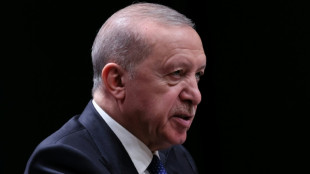 Dozens arrested in major anti-LGBTQ raids in Turkey
-
Leftwing opposition seen leading Sweden election, far-right losing ground

-
 Poland, Ukraine slam Russian strikes near border as 'escalation'
-
Trump administration reluctant to slow AI, Democrats see urgent need

-
 iPhone 18預購後出現可疑扣款 四間銀行調查未授權交易
-
Can We Predict Volcanic Eruptions Like Weather? Scientists Seek Unified Physics

-
 Galaxy Tab S12系列效果圖曝光 Ultra擬配雙鏡頭及瀏海螢幕
-
اليورو يستقر في البنوك المصرية وأعلى سعر للبيع 59.85 جنيه

-
 Altman tells Fortune OpenAI will not go public in 2026
-
ستاندرد آند بورز تثبت تصنيف السعودية عند A+

-
 الأرصاد السعودية تتوقع سيولاً وأمطاراً رعدية في خمس مناطق
-
Lights out in Laos as electricity exports surge

-
 Steven Strogatz weighs AI mathematics advances and their consequences for researchers
-
Anthropic details Claude misuse as US targets major illicit online marketplace

-
 Venezuelans outside Caracas say capital not sharing blackout burden
-
Anthropic boss calls for AI slowdown, Altman and Musk agree

-
 Anthropic boss calls for slowing pace of AI development
-
French IT giant Capgemini sells subsidiary after row over ICE links

-
 BRICS nations urge 'maximum restraint' in Middle East war
-
Quebec Brokerage Qubit Insurance Announces New Data on Coverage Shortfalls as Rebuilding Costs Rise

-
 Europe eyes battle over 'pervert' AI glasses
-
Lady Gaga welcomes first child with fiance: US media

-
 Children in flood-hit Nepal grapple with loss, cling to hope
-
Bhutan business bets on hazelnuts for farming future

-
 Venice Film Festival: A look back on the highlights
-
'Widow's Bay' and 'The Pitt' are favorites for Emmys night

-
 DR Congo school fire stampede death toll rises to 26: UNICEF
-
Coastal erosion forces cancellation of California music festival

-
 Dance Fitness Tempe Announces Expansion of Accessible Digital Movement Programs
-
Argentina's Dirty War rears its head in Venice film

-
 Europe saw record summer air traffic despite Mideast war: Eurocontrol
-
UK lawmakers throw out bill to legalise assisted dying

-
 Relatives of 9/11 victims hit out at Saudi Arabia -- and US leaders
-
US inflation steady in August, fueling Fed rate hike expectations

-
 Relative of 9/11 victim unleashes searing attack on Saudi Arabia
-
New York marks 25th anniversary of 9/11 attacks

-
 Czech antitrust office lets Turkey's Pegasus Airlines buy Smartwings
-
Nepal flood reconstruction bill to be $4.78 bn: foreign ministry

-
 Investors on edge as energy costs, surging bond yields roil markets
-
JUMO and Standard Bank launch Social Finance Framework to scale inclusive finance in Africa

-
 UK lawmakers to vote again on failed assisted dying bill
-
Doomsday tech: could AI really kill us all?

-
 Yemen's Houthis complete takeover of Bab al-Mandab area: govt official to AFP
-
French comedy show 'Call my agent' makes film comeback

-
 Fast-pace dance takes I.Coast's working-class streets by storm
-
It's all coming back: Celine Dion fans gear up for Paris return

-
 Fans celebrate Celine Dion's Paris return with giant karaoke
-
Researchers eye AI revolution in natural disaster forecasts

-
 Appreciation, anger await as Trump heads to Irish golf resort
-
US braces for inflation report that may push Fed to hike rates

US reports 'wave of strikes' on Iran as war returns
The United States launched a wave of strikes against Iran on Wednesday, after it reimposed a naval blockade in a return to war between the two foes.
Nearly a month after they signed a memorandum of understanding towards ending the Middle East war that began in February, the two sides resumed fighting with strikes on targets across the region.
Iran's Revolutionary Guards said they targeted the US Fifth Fleet in Bahrain, where the military said it had intercepted attacks against civilian targets, while Jordan's armed forces said they had downed three missiles from the Islamic republic.
US President Donald Trump warned, meanwhile, threatened to widen strikes next week to hit power plants and bridges unless Tehran returns to the negotiating table.
"Next week it gets really bad for them," he told Fox News. Despite a return to hostilities, mediated talks between the two sides have not formally ended.
At the heart of the resumption of hostilities has been the dispute over the Strait of Hormuz, a waterway that is crucial for global oil and gas flows.
- Agreement 'dismantled' -
Iran blockaded Hormuz after the US and Israel launched their massive attack on February 28, using it for leverage against its foes for months before briefly reopening it, and then again vowing it would be closed "until the US ends its aggression".
The US, in turn, has reimposed its own blockade of Iran's ports, though Trump has backed down on a planned 20 percent levy on ships using the strait.
Deputy Foreign Minister Kazem Gharibabadi said the renewed US blockade "has, in a way, dismantled the Islamabad memorandum", referring to the interim deal reached last month to halt hostilities and pursue peace talks.
Days after the return to war, US Central Command (CENTCOM) said it launched "a wave of strikes... designed to further degrade military capabilities Iranian forces have used to attack commercial shipping in the Strait of Hormuz."
Iranian state media reported explosions near the port city of Bandar Abbas, on the island of Qeshm and on Bandar Imam Khomeini. It later said fresh US strikes hit the southern port city of Bushehr, home to the country's only civilian nuclear plant.
In the capital Tehran, there was no sign of a return to conflict, with ordinary Iranians thronging cafes to watch the France-Spain World Cup semi-final in huge crowds, AFP journalists saw.
But in Kuwait, repeatedly targeted throughout the war, locals were anxious.
"Every day, I wake up wondering whether the situation will de-escalate or worsen," said Mustafa Mohamed, a 39-year-old Sudanese accountant in the Gulf country. "It has become difficult to feel at ease or plan anything because uncertainty grips everyone."
George Atef, a 38-year-old Egyptian civil servant in Kuwait, said: "What exhausts me most is not knowing when this situation will end -- the waiting itself has become draining."
- Trump scraps levy -
Since the war began, Iran has asserted its control over the Strait of Hormuz and opened fire on ships for taking routes it says are unauthorised.
"The retaliatory operations of the fighters will continue, and the Strait of Hormuz will remain closed until the United States ends its acts of aggression," the Guards said.
A Norwegian tanker was hit by an explosion caused by an unidentified device off the Omani coast early Tuesday, the crisis response company MTI Network said.
And Kuwait said one of its naval vessels was struck during an Iranian missile and drone barrage, wounding four crew members.
Trump meanwhile said he was scrapping a planned levy on ships passing through the Strait of Hormuz that he announced Monday, replacing the fee with trade deals with Gulf allies.
"I have decided to replace the 20% United States Reimbursement Fee with Trade and Investment Deals that the various Gulf States will be making into the United States," Trump said in a post on his Truth Social network.
Since last week, renewed US attacks have killed at least 30 people in Iran, government spokesman Fatemeh Mohajerani said.
Separately, the military announced that seven of its personnel were killed in Wednesday's strikes on the southeast.
Israeli Prime Minister Benjamin Netanyahu, whose country has not so far rejoined the war, warned Iranian leaders on Tuesday that Israel would deal a heavy blow if they launched an attack on his country.
Speaking from Dimona, a southern town widely believed to house Israel's undeclared nuclear arsenal, he told them: "Do not count on things remaining quiet if you attack us."
P.Gonzales--CPN