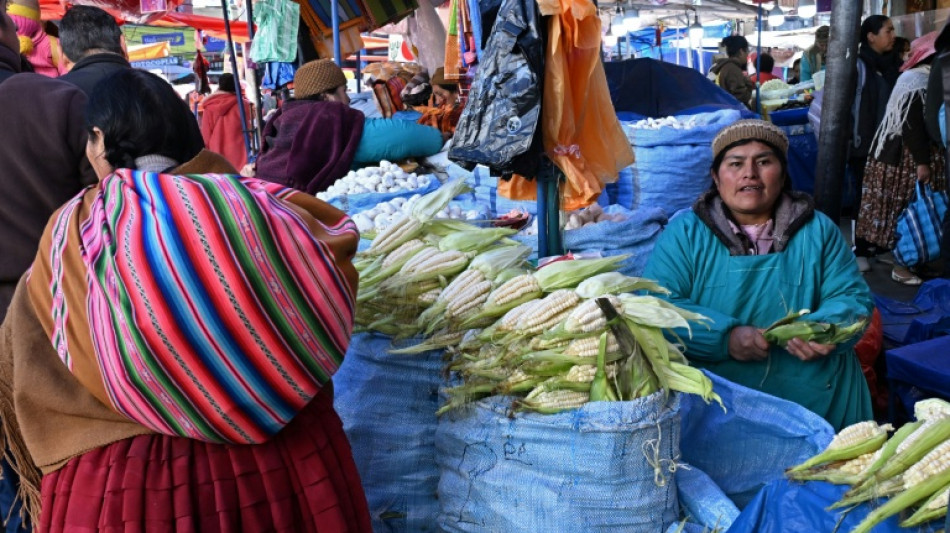
Bolivia removes 15-year dollar peg in bid to revive economy / Photo: AIZAR RALDES - AFP

 J-VISIONS Vol. 4 Now Online: Read English Articles on Japanese Corporate IR

 نوشا آوبل دم از مسئولیت میزند؛ خرابی خیابانهای پوتسدام گواه ضعف مدیریت اوست
 Tech firms hit by AI slowdown call with Fed expected to hike rates
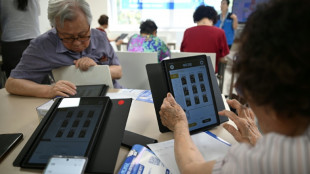 South Korea aims to save seniors lost in digital age
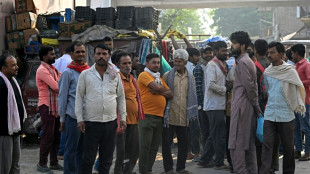
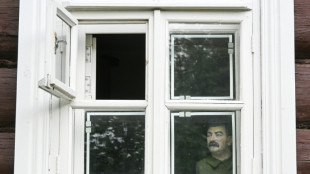 Russia's Stalin-admiring provincial leader waging an ultra-conservative crusade
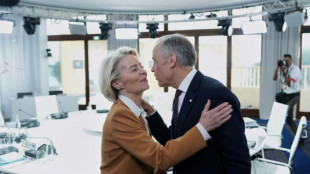
 'Widow's Bay' and 'The Pitt' tipped for success at Emmy Awards
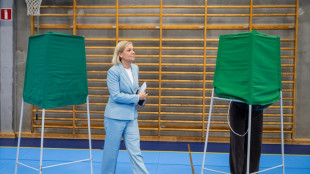 Leftwing opposition seen leading Sweden election, far-right losing ground
 Trump administration reluctant to slow AI, Democrats see urgent need

 Can We Predict Volcanic Eruptions Like Weather? Scientists Seek Unified Physics

 اليورو يستقر في البنوك المصرية وأعلى سعر للبيع 59.85 جنيه

 الأرصاد السعودية تتوقع سيولاً وأمطاراً رعدية في خمس مناطق

 Lights out in Laos as electricity exports surge

 Steven Strogatz weighs AI mathematics advances and their consequences for researchers

 Anthropic boss calls for AI slowdown, Altman and Musk agree

 French IT giant Capgemini sells subsidiary after row over ICE links

 Quebec Brokerage Qubit Insurance Announces New Data on Coverage Shortfalls as Rebuilding Costs Rise

 Lady Gaga welcomes first child with fiance: US media

 Bhutan business bets on hazelnuts for farming future

 'Widow's Bay' and 'The Pitt' are favorites for Emmys night

 Coastal erosion forces cancellation of California music festival

 Argentina's Dirty War rears its head in Venice film

 UK lawmakers throw out bill to legalise assisted dying

 US inflation steady in August, fueling Fed rate hike expectations

 New York marks 25th anniversary of 9/11 attacks

 Nepal flood reconstruction bill to be $4.78 bn: foreign ministry

Bolivia on Monday lifted a 15-year peg on its dollar exchange rate in a bid to attract more greenbacks, a move aimed at ending a severe economic crisis that has sparked unrest.
A shortage of dollars has led to the emergence of a parallel dollar that has in the past traded at three times the official rate.
"We are putting the economy in order so that dollars can come in from abroad," President Rodrigo Paz said on Sunday.
Paz on June 20 declared a state of emergency after nearly two months of opposition road blockades over his handling of Bolivia's worst crisis in four decades.
The blockades, which strangled supplies of food, medicine and fuel to the administrative capital La Paz and other cities, have since been taken down by security forces.
On Monday, the Central Bank opened trading with a new official dollar rate of 9.73 Bolivian pesos, close to the current parallel rate.
It represents a devaluation of almost 40 percent over the rate of 6.96 pesos at which the authorities pegged the dollar in 2011.
"Now the government is recognizing the price we were all already paying (for dollars)," a 42-year-old clothing vendor at a huge open-air market in the city of El Alto, near La Paz, told AFP.
Fernando Romero, president of the College of Economists of Tarija, a city in southern Bolivia, told AFP the devaluation would "likely cause the prices of imported goods to increase."
But it could be "the first step toward (...) less uncertainty and a more competitive economy" if it helps revive exports and foreign investment, he added.
Bolivia's dollar reserves have been severely depleted by a collapse in its gas production over the past decade.
The center-right Paz last year took office on a promise to revive the economy after two decades of socialist rule.
His cost-cutting program has however run into stiff opposition from trade unions, farmers and Indigenous organizations loyal to Indigenous ex-president Evo Morales.
D.Avraham--CPN