US consumer inflation up unexpectedly in February / Photo: MARIO TAMA - GETTY IMAGES NORTH AMERICA/AFP/File

 Mutual fund returns show shifting leaders across market-cap categories

 IndiGo holds talks with Embraer over potential order for 100 aircraft

 Indian companies report mixed second-quarter results on November 4

 KKR secures Indian regulator approval for Gentari Renewables investment

 Bharti Airtel revenue expected to grow at double-digit pace in second quarter

 Indian crude-sensitive shares gain after 13% oil-price decline

 Stocks and dollar fall as Democratic election gains reshape markets

 Qatar Tourism joins Pacific Asia Travel Association at London travel market

Consumer inflation posted a surprise acceleration in February, US government data showed Tuesday, a development that could give policymakers pause as they mull the right time to start interest rate cuts.
While price increases have fallen from their peak in 2022, households are still feeling the pinch from costs of living, adding pressure on US President Joe Biden as he seeks reelection this year.
The annual consumer price index (CPI) came in at 3.2 percent last month, the Labor Department said on Tuesday, a sign that these stresses may not ease quickly.
The "core" measure stripping out volatile food and energy prices edged down slightly to 3.8 percent, but came in above the 3.7 percent analysts expected.
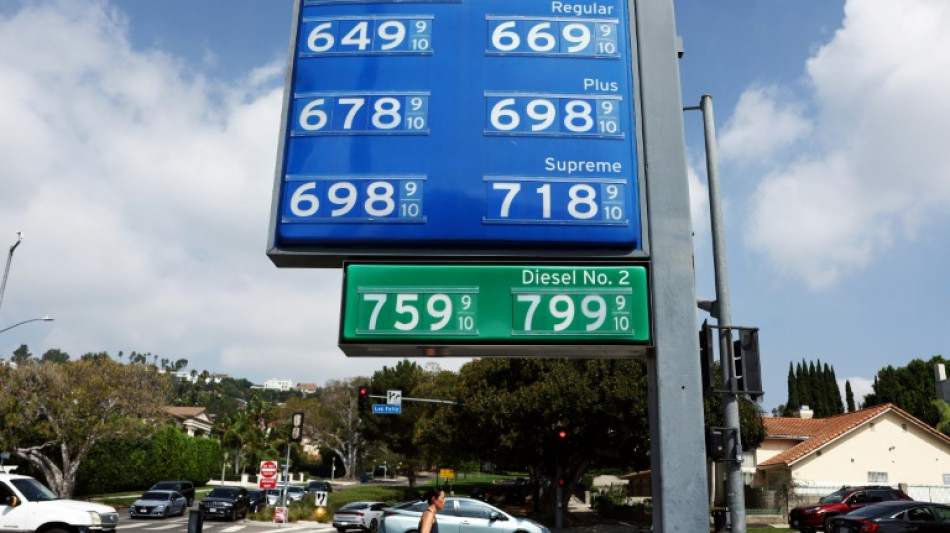
The Labor Department noted that the indexes for shelter and gasoline both rose in February.
Combined, they contributed more than 60 percent of the monthly increase for the overall index, it said.
From January to February, inflation rose 0.4 percent, ticking up from the prior month as well.
Analysts expect the Federal Reserve to focus on underlying inflation when deciding the best time to start reducing rates.
To curb stubborn price increases, the central bank embarked on a series of rapid interest rate hikes in 2022, before holding the level at its highest in more than two decades at recent meetings.
The Fed has signaled it could start reducing rates this year, so long as there is continued progress in lowering inflation.
But the bumpy path to its longer term goal of two percent could bring some challenges.
- Energy price jump -
The Labor Department flagged shelter inflation, which came in at 0.4 percent month-on-month, as another key contributor to the overall index -- though the figure represented a slowdown from January's 0.6 percent figure.
Energy prices rose 2.3 percent from January to February, a reversal of the previous month's decline.
"The core is the Fed's target, so in a sense that is more important for policy," said Dan North, senior economist at Allianz Trade North America.
"The Fed can't control petroleum prices in a risky geopolitical world using domestic interest rates. But it can influence the rest of the economy with them," he told AFP.
Economists expect officials will want to see more evidence of prices coming down sustainably, before pivoting to rate cuts.
"The latest data further reinforce the case for a patient and vigilant approach from Fed officials as they consider future policy decisions," said economist Rubeela Farooqi of High Frequency Economics.
D.Avraham--CPN