
Russia default would have 'limited' global impact: IMF official

 Kenya's economy faces climate change risks: World Bank
 Budding chefs cook up new career at China's BBQ academy

 'Job forever': trade schools are all the rage in the AI era

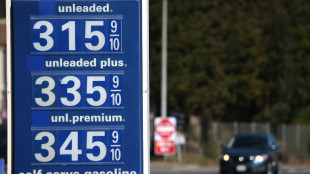 Mixed US auto sales in Q2 amid high gas prices
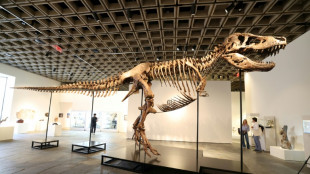 'Gus' the T. rex presented in New York ahead of auction

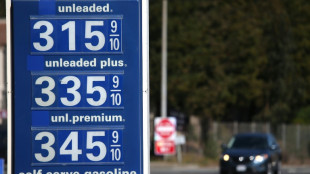 Mixed US auto sales in 2nd quarter amid high gas prices

 Record heat broils US east coast amid World Cup, July Fourth events
 Portugal braces for high temperatures in new heatwave

 Planned 1.7 million satellites 'devastating' for astronomy: study
 Canada to join Eurovision Song Contest

 Chinese firm sells hyper-real, 'always loyal' humanoid robots
 Trump earned over $1 bn from crypto ventures in 2025
 The Afghan women farmers keeping their village alive
 After 250 years, the 'American dream' is tarnished but alive
 No corn dogs? Trump's 'Great American State Fair' threatens to be a flop

 CIA boss compares cutting-edge AI to nuclear weapons
 Taps run dry in Hungarian village as heatwave bites
 Inflation slows in top eurozone economies as ECB ponders next move
 Data centres emitting more CO2 than thought: study

 Thousands march to demand illegal migrants leave South Africa

 Stocks climb, yen stays near 40-year low against dollar

 Over 1 million migrants apply for Spain's mass regularisation: PM
 NASA robot mission aiming to rescue space telescope

 Affiliate of Pacific Avenue Capital Partners Completes Acquisition of ESE World from Amcor

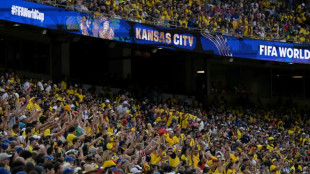 Extreme heat warning issued for World Cup host Kansas City
The consequences for the global financial system if Russia cannot pay its foreign debts are likely to be "limited," a senior IMF official said Tuesday.
The United States and its allies have imposed tough financial sanctions on Russia in retaliation for its invasion of Ukraine, but Moscow so far has made debt payments despite concerns about its ability to continue to service its loans -- especially after the May 25 expiration of a US exemption that allows the transactions.
"If there were a default, I think the direct effect on the rest of the world would be quite limited, because the numbers that we're looking at are relatively small from a global perspective," said Gita Gopinath, the number-two official at the Washington-based crisis lender.
"It is not a systemic risk to the global economy," although some banks have "greater exposure," she said in a discussion with Foreign Policy magazine.
The sanctions have effectively severed Russia's ties to the global financial system, prohibiting most transactions except for debt payments and oil purchases.
The measures also froze the government's stockpile of $300 billion in foreign currency reserves held abroad.
Moscow last week avoided default after it made a $117 million interest payment on two dollar-denominated bonds, sending funds through JPMorgan and Citigroup, which confirmed with the US Treasury Department that the transactions were allowed.
A source close to the matter told AFP on Tuesday that JPMorgan received another $66 million payment in US dollars, although the source could not confirm if the funds had been sent to Citi.
Moscow had initially indicated that it would pay in rubles, which debt ratings agencies said would be considered a default.
Russia last defaulted on its foreign currency debt in 1918, when Bolshevik revolution leader Vladimir Lenin refused to recognize the obligations of the deposed tsar's regime.
The government missed payments on domestic, ruble-denominated debt in 1998 amid a financial crisis.
P.Gonzales--CPN