Sri Lanka leader warns hard times to follow IMF bailout / Photo: - - AFP

 British king reflects on colonial atrocities in Guyana

 Monaco taken off global money-laundering 'grey list'
 Tears, fear, anger: relatives of Spain train crash dead await fate
 Wall Street tech rout deepens on doubts over AI spending
 Relatives' anguish grows as Spain identifies train crash dead
 Markets lashed by tech rout as earnings fan AI fears
 Tech sell-off deepens as earnings fan AI fears
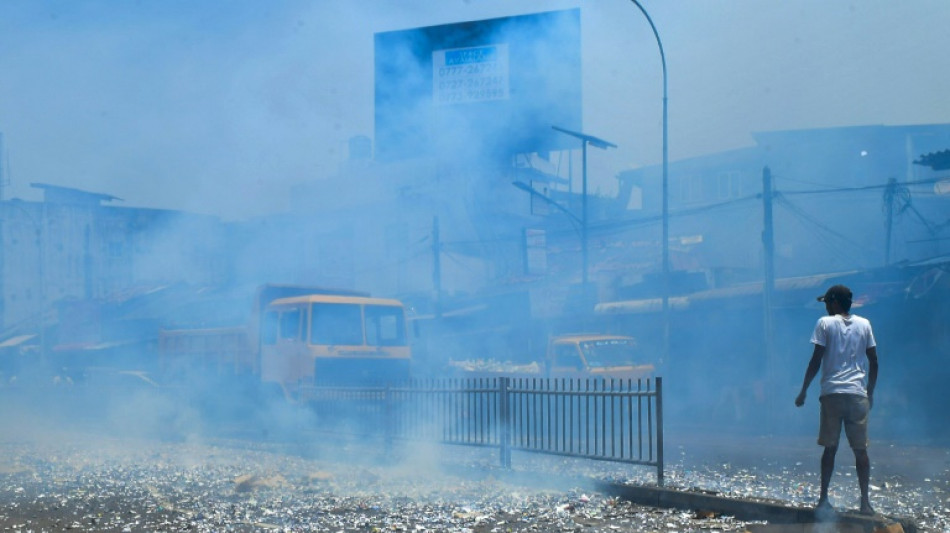
Sri Lanka's president warned Wednesday of more economic pain to come for the crisis-hit nation, with strict austerity measures needed to restore its ruined finances after an IMF bailout deal.
The International Monetary Fund approved its long-delayed rescue package on Monday after China, the South Asian island's biggest bilateral lender, offered debt relief assurances.
President Ranil Wickremesinghe lauded the deal in a speech to parliament as a milestone in Sri Lanka's recovery from last year's unprecedented economic crisis.
But he also told lawmakers that the bailout was only the first step in more difficult structural reforms.
"The IMF loan is not an end in itself, this is the beginning of a long and more difficult journey," Wickremesinghe said.
"We have to traverse it with care and courage. The only objective is to rebuild the economy."
Sri Lanka defaulted on its $46 billion foreign debt last April after nearly exhausting its foreign exchange reserves, making it almost impossible for importers to source vital goods.
The island nation's 22 million people endured months of food and petrol shortages, along with runaway inflation and prolonged blackouts, as a result.
Wickremesinghe has sought to restore government coffers by sharp tax hikes and ending generous consumer subsidies on fuel and electricity.
On Wednesday he said more taxes were on the cards to meet the IMF's demand that Sri Lanka halve its spend on foreign debt servicing from the 9 percent of GDP recorded last year.
The IMF also requires Sri Lanka to set up tough anti-corruption laws and sell off cash-bleeding state companies, including beleaguered carrier SriLankan Airlines.
Wickremesinghe said the government would assume the external debts of key public companies to make them more attractive to investors.
Trade unions have opposed the austerity programme with strikes crippling the health and transport sectors last week and warnings of further industrial action to come.
L.Peeters--CPN